Hachinohe, a Coastal City Filled with Food, Fun, History, and Culture
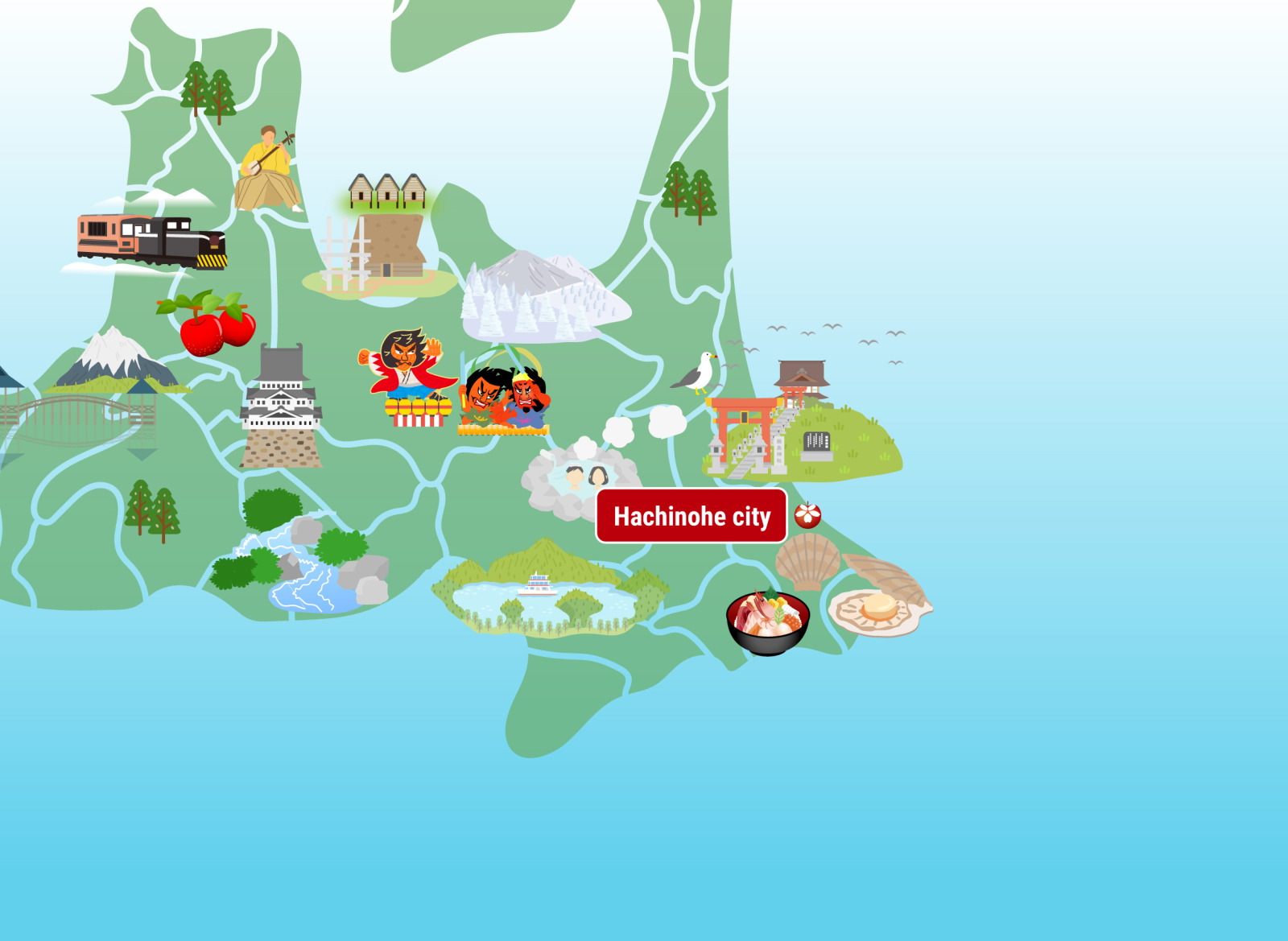
Hachinohe is Aomori Prefecture’s second largest city as well as the cultural and economic center of the eastern part of the prefecture, known as the Nambu region. The city’s location along the Pacific coast makes it a must-visit destination for lovers of fresh seafood and oceanside activities. It’s also an area of great archaeological significance and home to a rich variety of crafts and local industries. Read on to learn more about Hachinohe’s multitude of diverse attractions!
1. Outdoor Fun and Scenic Splendor in the Ocean Breeze
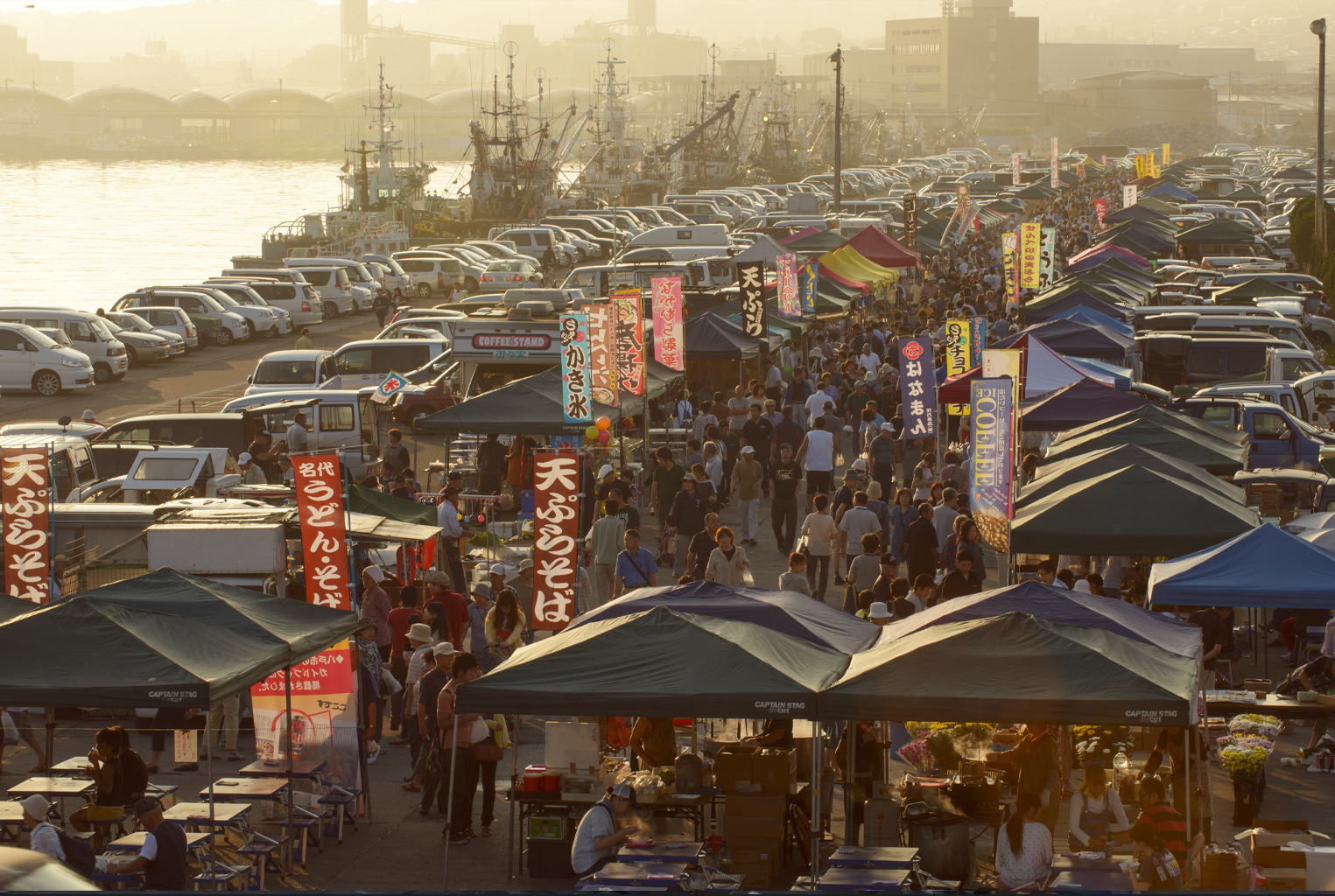
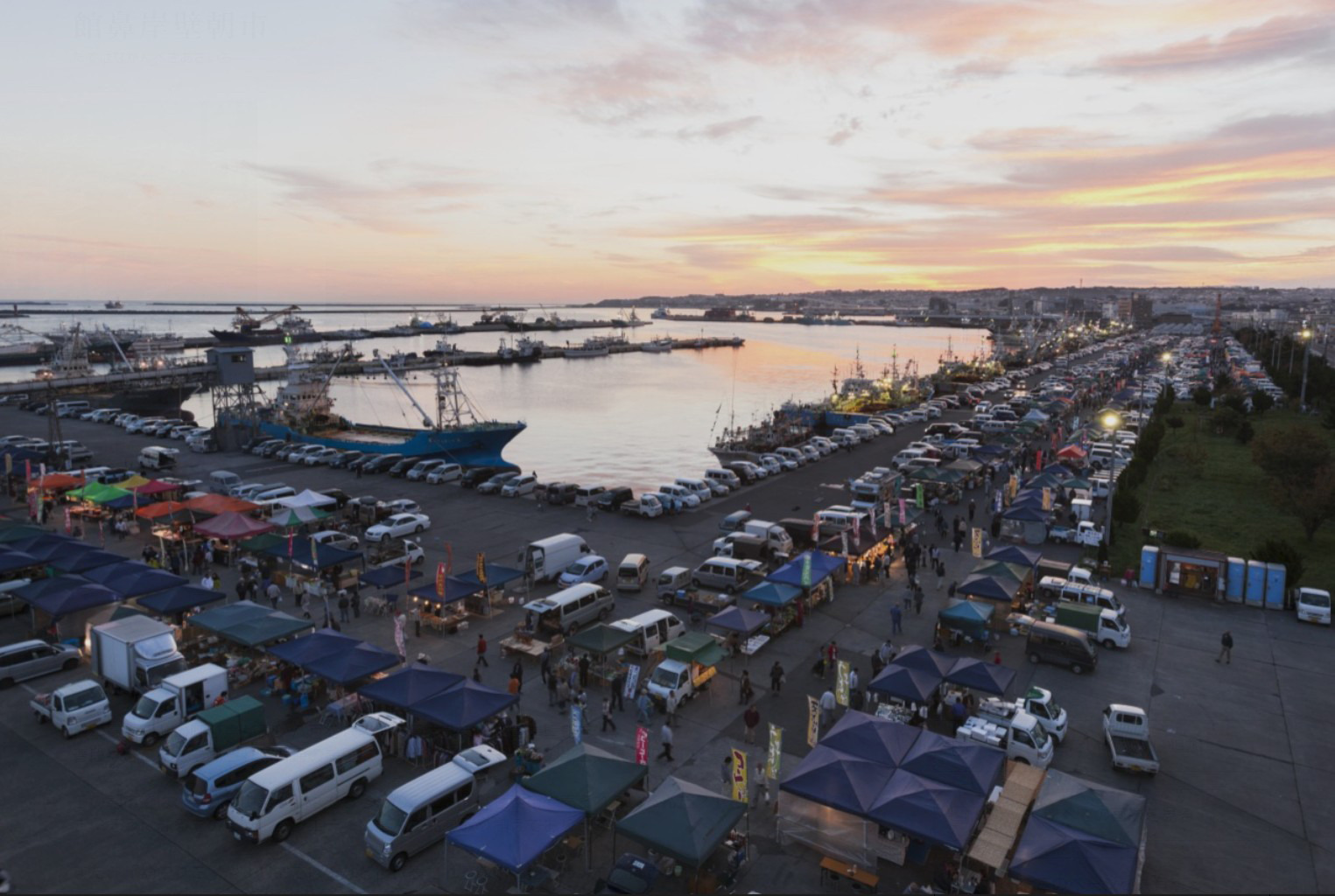
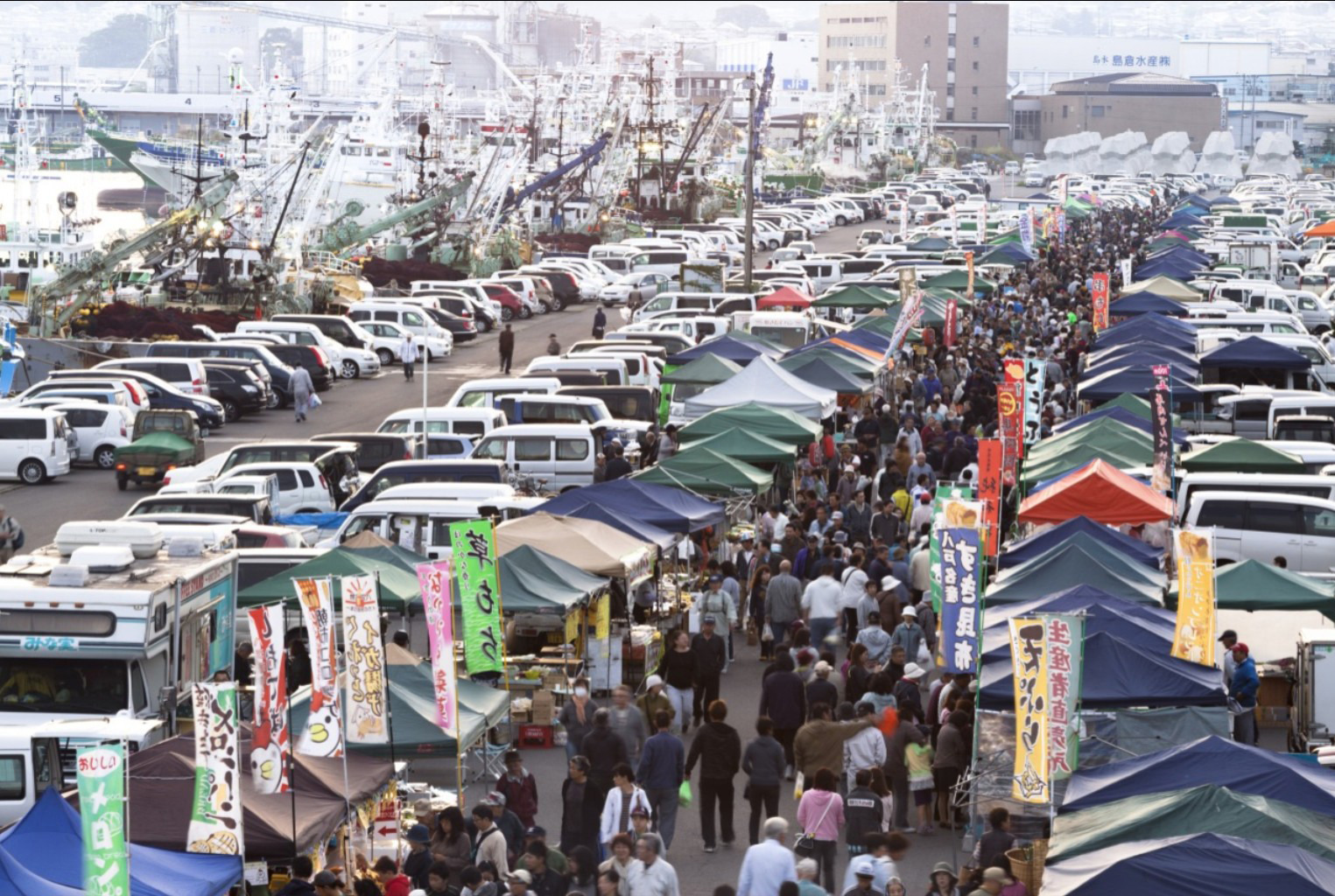
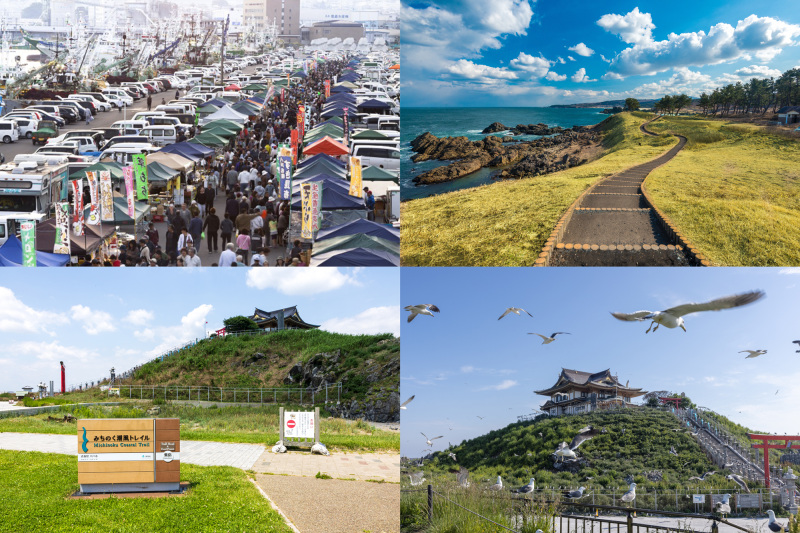
Hachinohe’s location along the Pacific Ocean makes it a city truly blessed by the bounty of the sea. On Sunday mornings from mid-March to December, the city’s harbor area hosts the bustling Tatehana Wharf Market, known as the largest morning market in all of Japan. Be sure to get there early to enjoy all the sights and sounds of the packed market selling incredibly fresh seafood, along with market specialties like gummy worms and salted chicken wings. Although the market was suspended during winter in previous years, in 2026, it has been specially continued through the winter season, bringing a flurry of energy to the normally quiet wharf in the chilly hours of the early morning. For information about future winter openings of the market, you can check the official website (in Japanese).
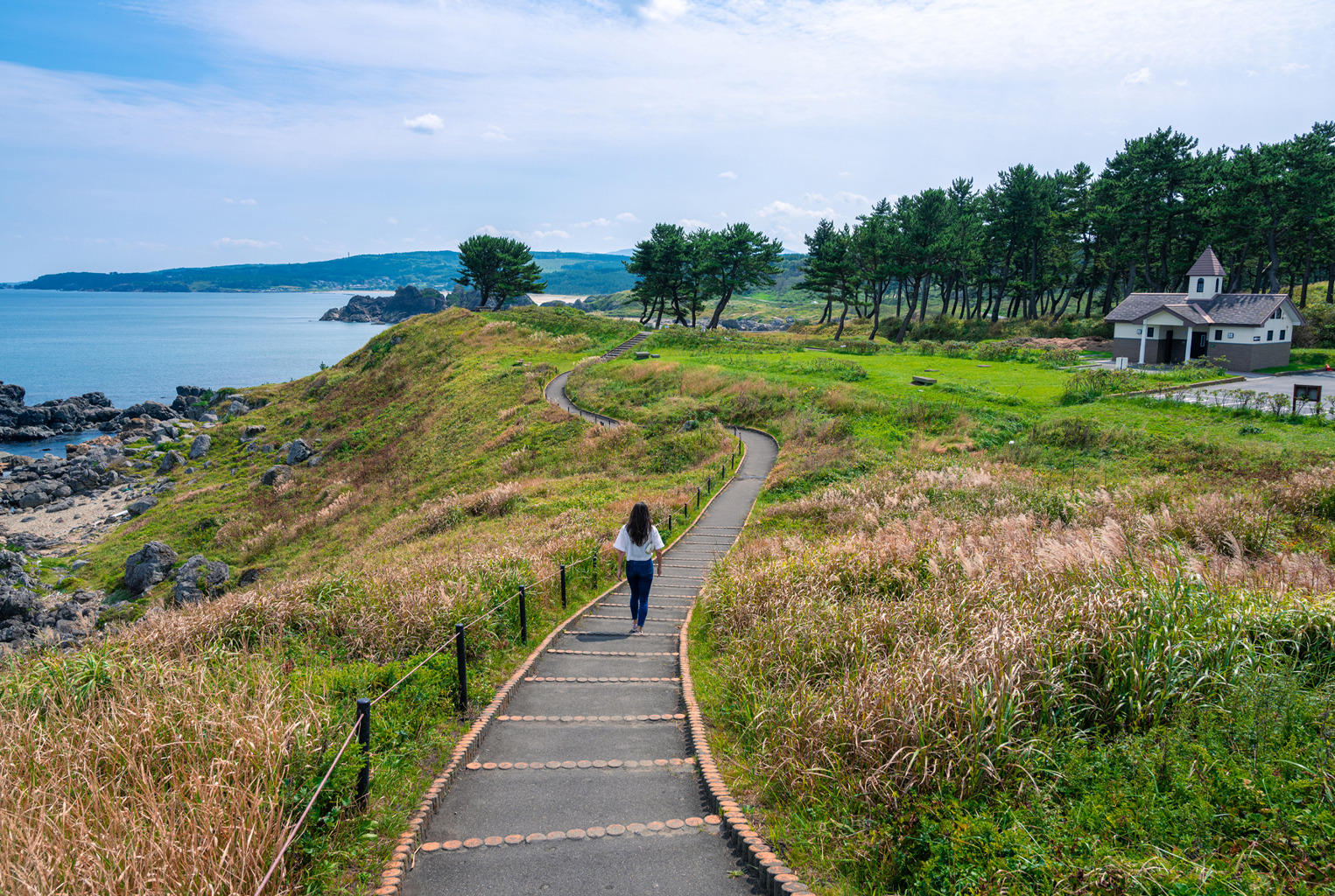
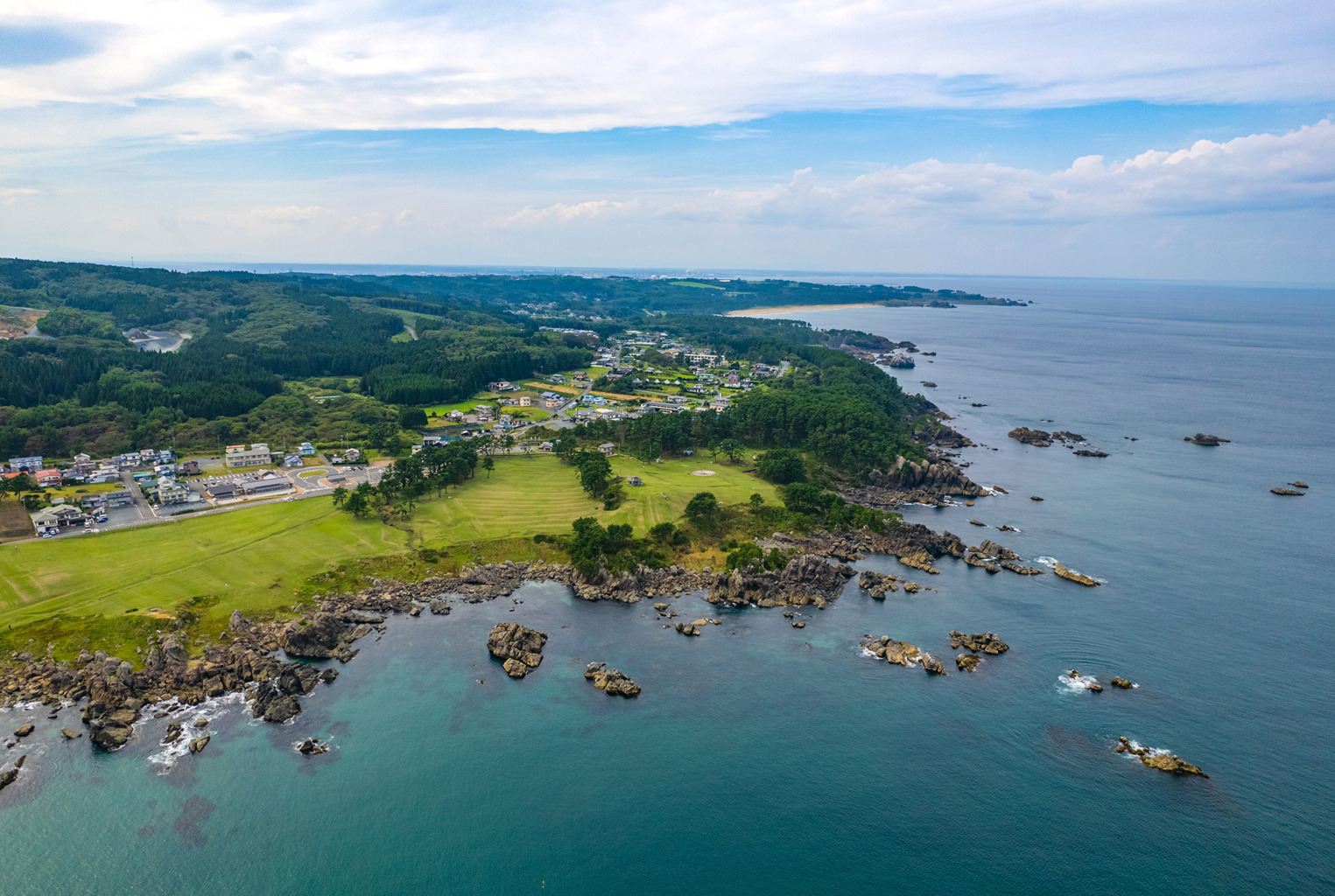
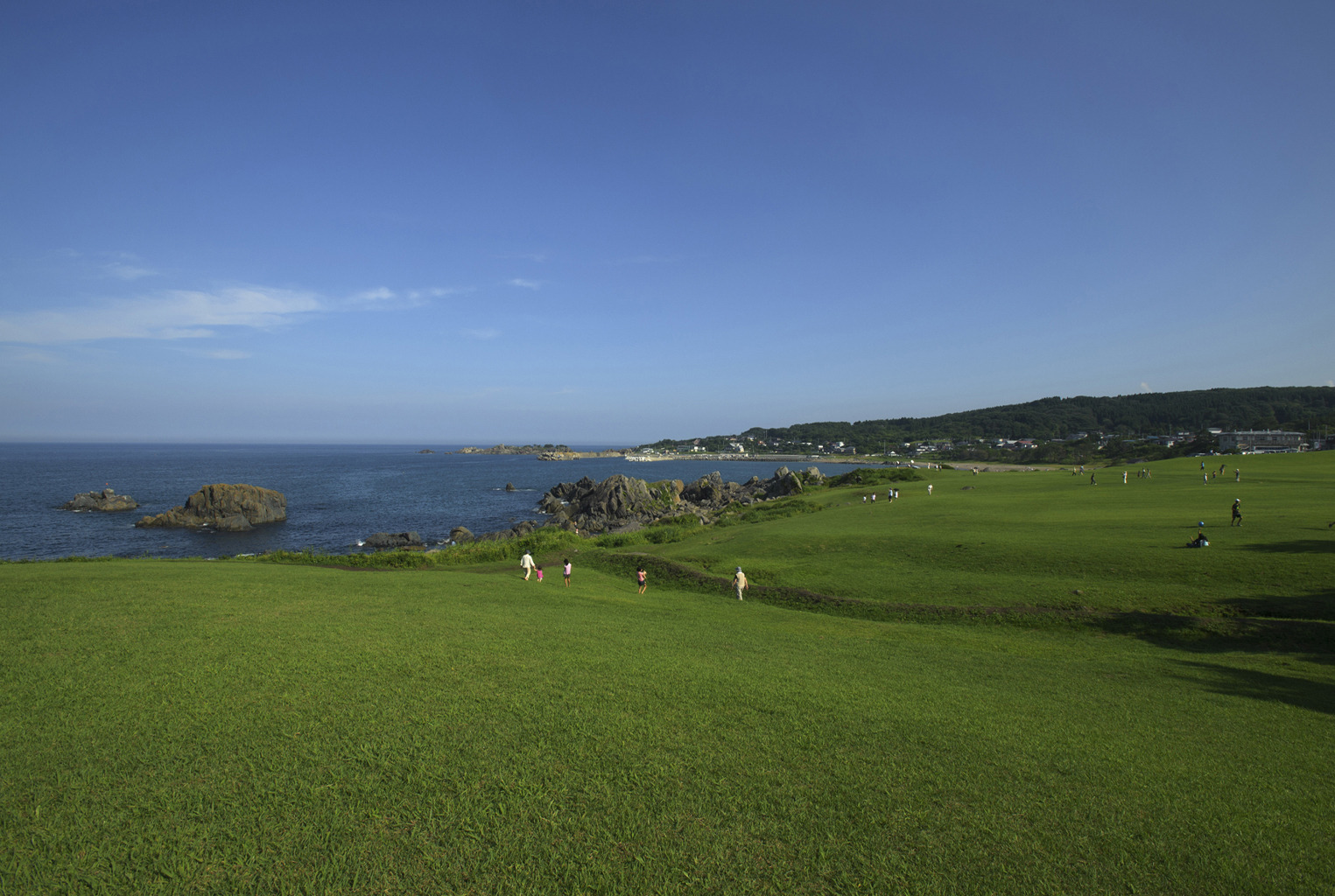
Meanwhile, just a short train ride from the city center, the Tanesashi Coast is a spectacularly scenic shoreline where locals and visitors alike enjoy a variety of outdoor activities including walking, cycling, swimming, surfing, and camping. The Michinoku Coastal Trail, a long and well-maintained path that extends all the way to Soma City in Fukushima Prefecture, starts here. The trail was developed as a symbol of the region’s recovery from the 2011 Tohoku earthquake and tsunami, and the first twelve kilometers of the trail along the Tanesashi Coast are particularly recommended, as they are gentle without many hills, making them easy for even inexperienced hikers. The stunning and varied sights along the trail include beautiful rocky reefs blooming with seasonal flowers, a beach with rare “singing sand,” and a natural grass lawn stretching all the way to the water’s edge.
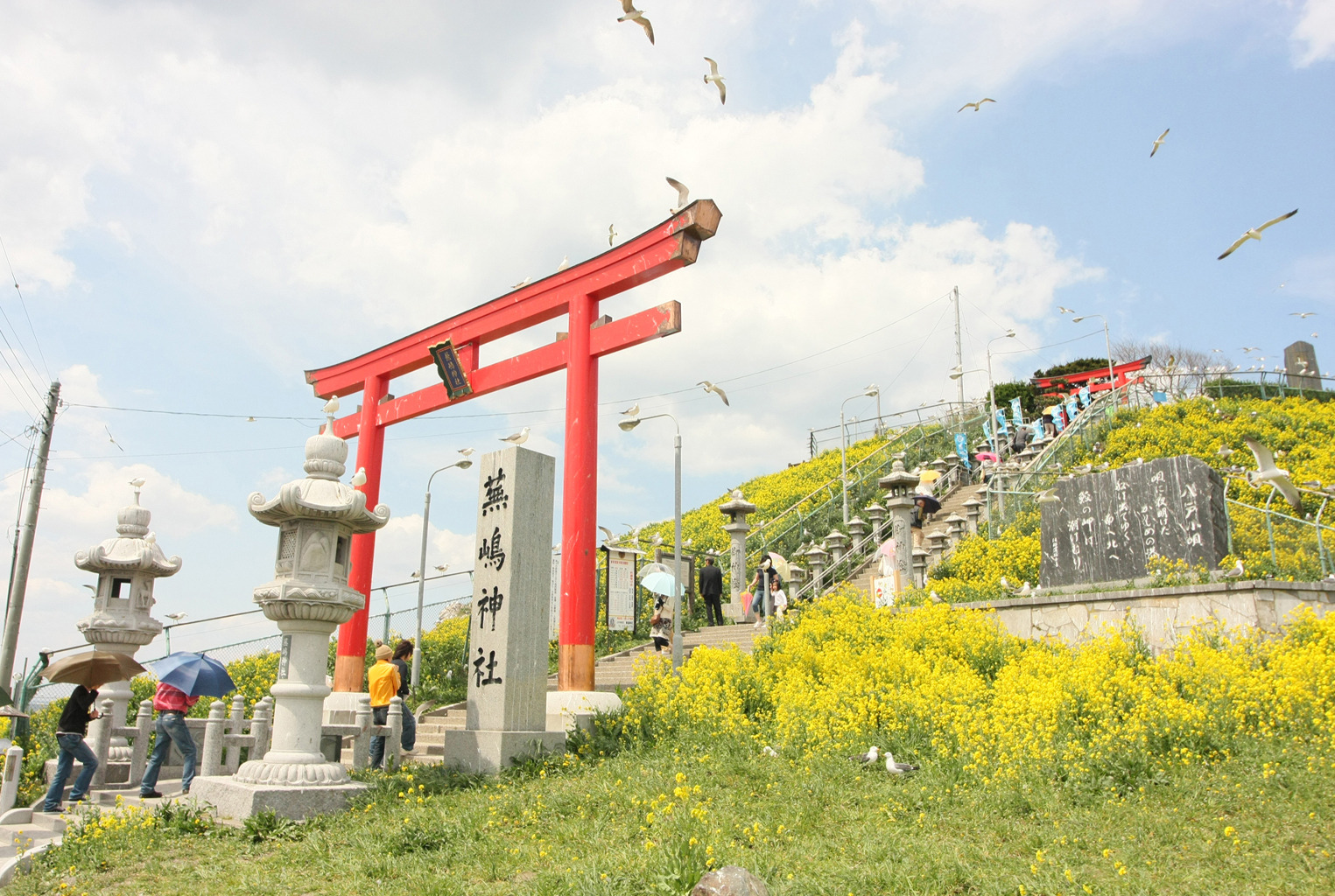
At Kabushima Island, the trail’s official starting point, the reddish orange torii gates of Kabushima Shrine stand out brilliantly against the blue of the sea and sky. The island is also famous as a nesting location for black-tailed gulls. It is easily accessible from JR Same Station, about 25 minutes by train from JR Hachinohe Station on the JR Hachinohe Line.
Outdoor Fun and Scenic Splendor in the Ocean Breeze
More information about the Tatehana Wharf Morning Market
More information about the Tanesashi Coast
2. A Paradise for Seafood and Sake Lovers
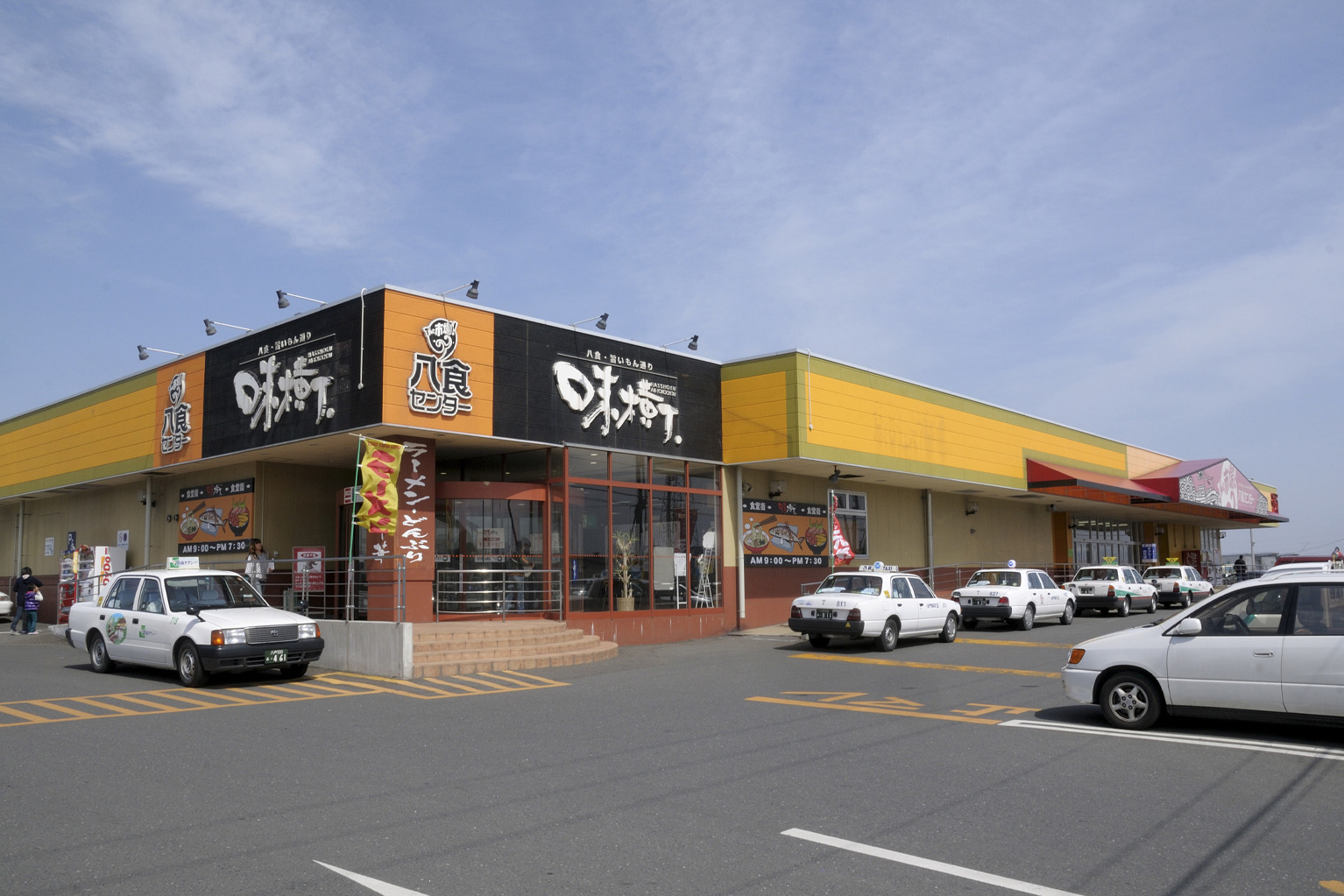
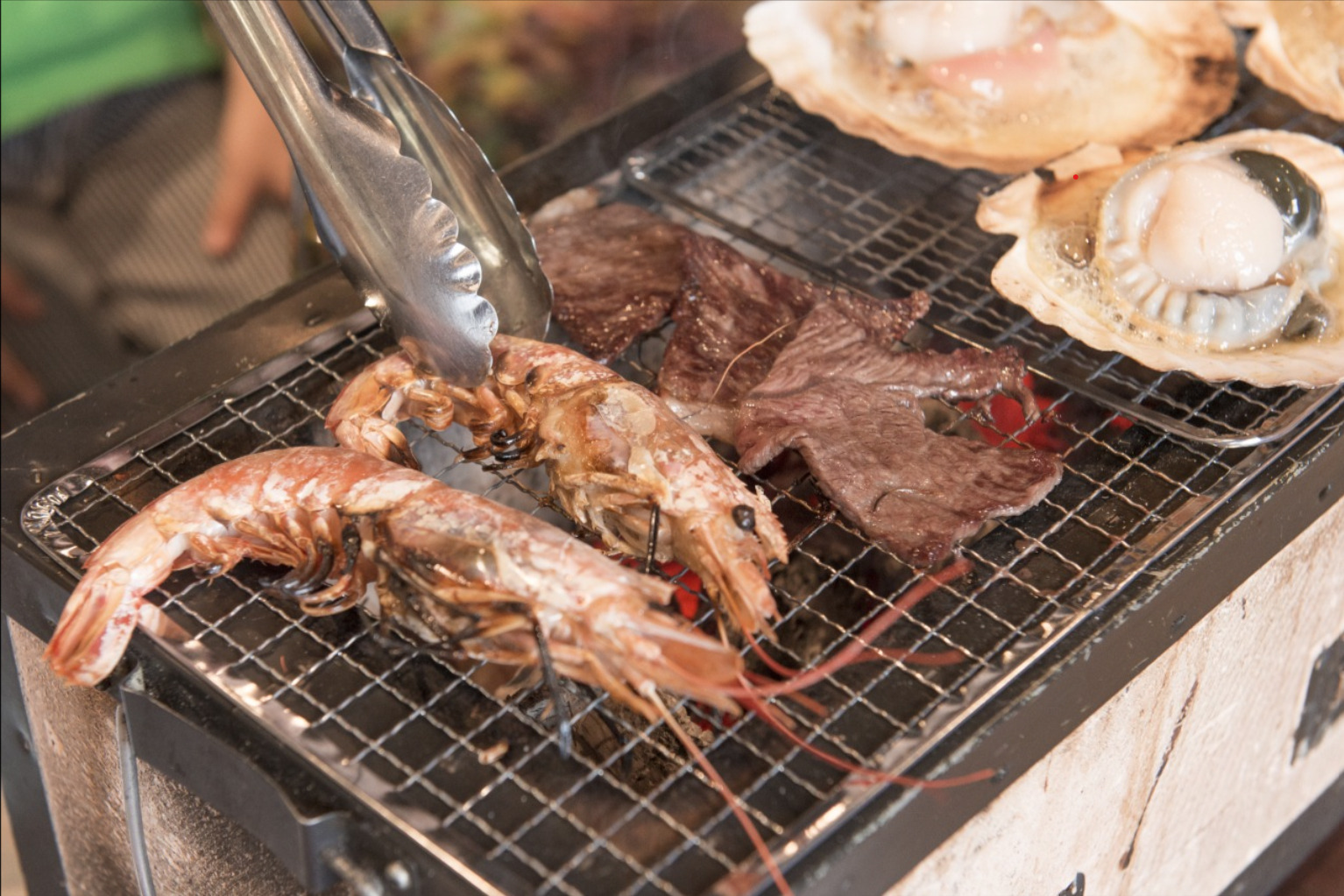
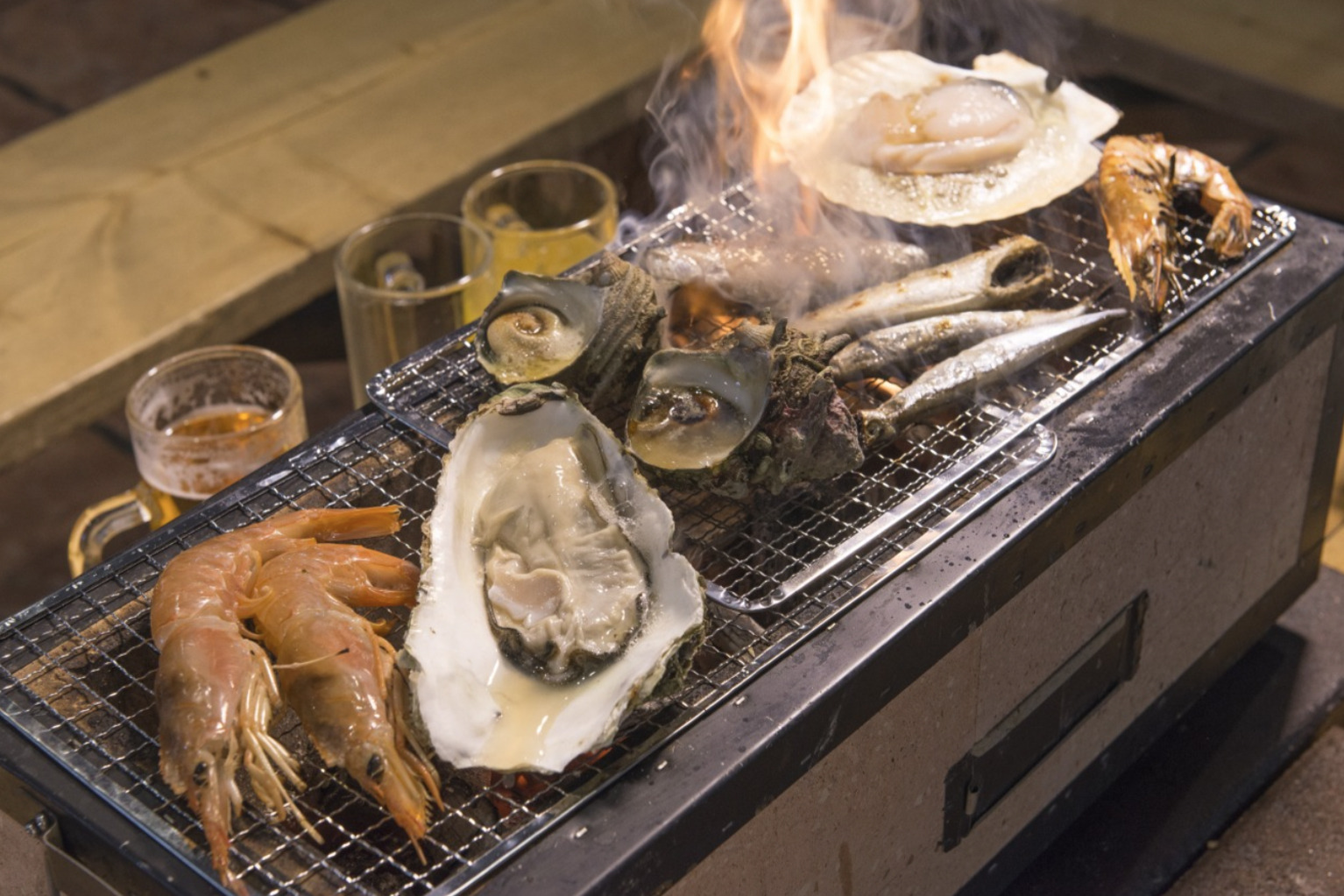
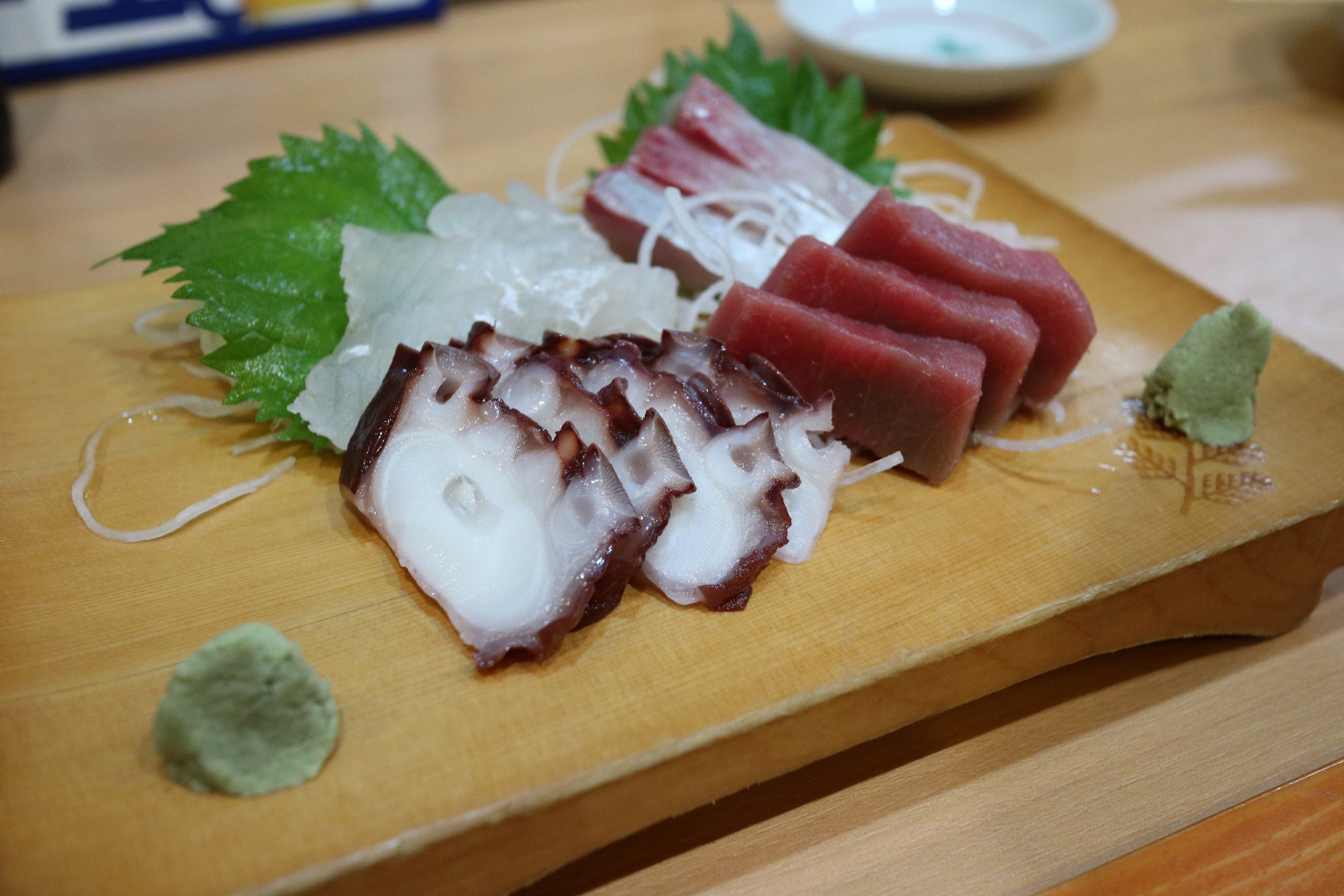
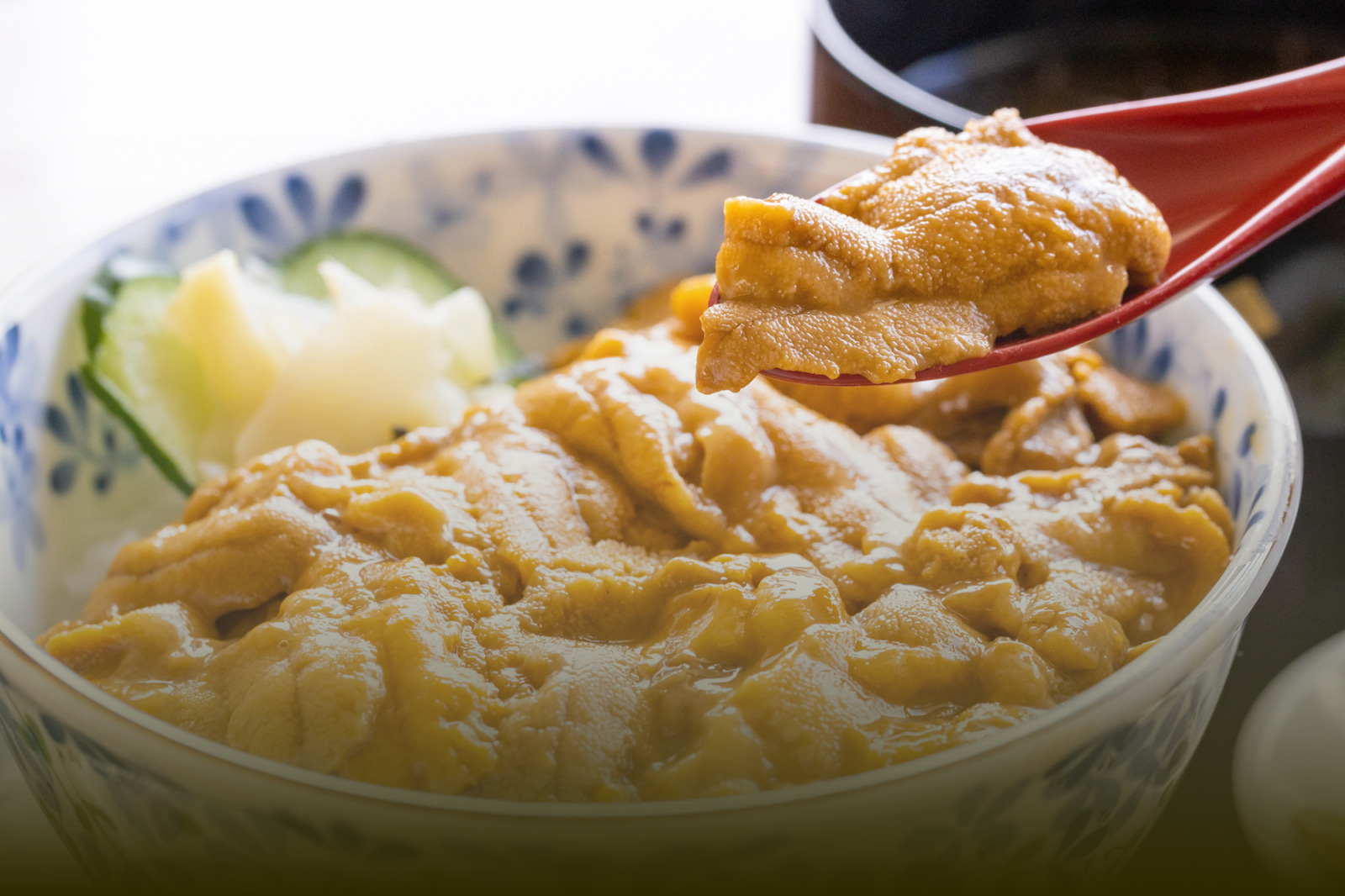
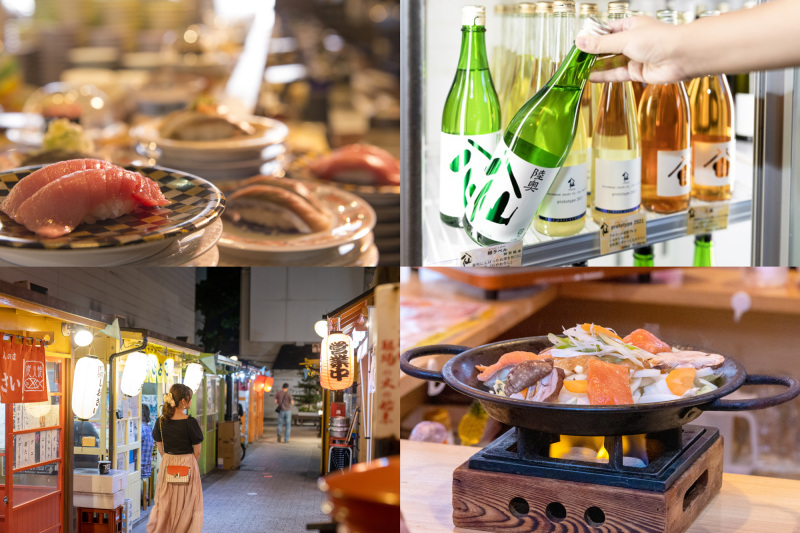
The port city of Hachinohe is a must-visit for fans of fresh seafood. A good place to start your epicurean adventure is Hasshoku Center, a huge marketplace packed with all kinds of seafood and other products that is like a veritable “theme park” for local food. Among its most popular attractions is the barbecue area “Shichirin-mura,” where you can rent a charcoal grill set to grill ingredients like fresh seafood and local wagyu beef yourself! Since it’s fully indoors, the barbecue experience can be enjoyed year-round safe from the elements.
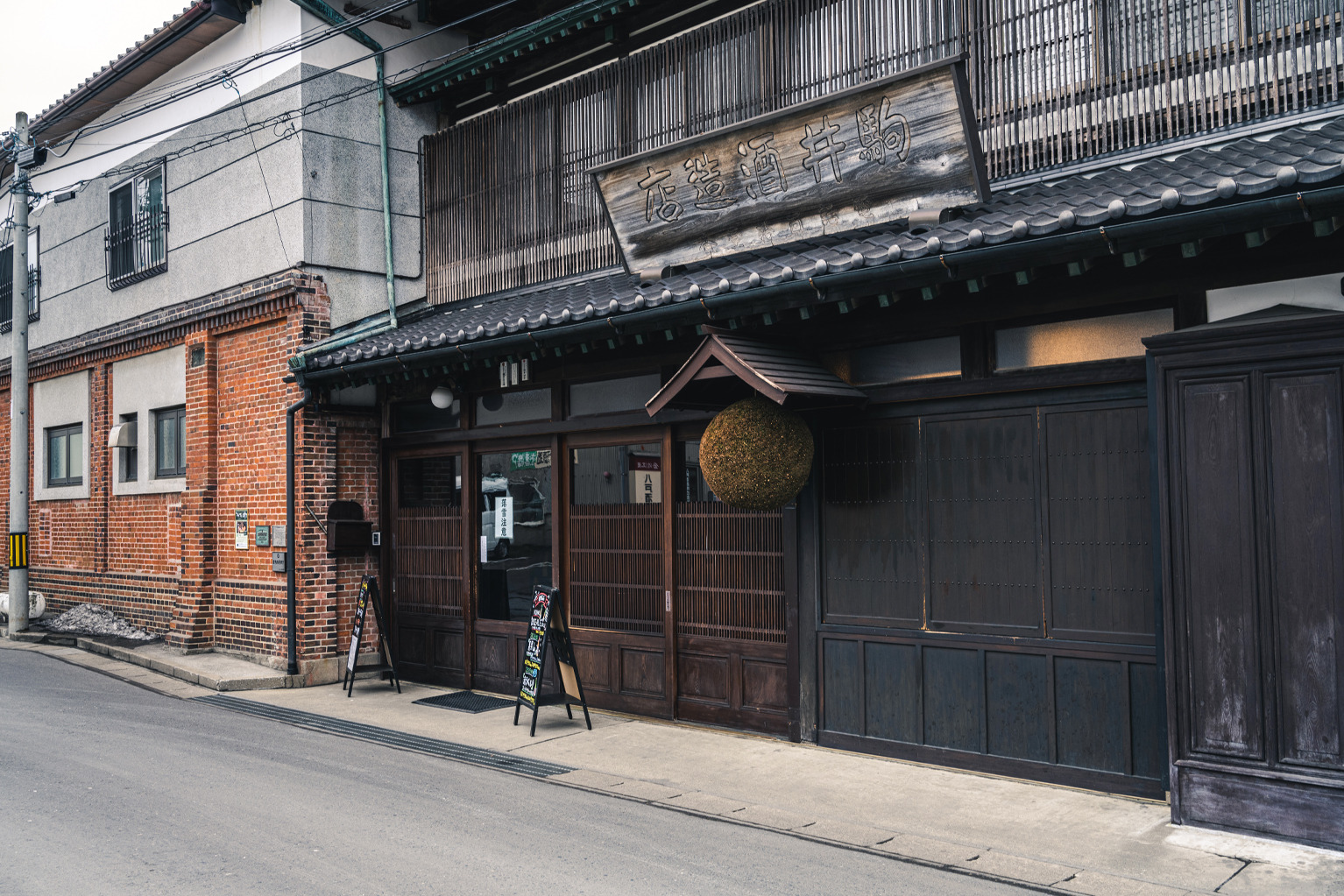
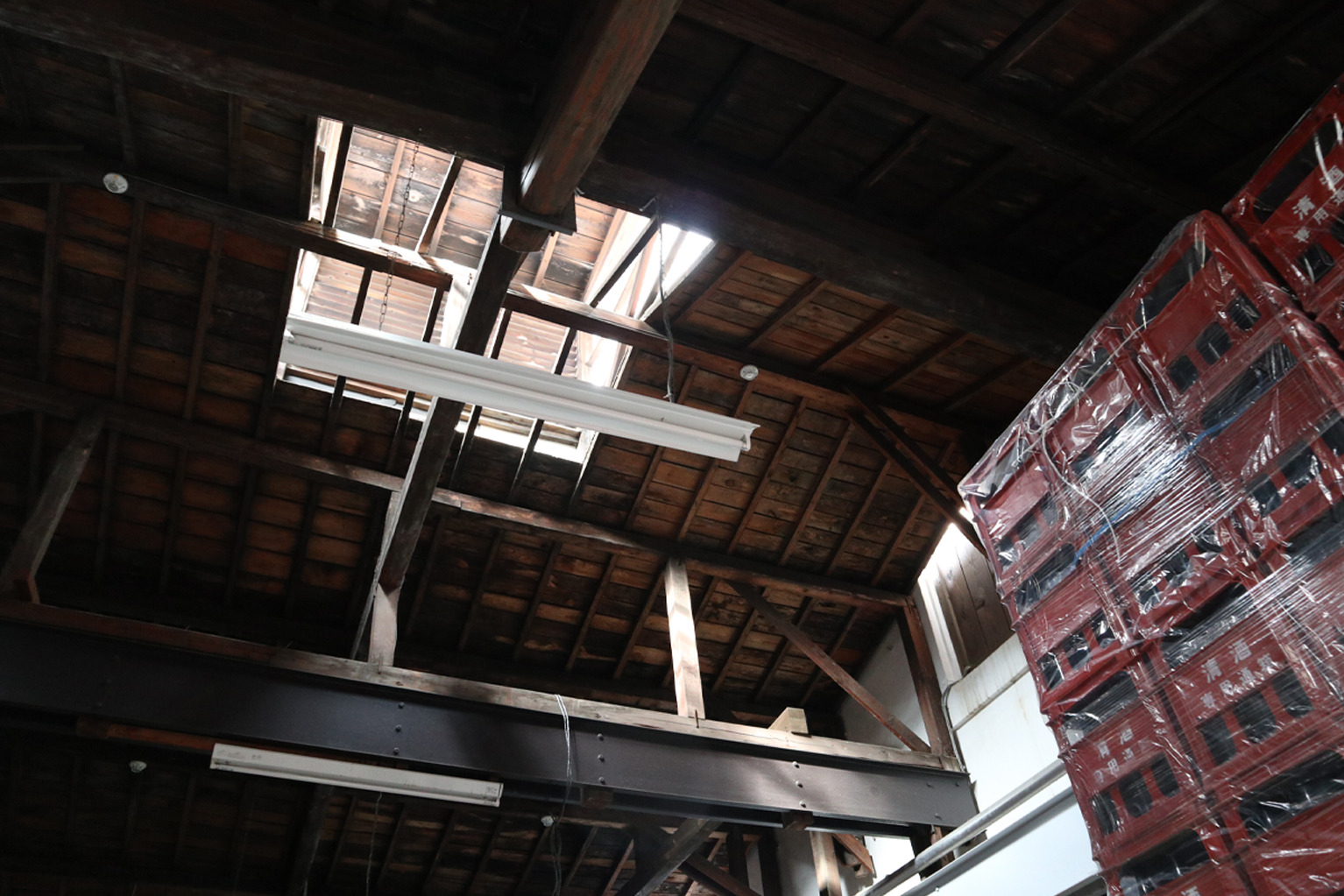
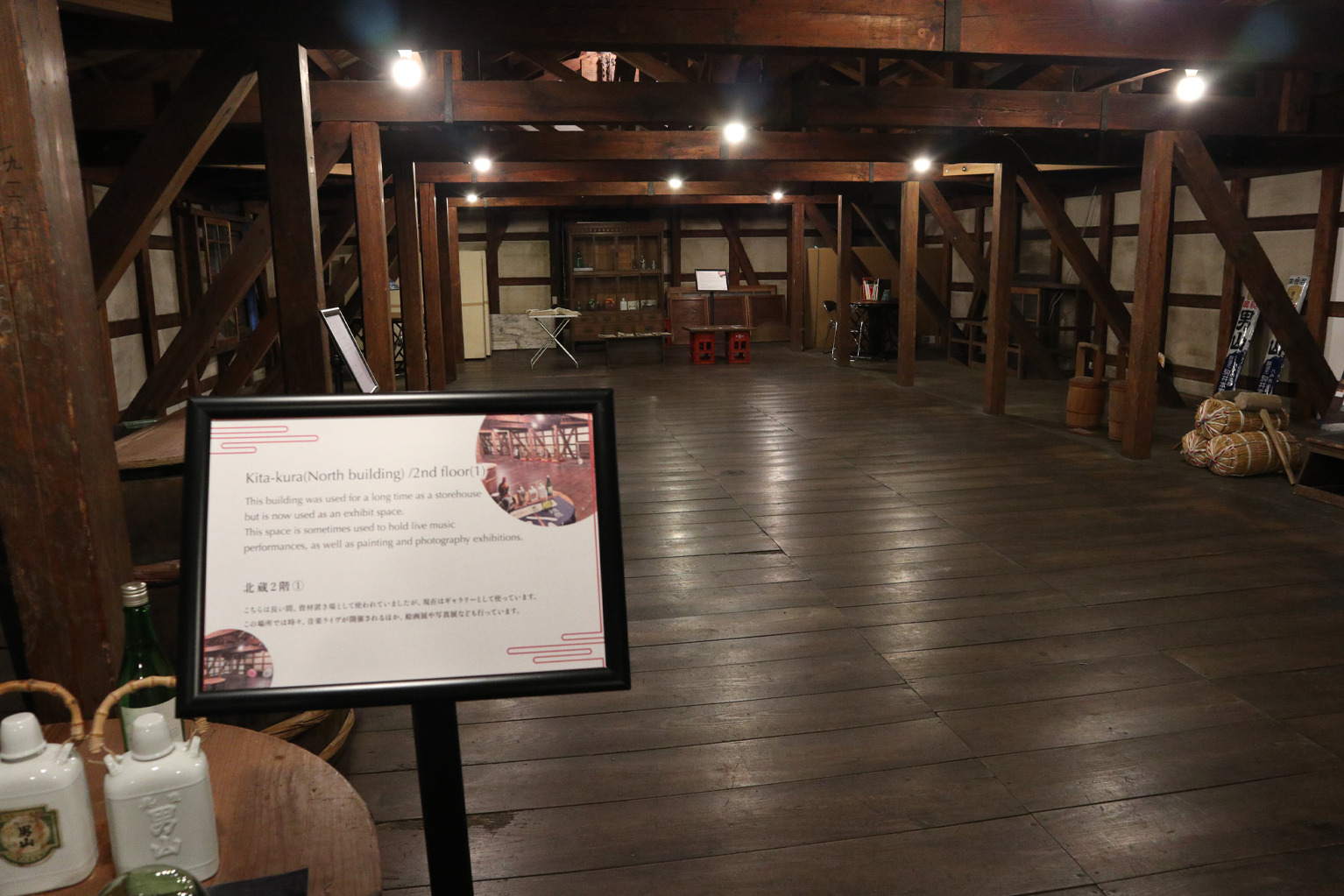
Hachinohe is also known for delicious sake. The city’s excellent breweries include the award-winning Hachinohe Shuzo, which was founded in 1775 and produces several brands of high-quality sake made with Aomori-grown organic rice. The brewery complex with its brick, wooden, and earthen buildings is a nationally designated cultural property. In addition to tasting sessions at the tasting counter, brewery tours are available upon reservation for a fee.
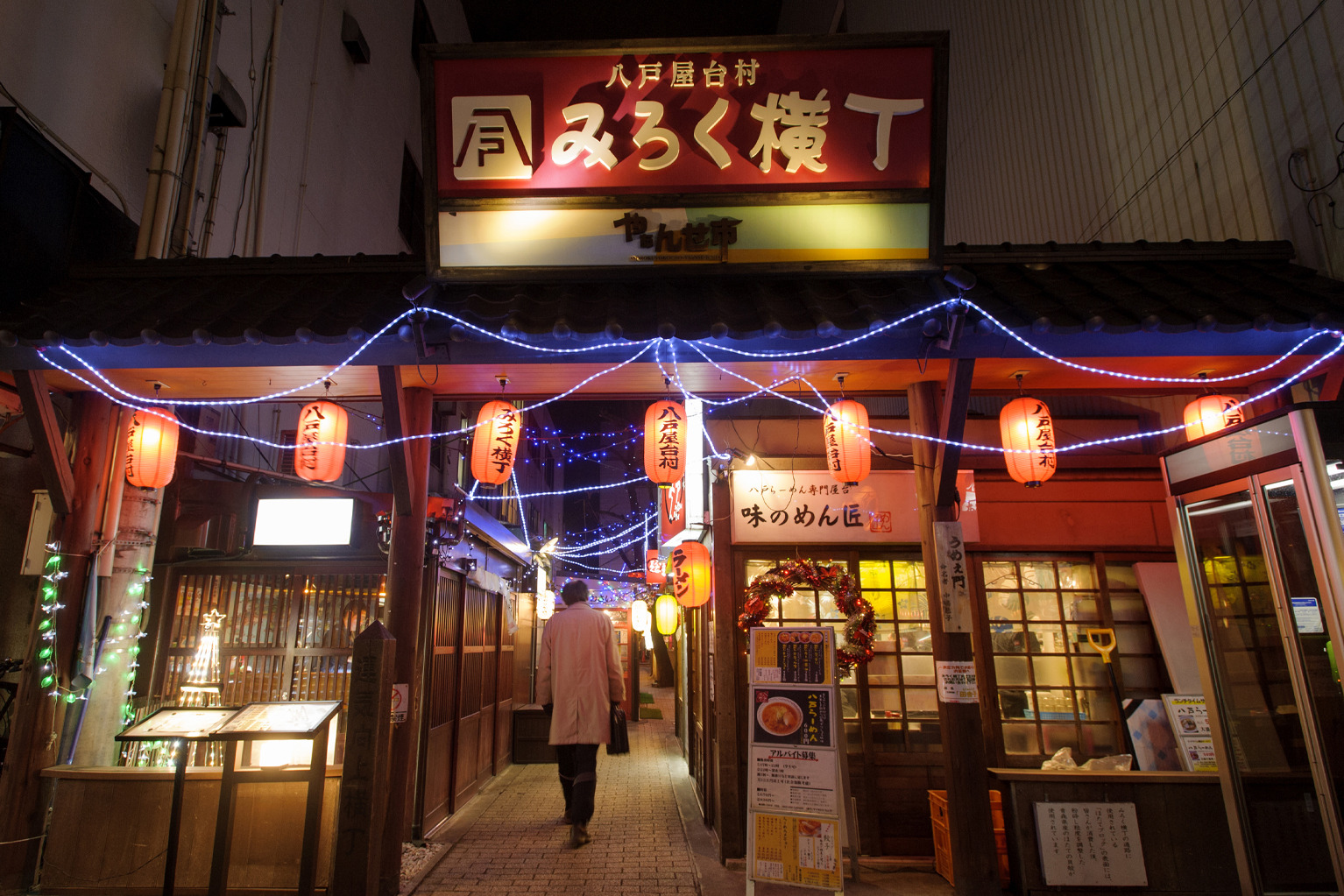
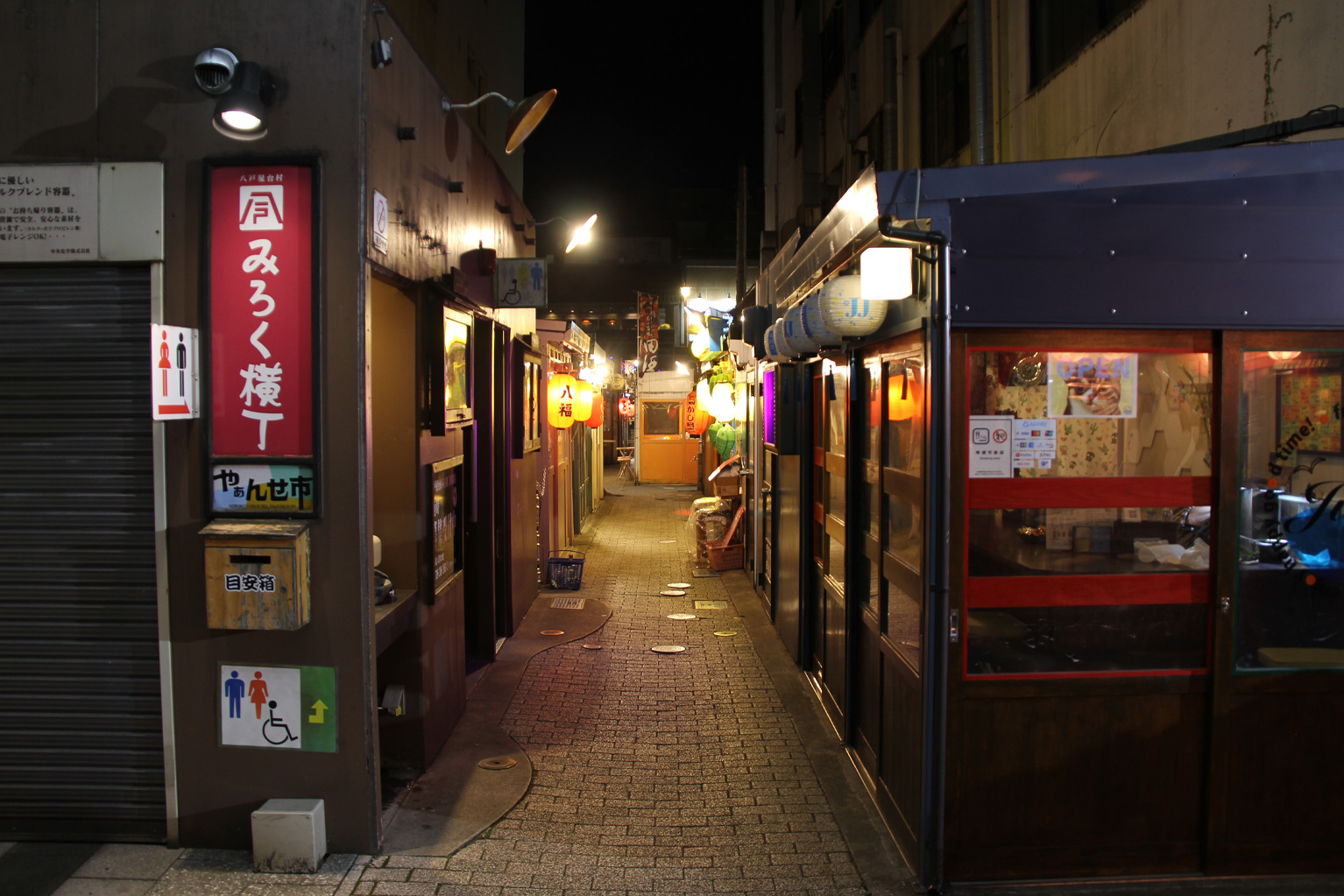
If you want to sample both local foods and drinks while also engaging in warm conversation with local people, why not explore Hachinohe’s yokocho (drinking alley) culture? In the city center near JR Hon-Hachinohe Station, various drinking alleys crisscross one another starting with Miroku Yokocho, a small area packed with about 26 food stalls. Each stall accommodates roughly eight patrons, creating a cozy atmosphere. Stall-hopping from one establishment to another allows you to enjoy a variety of cuisines and ambiences, and even if you don’t speak Japanese, friendly locals are sure to show you the warm hospitality of this hearty northern region.
A Paradise for Seafood and Sake Lovers
3. Exploring Hachinohe’s Art, History, and Culture
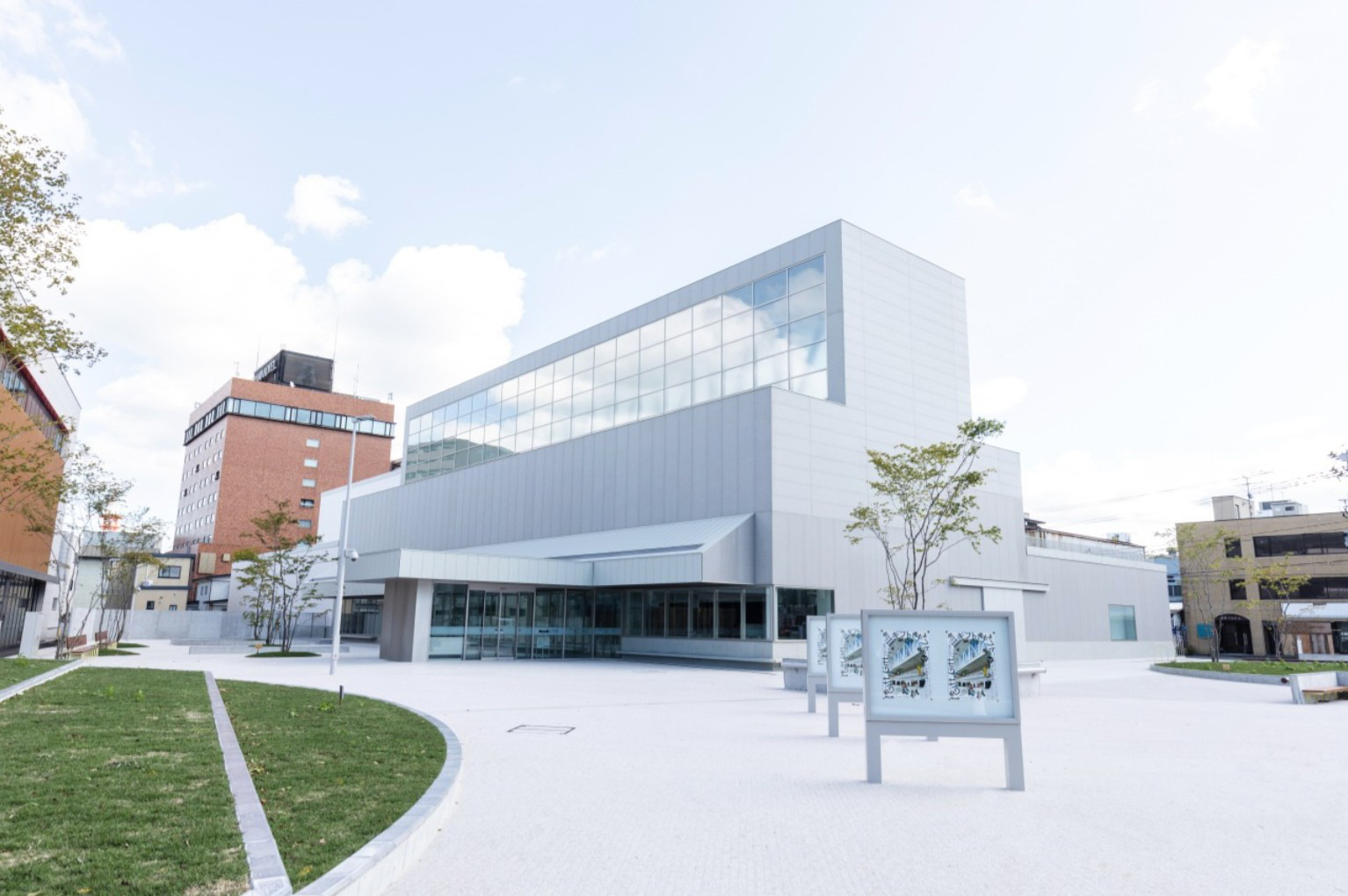
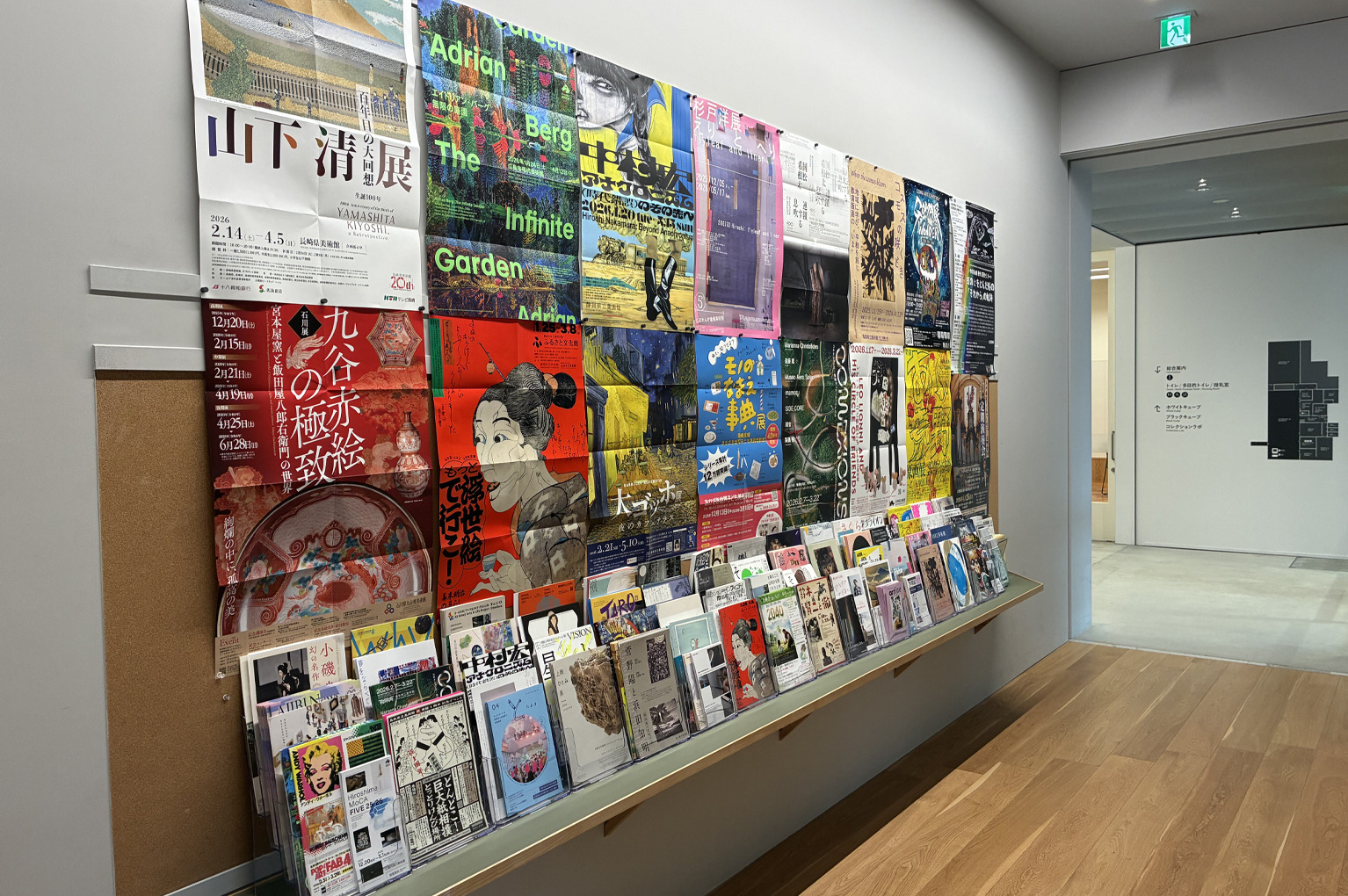
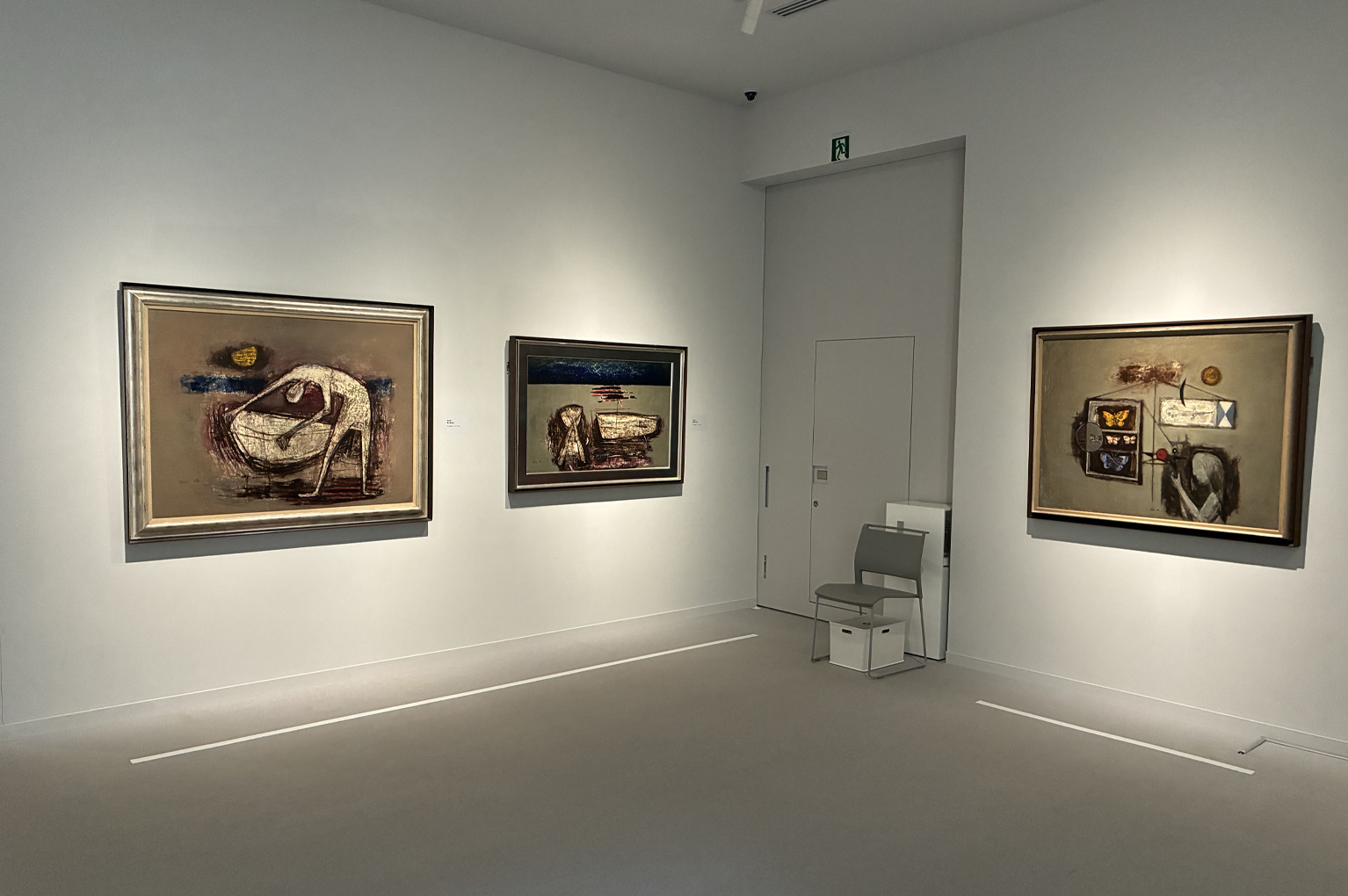
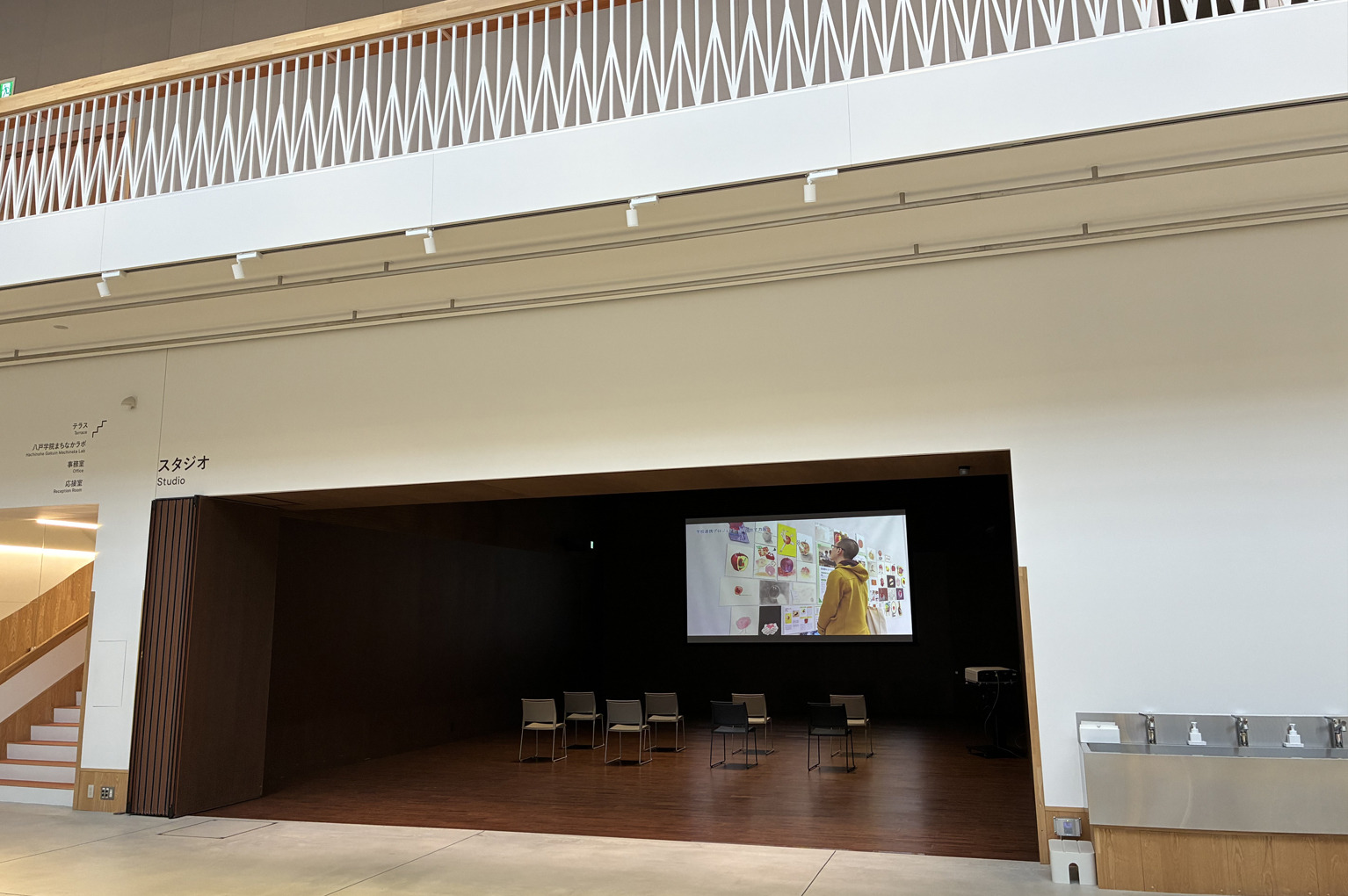
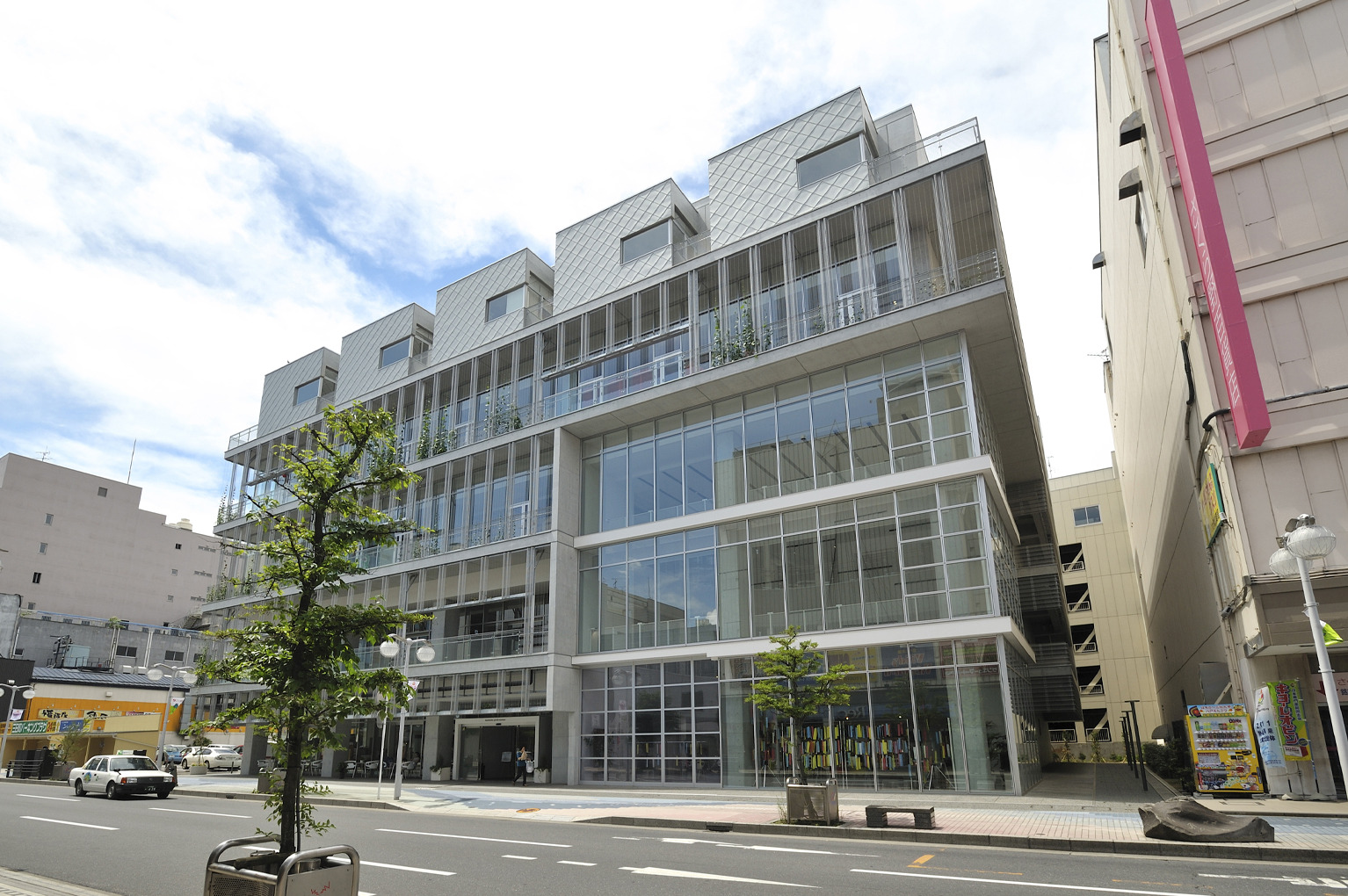
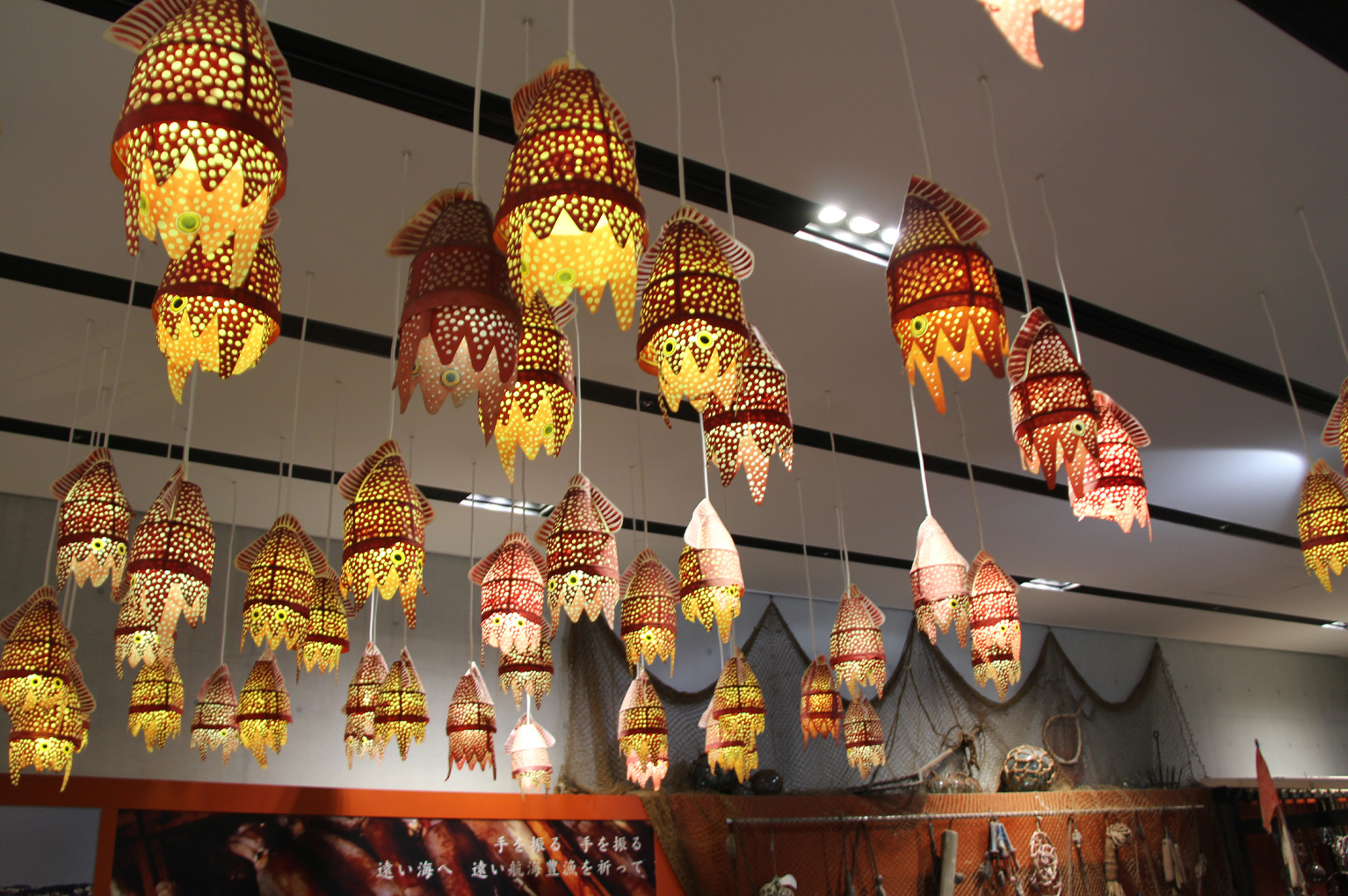
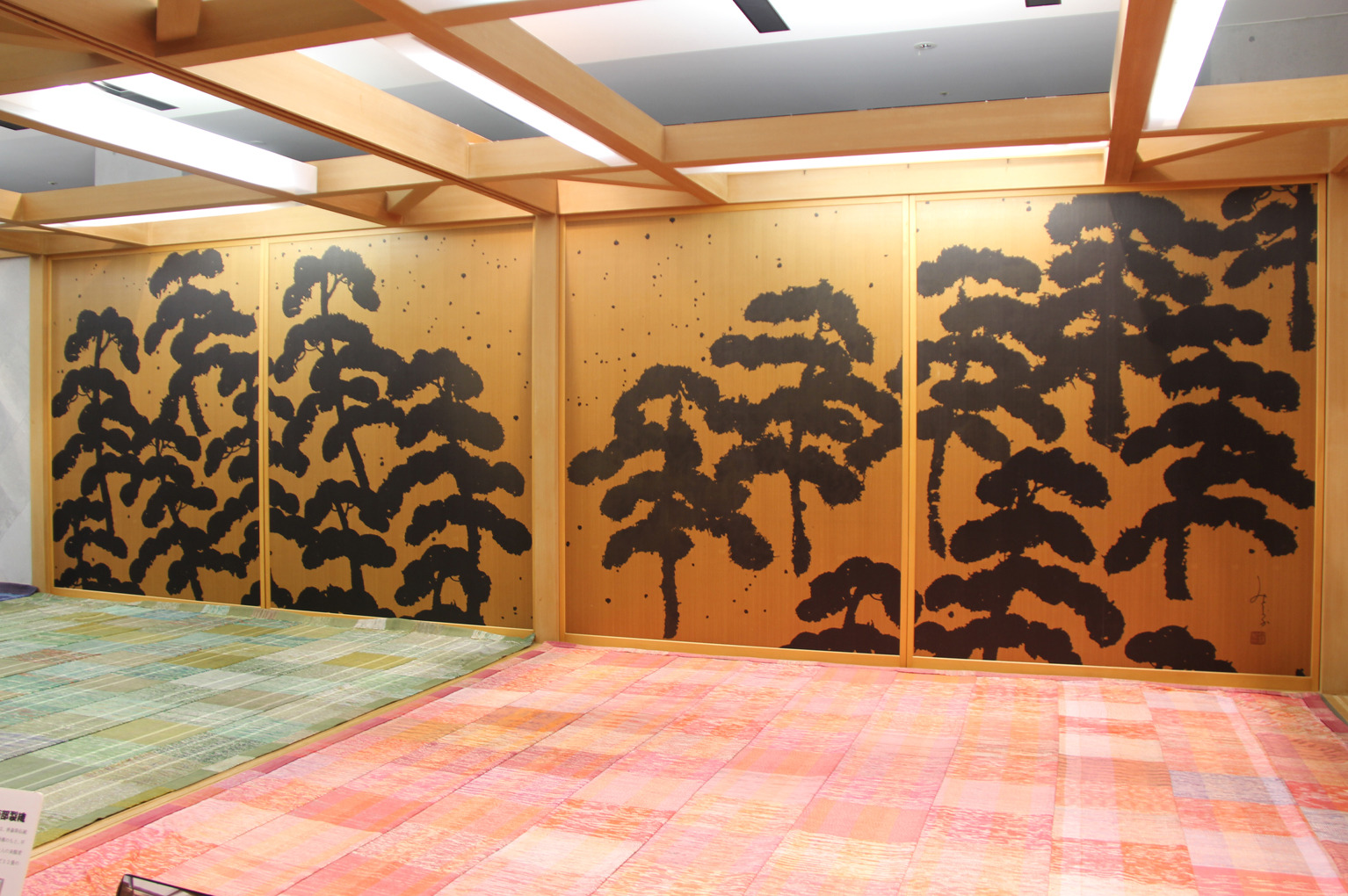
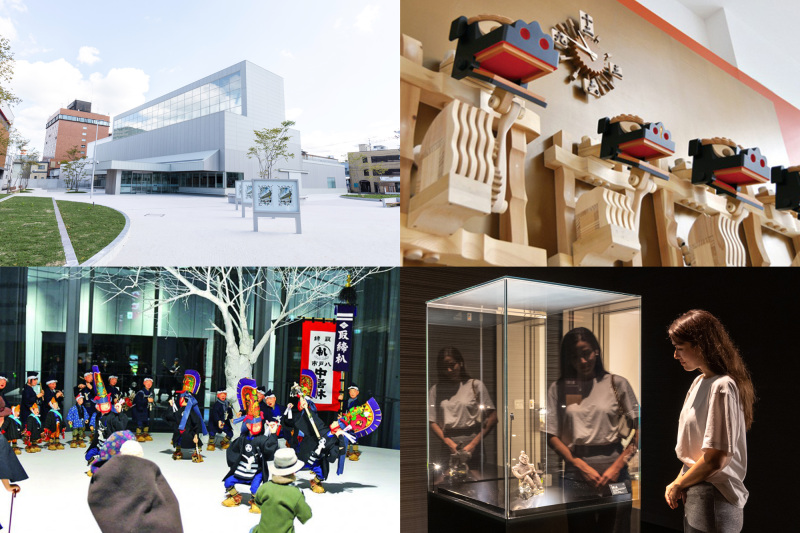
The Hachinohe Art Museum opened relatively recently in 2021 as a modern museum focused on community development through art. With unique architecture centering on its “Giant Room,” it hosts a permanent collection of artworks with connections to Hachinohe, along with various thematic exhibitions and events. Meanwhile, the Hachinohe Portal Museum “hacchi” serves as a one-stop hub for visitors to learn about the region. The multi-floor space features year-round exhibits of local arts and crafts such as Yawata horse figurines and Nambu Sakiori weaving, along with local cuisine, festivals, history, and culture. There are also food stalls selling local delicacies, a craft studio shop, and a theater hosting various traditional performances.
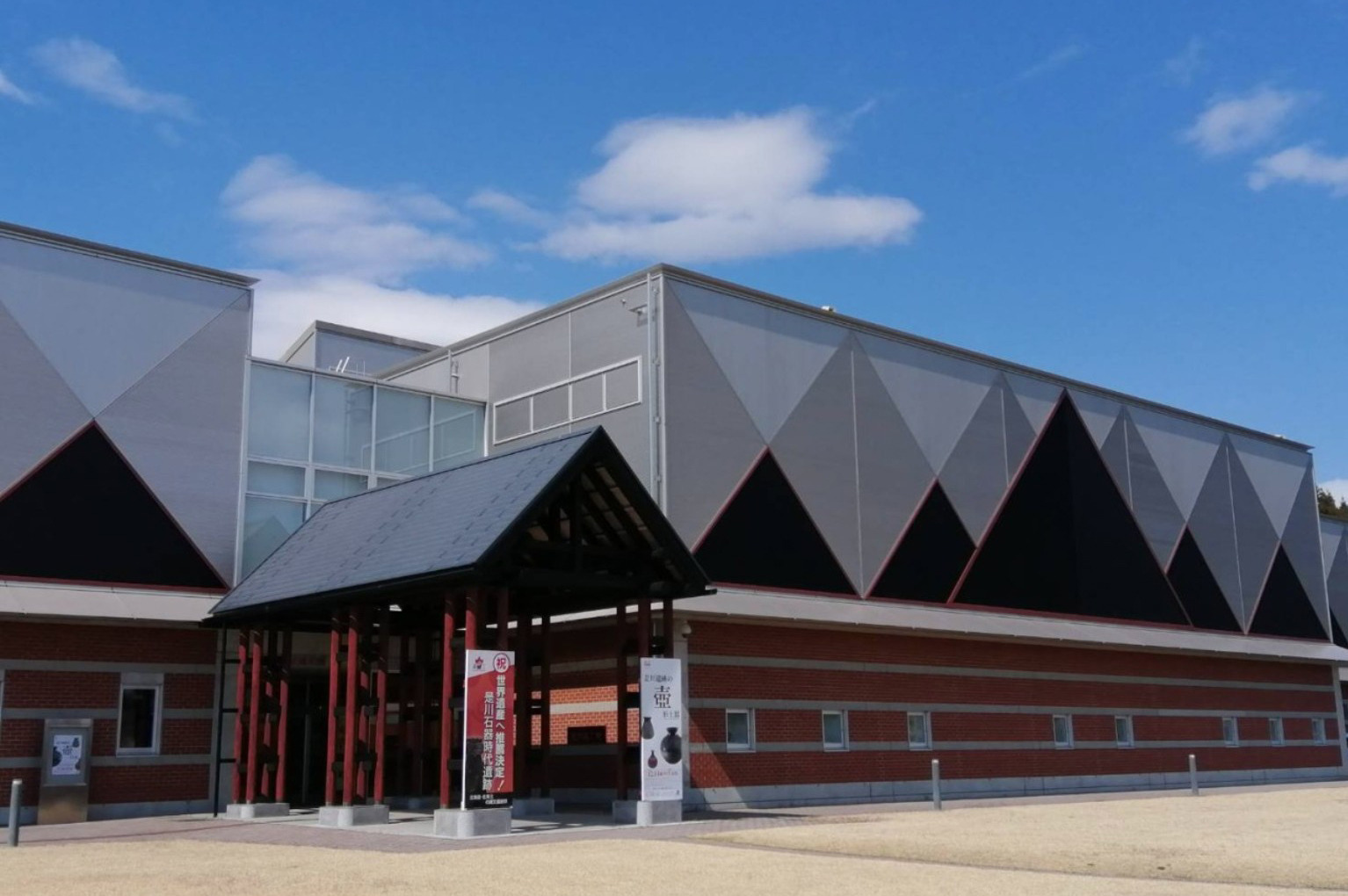
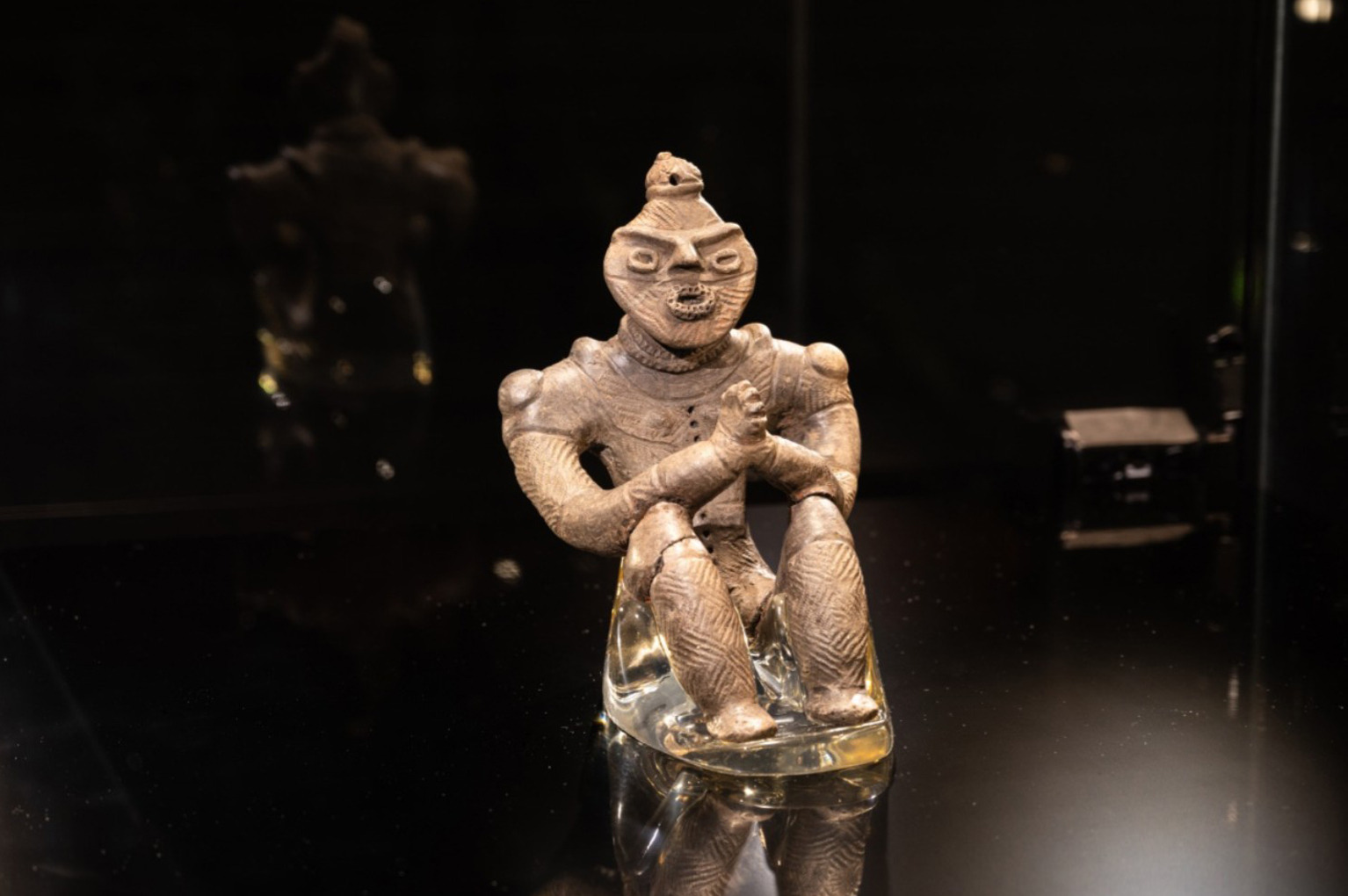
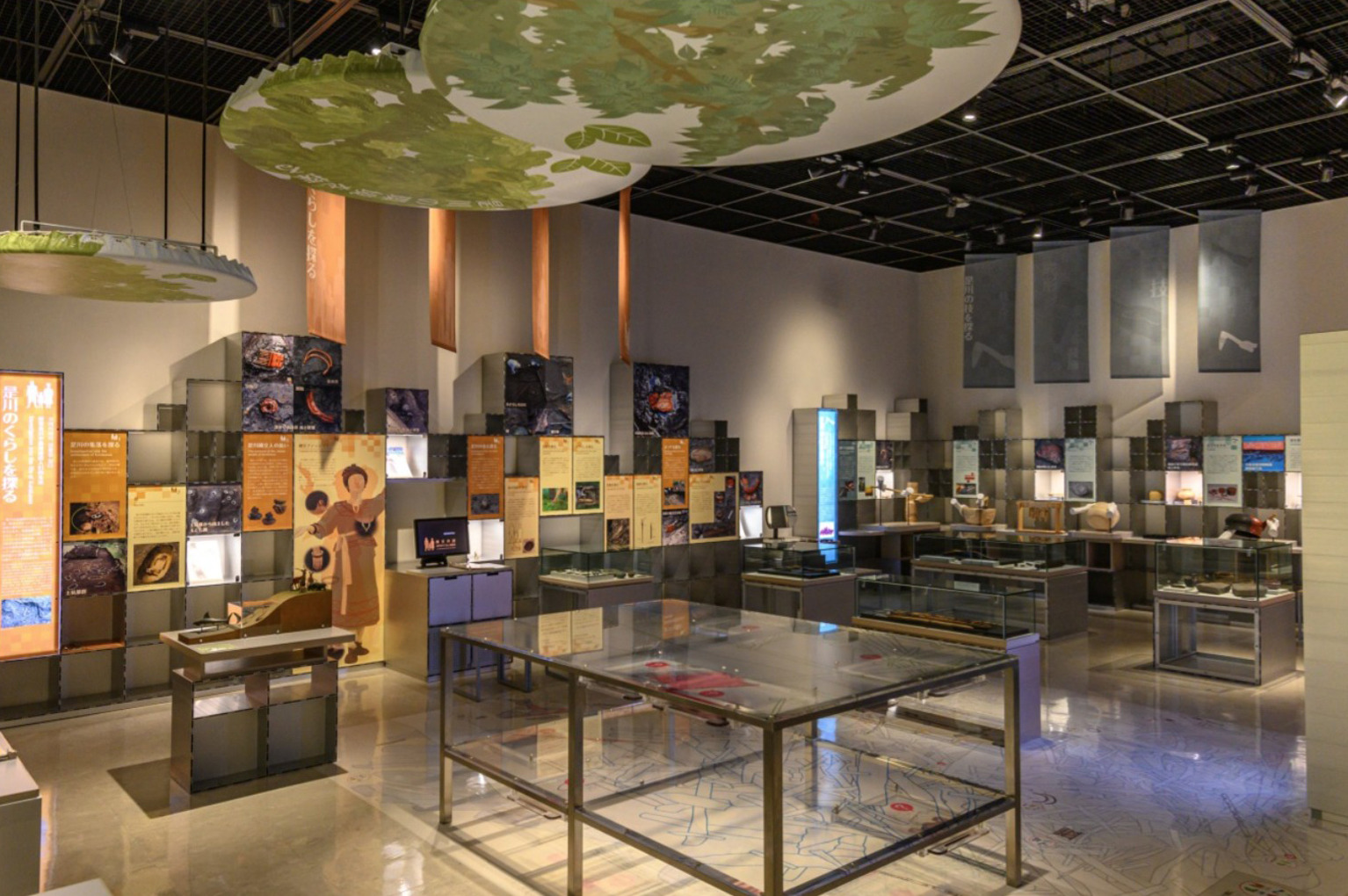
Hachinohe is an area of great archaeological significance, home to the Korekawa Stone Age Site and Kazahari I Site. Thousands of prehistoric artifacts have been excavated from these sites, including pottery and mysterious clay figurines in the shapes of humans and animals, known as dogu. The Korekawa Archaeological Institution (Korekawa Jomon Kan) is a museum that exhibits some of the artifacts unearthed in the area, including the remarkable “Dogu with Palms Pressed Together,” a clay figurine from the second millennium BC that has been designated as a national treasure. It’s a must-see for anyone who wants to learn more about prehistoric Japan.
Exploring Hachinohe’s Art, History, and Culture
More information about the Hachinohe Art Museum
More information about the Hachinohe Portal Museum “hacchi”
More information about the Korekawa Archaeological Institution (Korekawa Jomon Kan)