Aomori’s Amazing Onsens
Bathing in a hot-spring spa or onsen is a cherished part of Japanese culture, and Aomori Prefecture offers lots of opportunities to soak in soothing hot-spring waters amid breathtaking natural surroundings. Here are seven fantastic onsens throughout the prefecture that you won’t want to miss.
Sukayu Onsen (Aomori City)
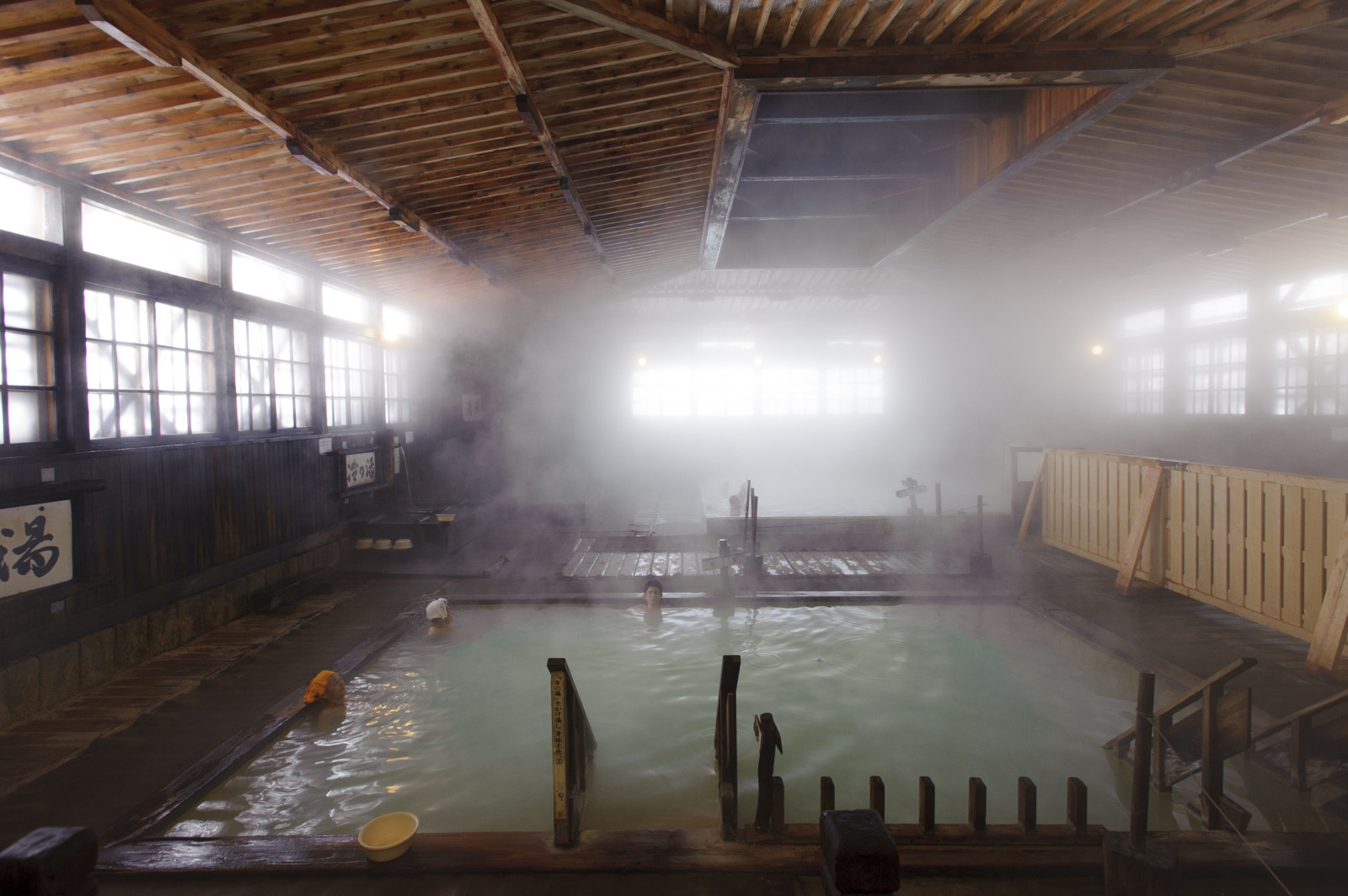
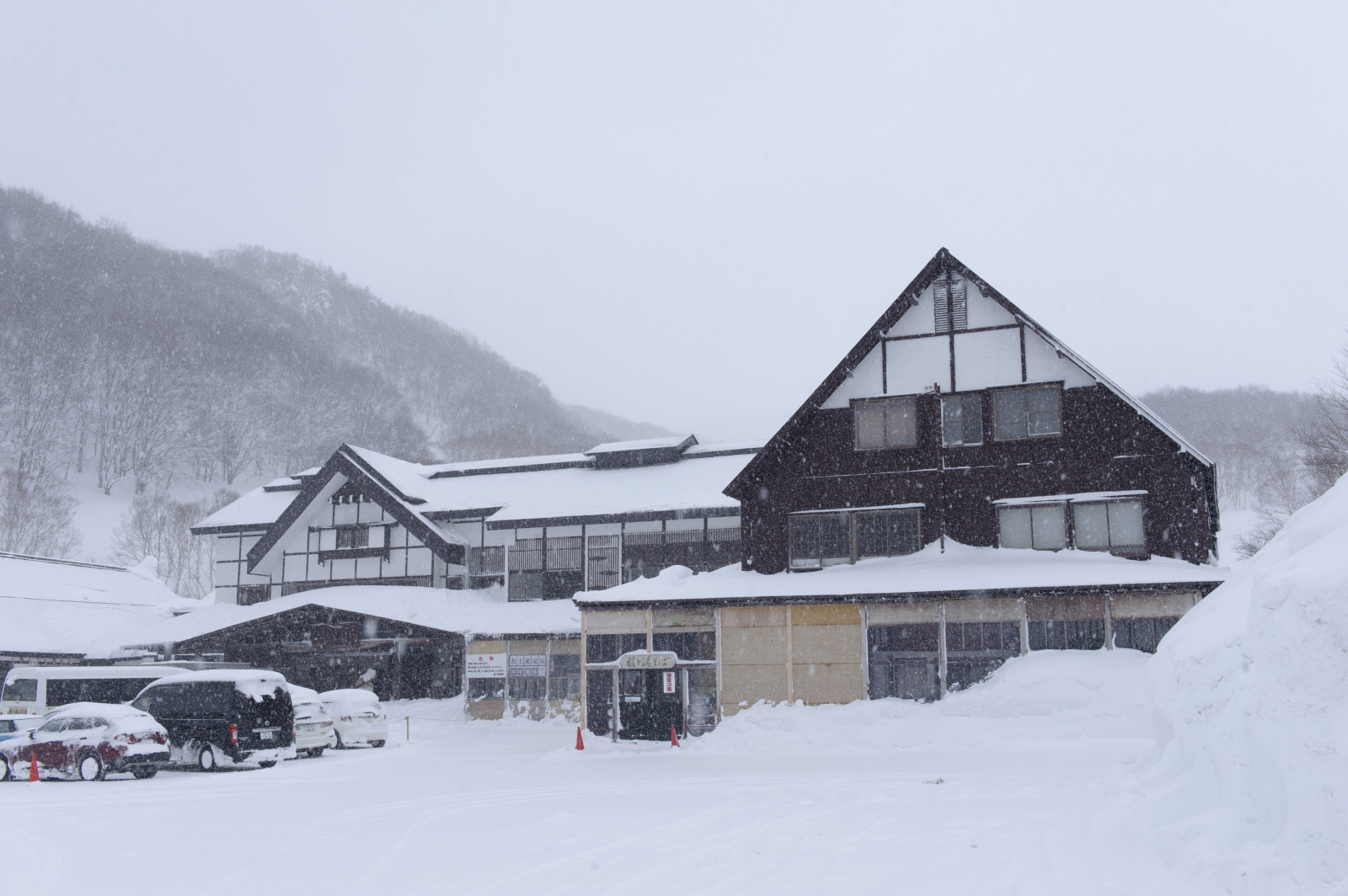
This hot-spring inn deep in the Hakkoda Mountains is famous for its beech-wood tub nicknamed the “Bath of One-Thousand Bathers.” While that actual number of occupants might be a tight fit, the mixed-gender bath is very spacious. There are also separate, male-only and female-only baths, all of them natural hot springs flowing directly from the source. Bathing costumes for anyone to wear in the mixed bath are available for rental. Thanks to its proximity to the Hakkoda Ski Area, Sukayu Onsen is popular with skiers and snowboarders in winter. It also has another claim to fame—as the snowiest inhabited place on Earth!
Koganezaki Furofushi Onsen (Fukaura Town)
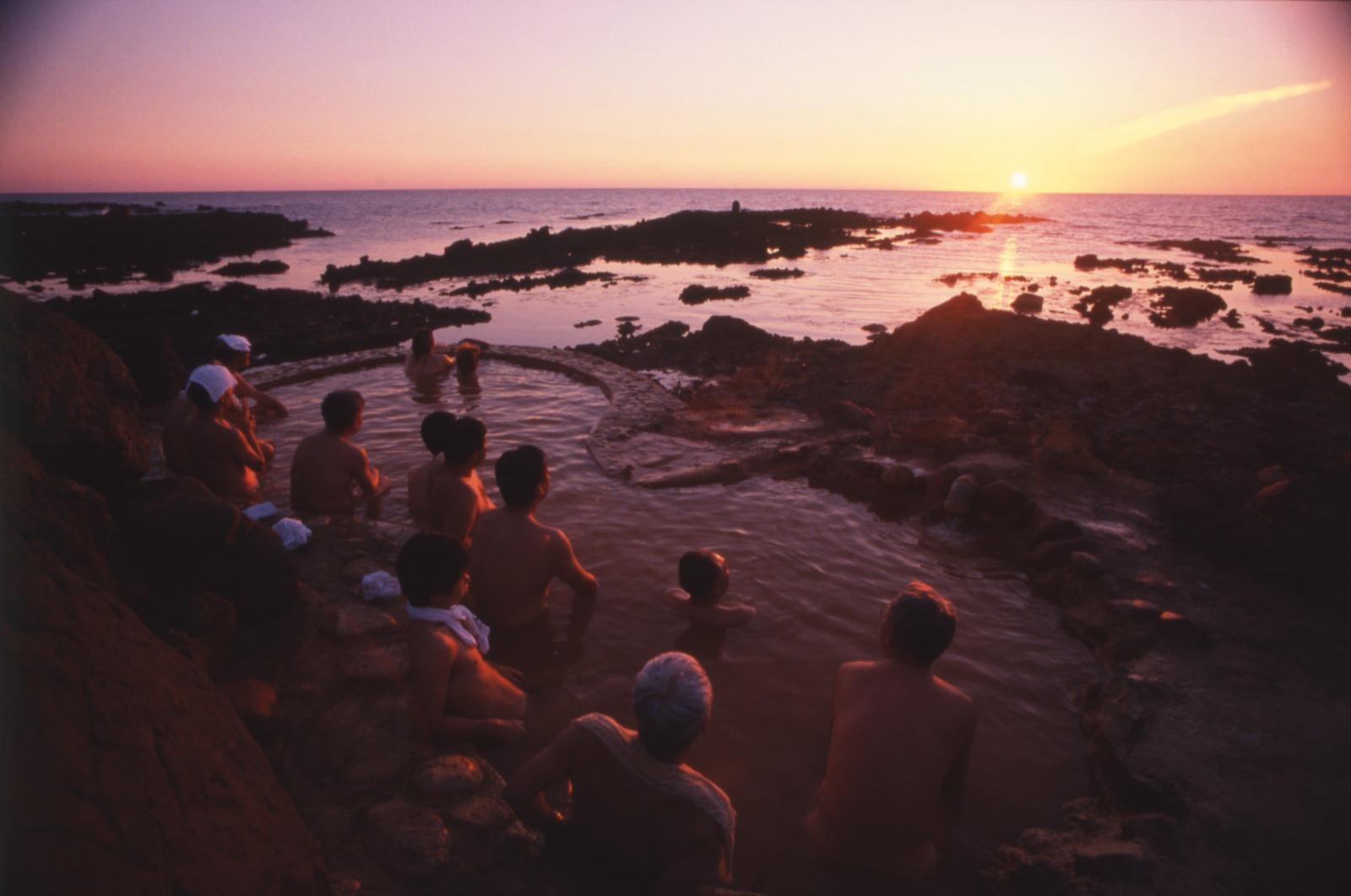
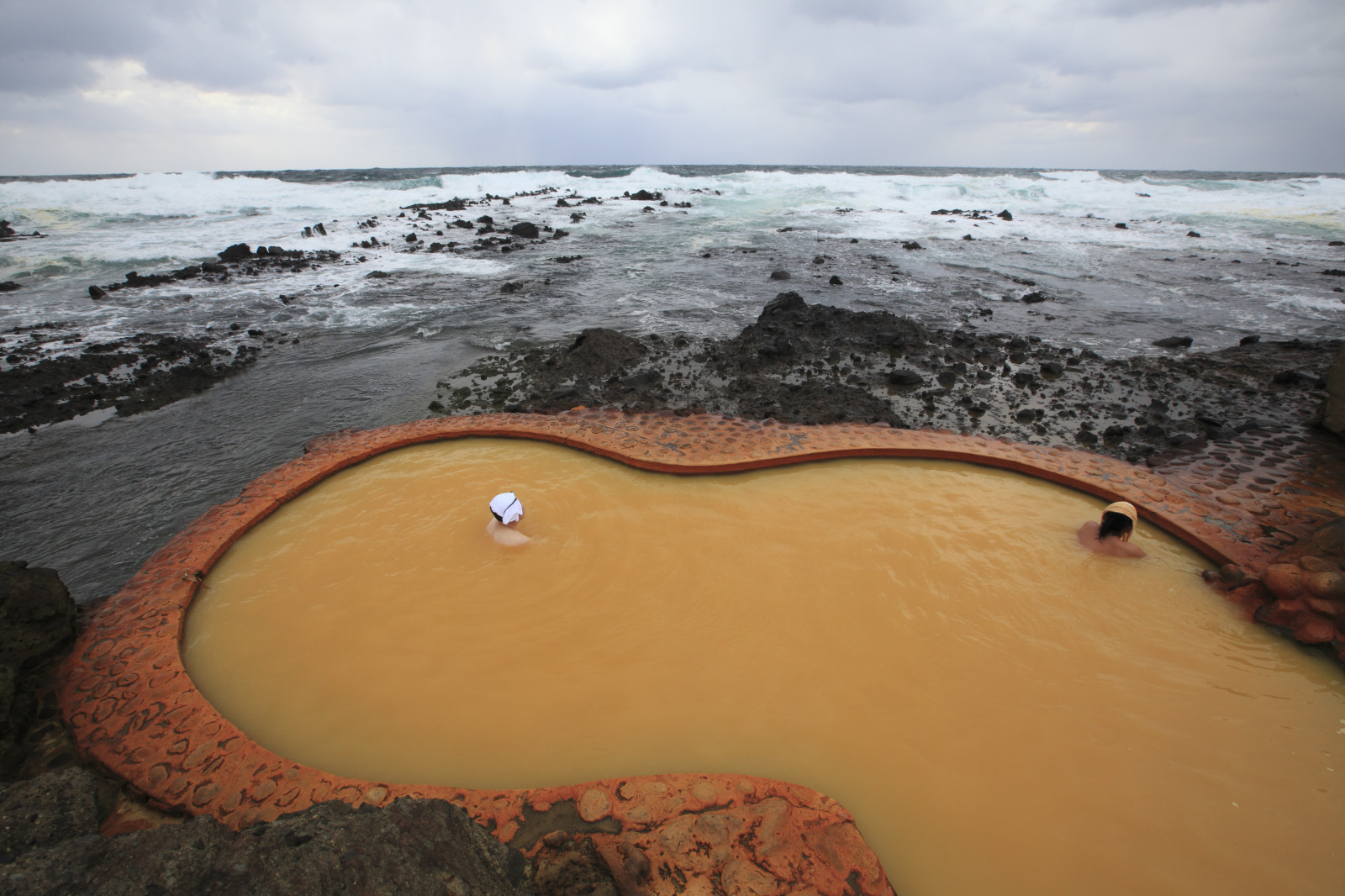
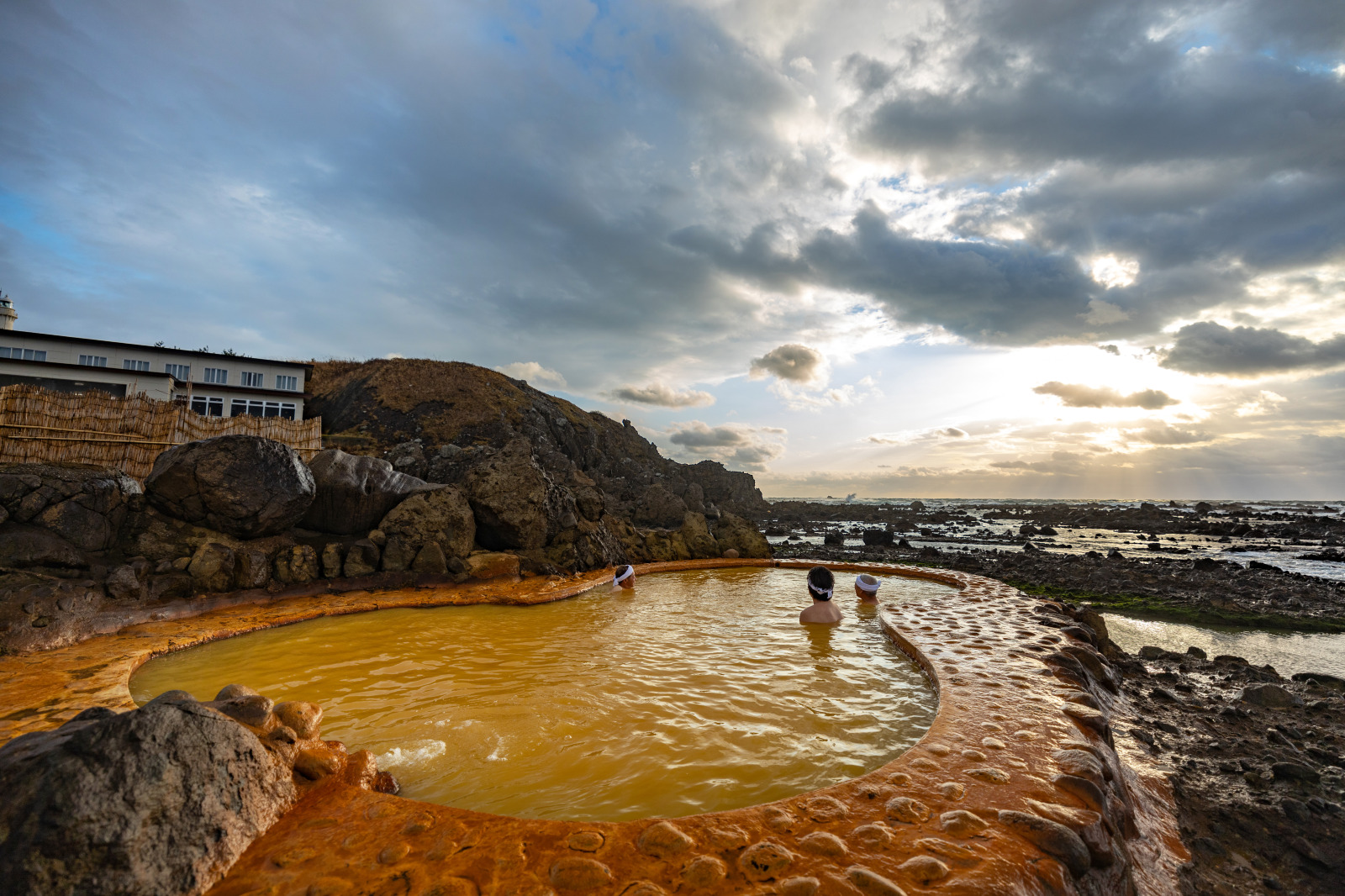
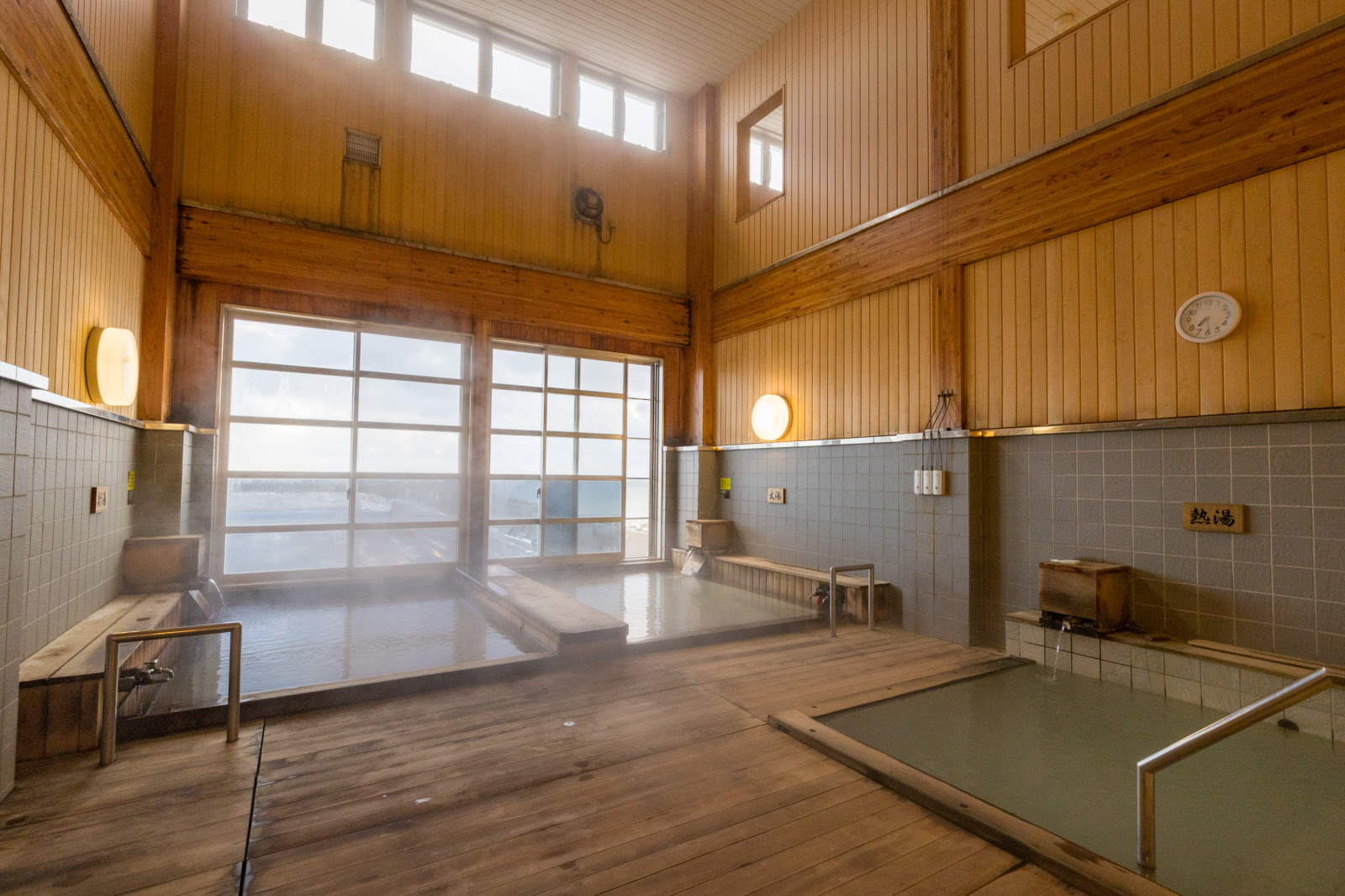
Soaking in these outdoor baths right on the ocean is a one-of-a-kind experience, especially while watching the sun set over the Sea of Japan. (An overnight stay is recommended in this case, as the seaside outdoor baths are only open to day visitors until 4:00 p.m.) In addition to a gourd-shaped mixed-gender outdoor bath, there is also a round outdoor bath for women only. When including the indoor baths for men and women respectively, there are four baths in total, nearly all of them 100% natural hot-spring baths with water flowing fresh and untreated from the source. The name of the hot spring comes from the Japanese word furofushi meaning “immortality,” derived from a local saying that “anyone who enjoys the benefits of these waters will never grow old or sick.” Although that might be a slight exaggeration, the dark reddish-brown water is rich in iron and salt and will leave you feeling warmed from the inside out.
Ajigasawa Onsen (Ajigasawa Town)
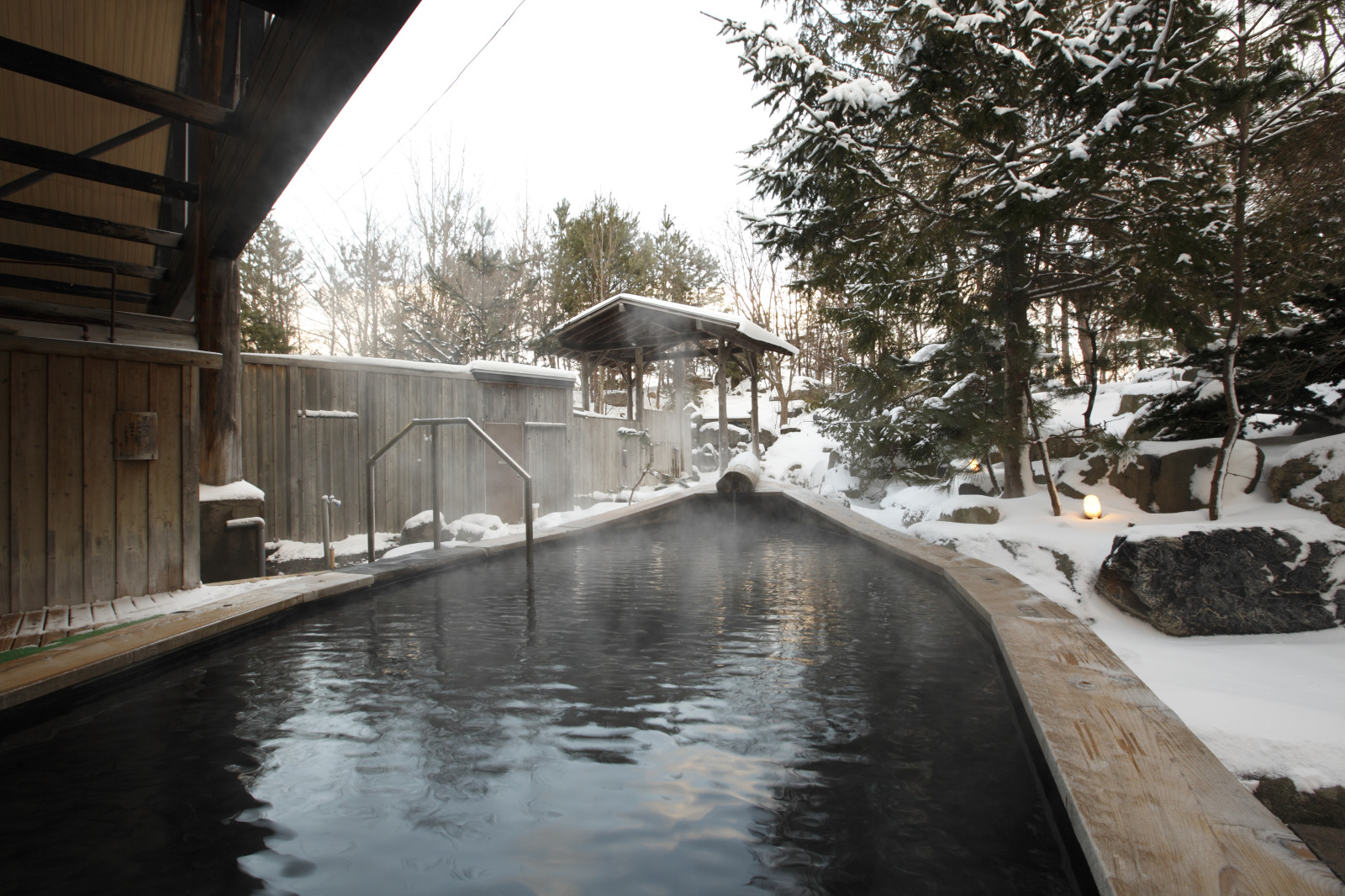
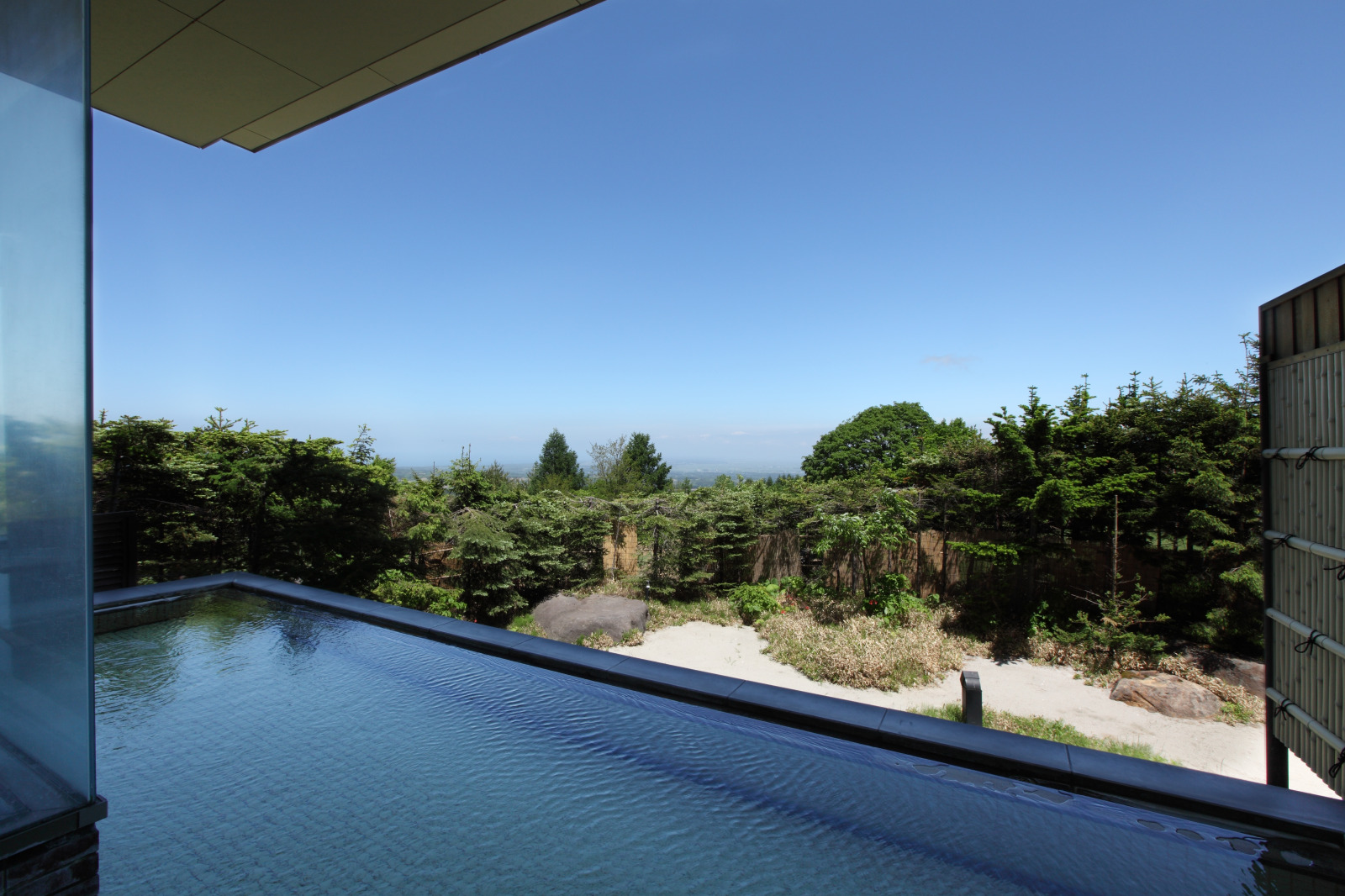
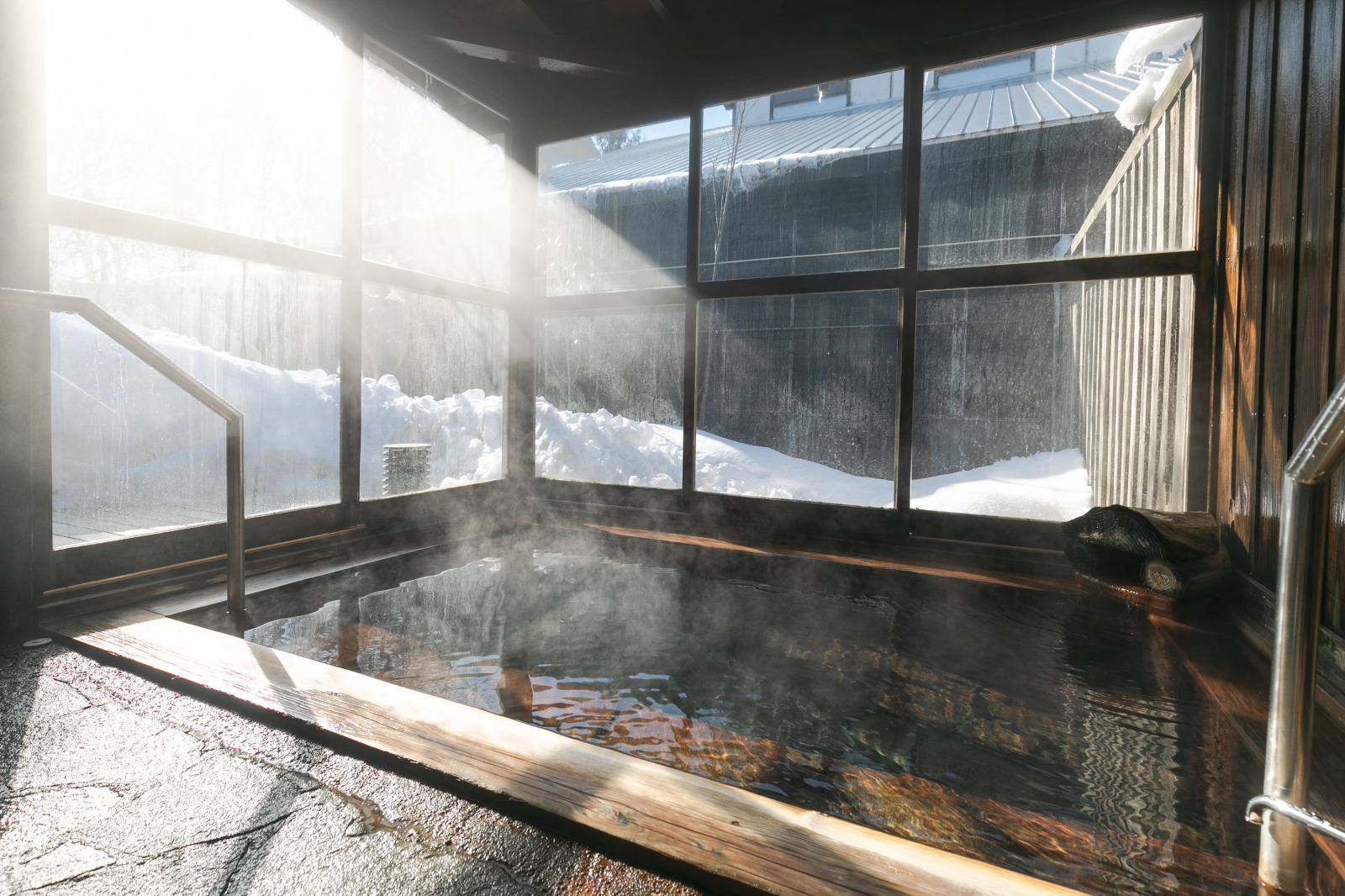
This extremely rare “fossilized seawater” hot spring formed over the course of 300,000 years from seawater trapped underground, resulting in hot-spring baths with a high level of salinity that could be considered a natural kind of thalassotherapy (therapeutic seawater bathing). There are two hot-spring inns, Suigun no Yado and Hotel Grand Mer Sankaiso, which pride themselves on their cuisine featuring tasty seafood. Ajigasawa Onsen is located in the foothills of the Shirakami Sanchi World Heritage site, offering convenient access to the pristine natural beauty of the region’s vast forests. Where else can you immerse yourself in prehistoric seawater heated by the energy of the earth?
Tsuta Onsen (Towada City)
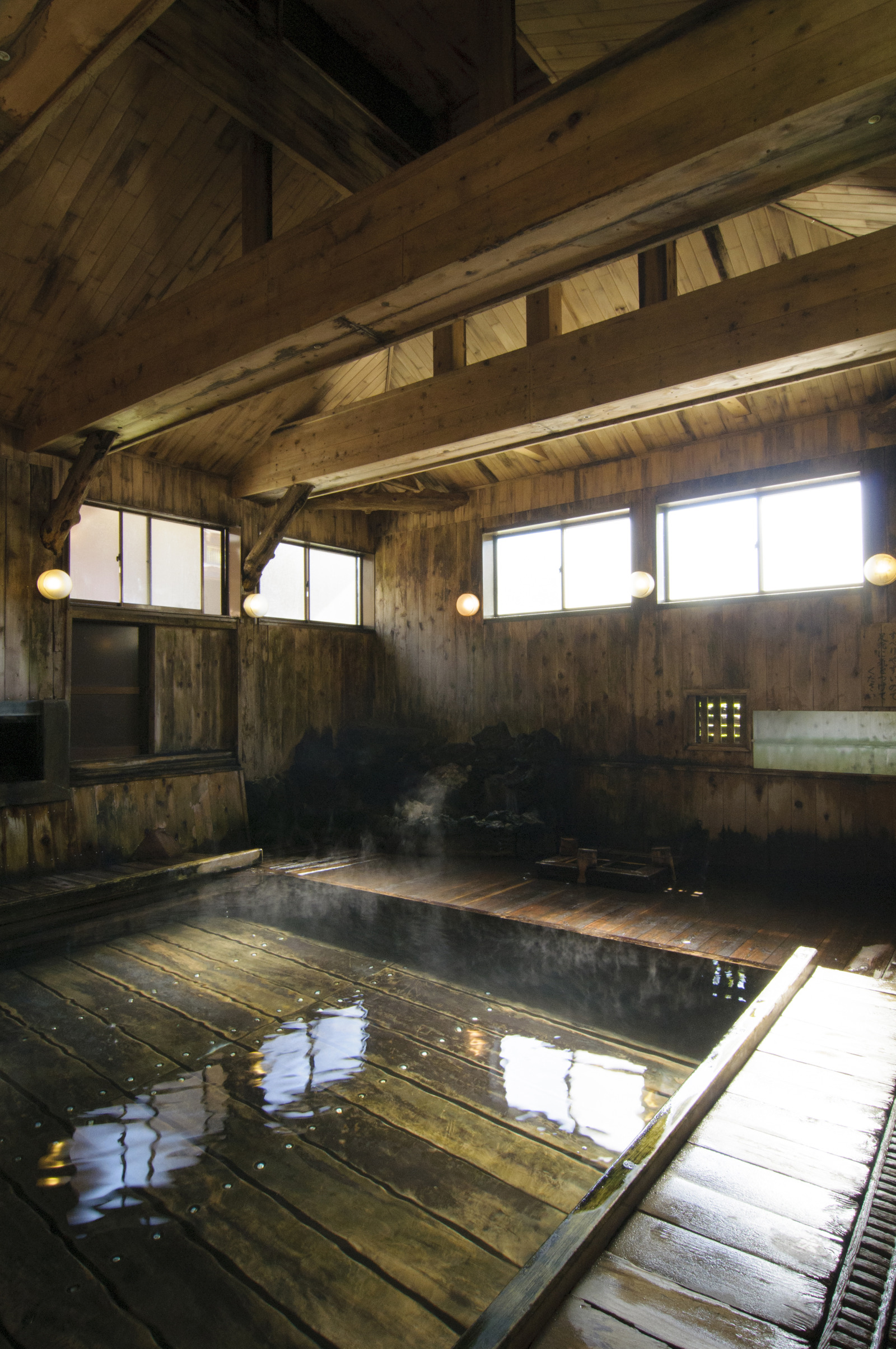
This elegant wooden hot-spring inn with a historic ambience is located halfway up the Hakkoda Mountains, surrounded by a sprawling virgin beech forest. Records show that people have enjoyed bathing here for as far back as one thousand years. In addition, it is one of the few free-flowing hot-spring spas in Japan. Since the baths are placed directly over the hot-spring source, hot-spring water gushes from the bottoms of the tubs without ever touching the air. Tsuta Onsen is close to popular attractions such as the Oirase Gorge and Lake Towada, and nearby walking trails allow visitors to explore a network of ponds and lakes, making it an excellent hot-spring destination for travelers who also want to explore the great outdoors.
Owani Onsen (Owani Town)
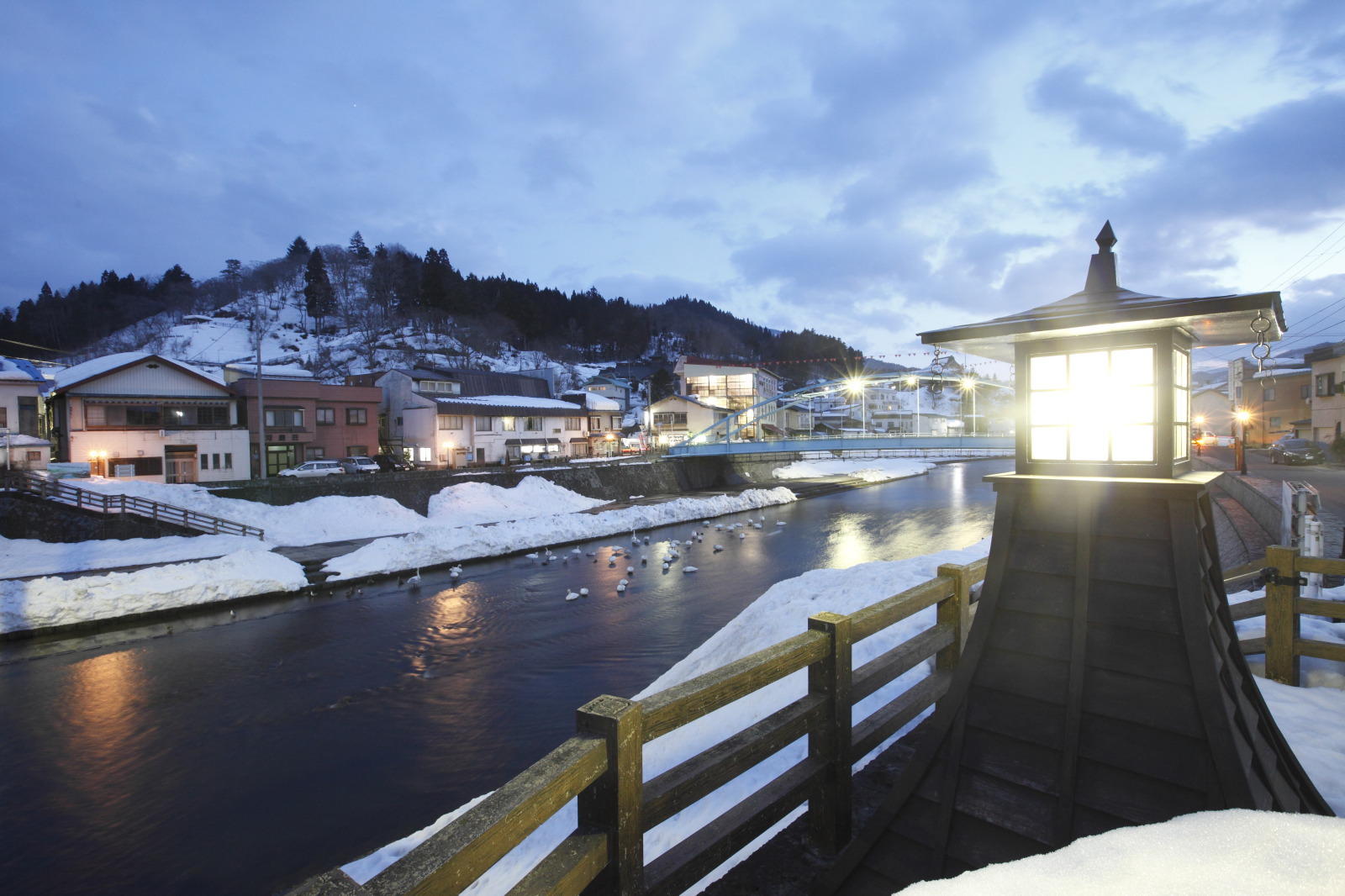
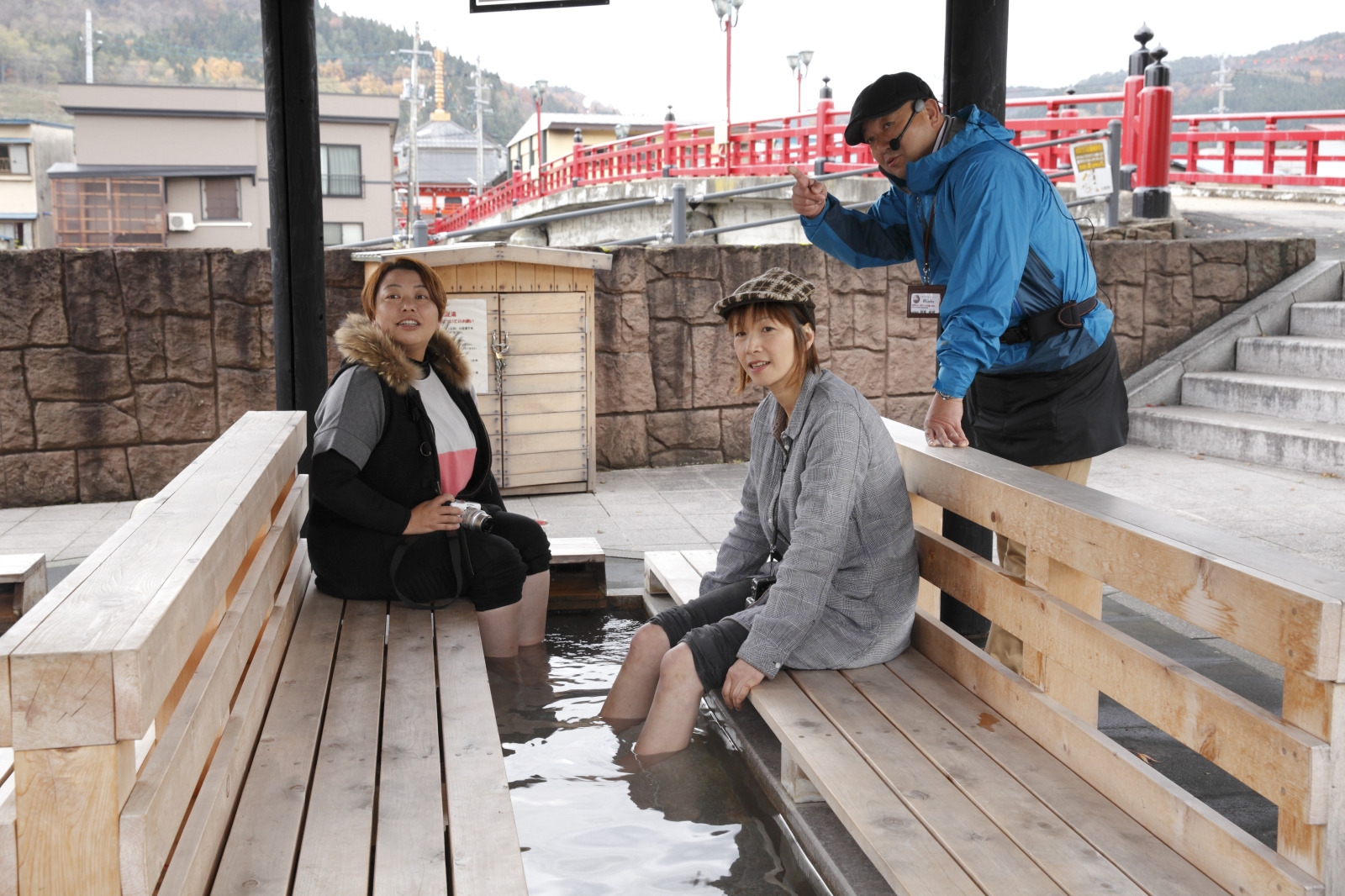
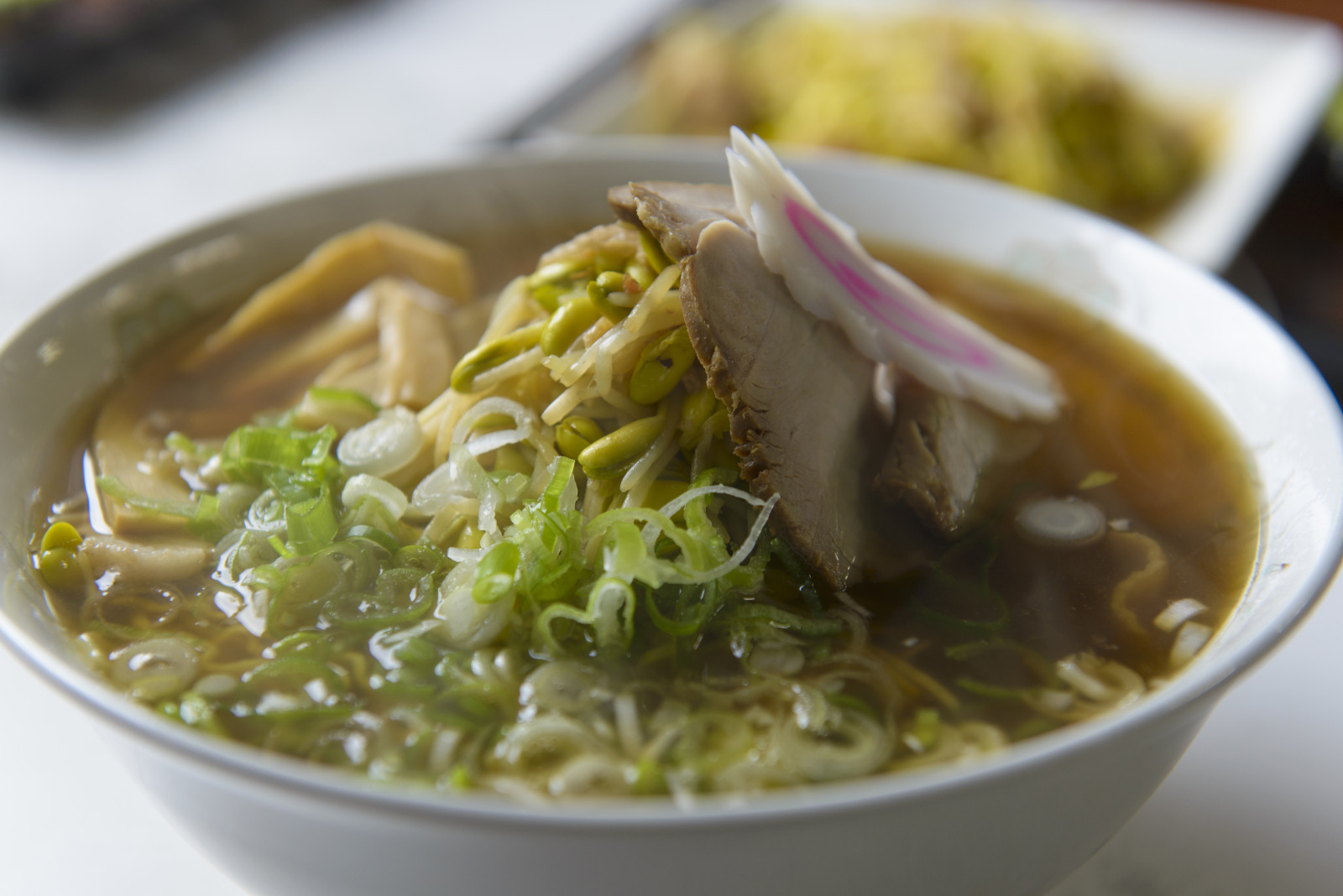
This hot-spring spa with a history of over 800 years is known for its colorless, transparent water that is gentle on the skin and leaves it feeling silky smooth. The water is also said to have warming properties and prevent chills. Event such as the Owani Onsen Azalea Festival in May, when approximately 15,000 azalea bushes bloom, and the Owani Onsen Neputa Festival in August draw crowds of visitors to the town. In the winter, you can also enjoy soaking in the hot springs after an action-packed day on the slopes at Owani Onsen Ski Resort. Don’t forget to try ramen or soba noodles topped with Owani Onsen bean sprouts, a local specialty grown using only heat and water from the hot springs!
Yagen Onsen and Oku-Yagen Onsen (Mutsu City)
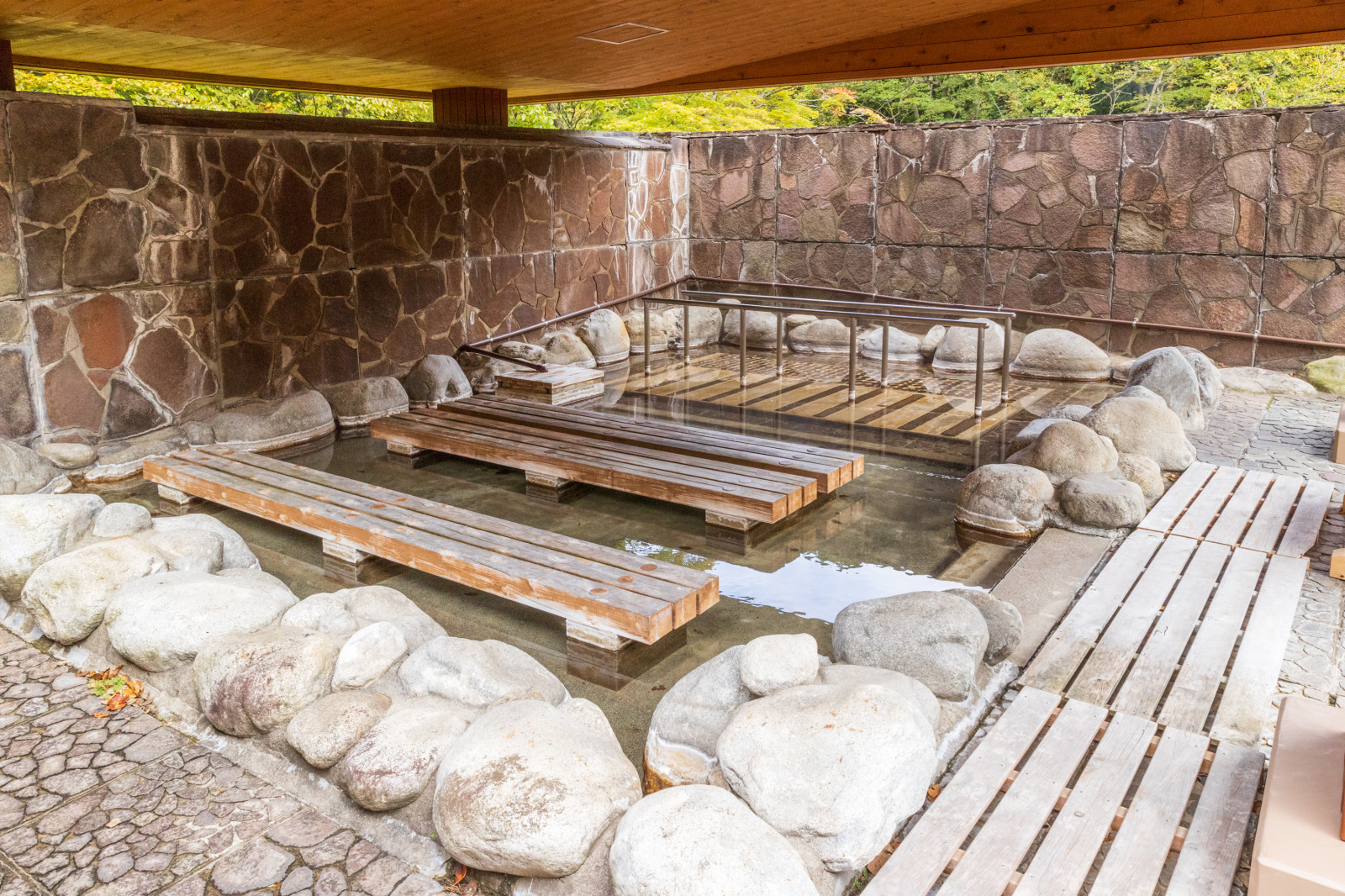
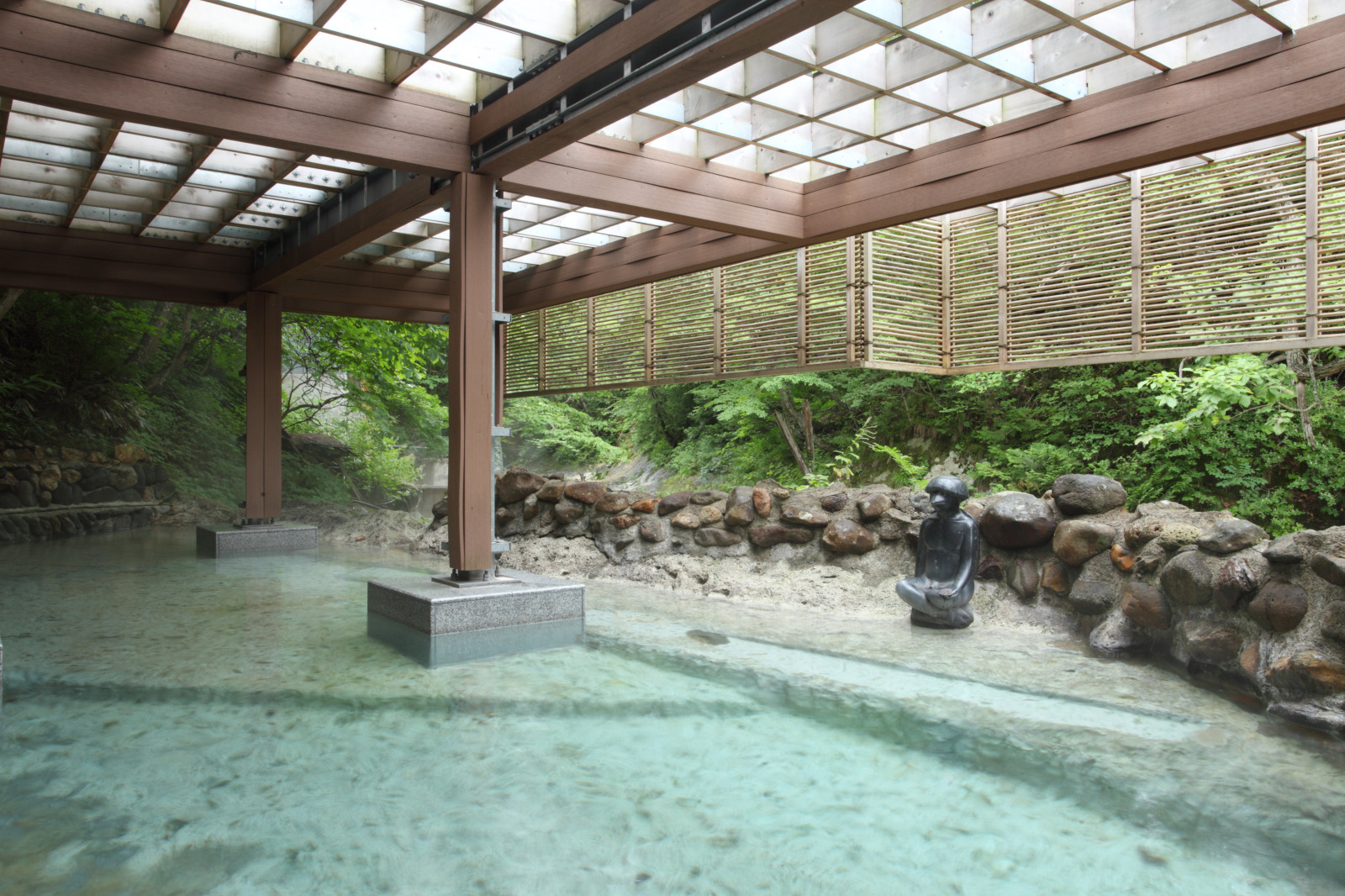
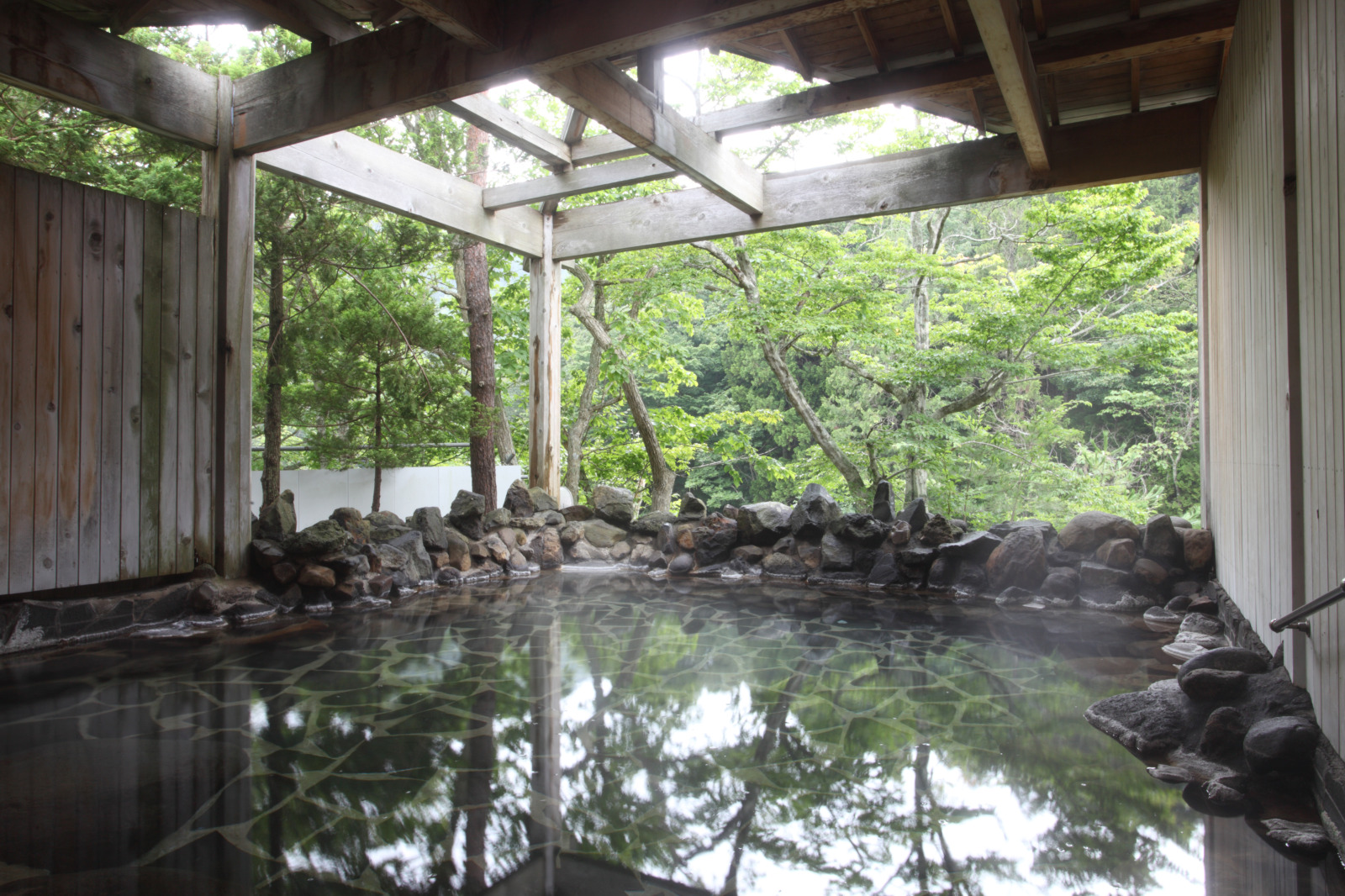
These hot springs are located within about two kilometers’ distance of each other along the Ohata River deep in the forest of the Shimokita Peninsula. Oku-Yagen Onsen has two open-air baths, Ganso-Kappa-no-Yu and Fufu-Kappa-no-Yu. Both are natural free-flowing hot-spring baths built along a mountain stream. Despite their secluded location, many visitors come to soak in the baths while enjoying views of seasonal foliage and the beautiful stream. The Ganso-Kappa-no-Yu bath is free of charge, with men and women bathing at different times. In order to protect the natural environment, using soap or shampoo is not permitted. There is also an outdoor foot bath that is free and open to the public.
Shimofuro Onsen (Kazamaura Village)
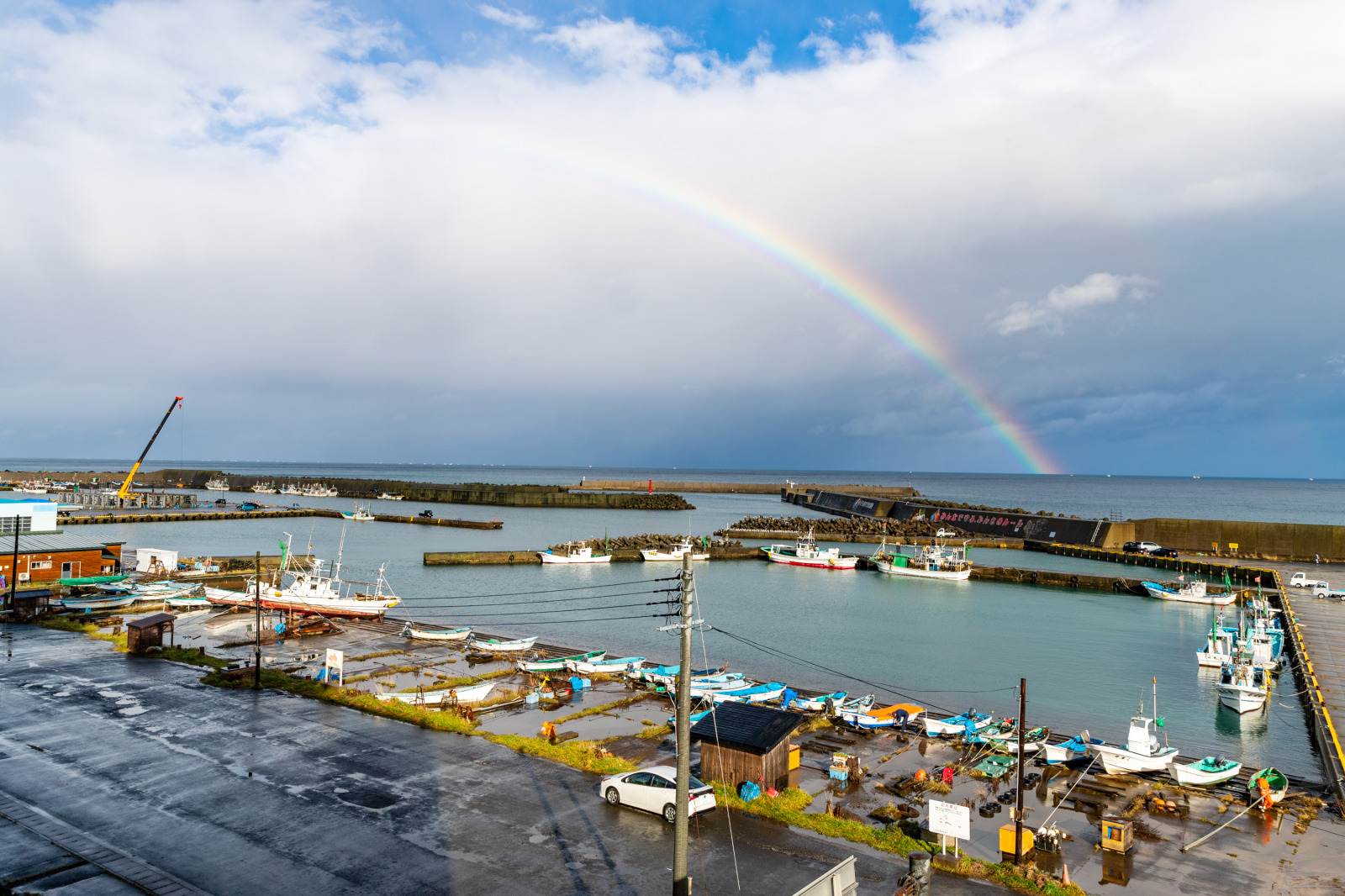
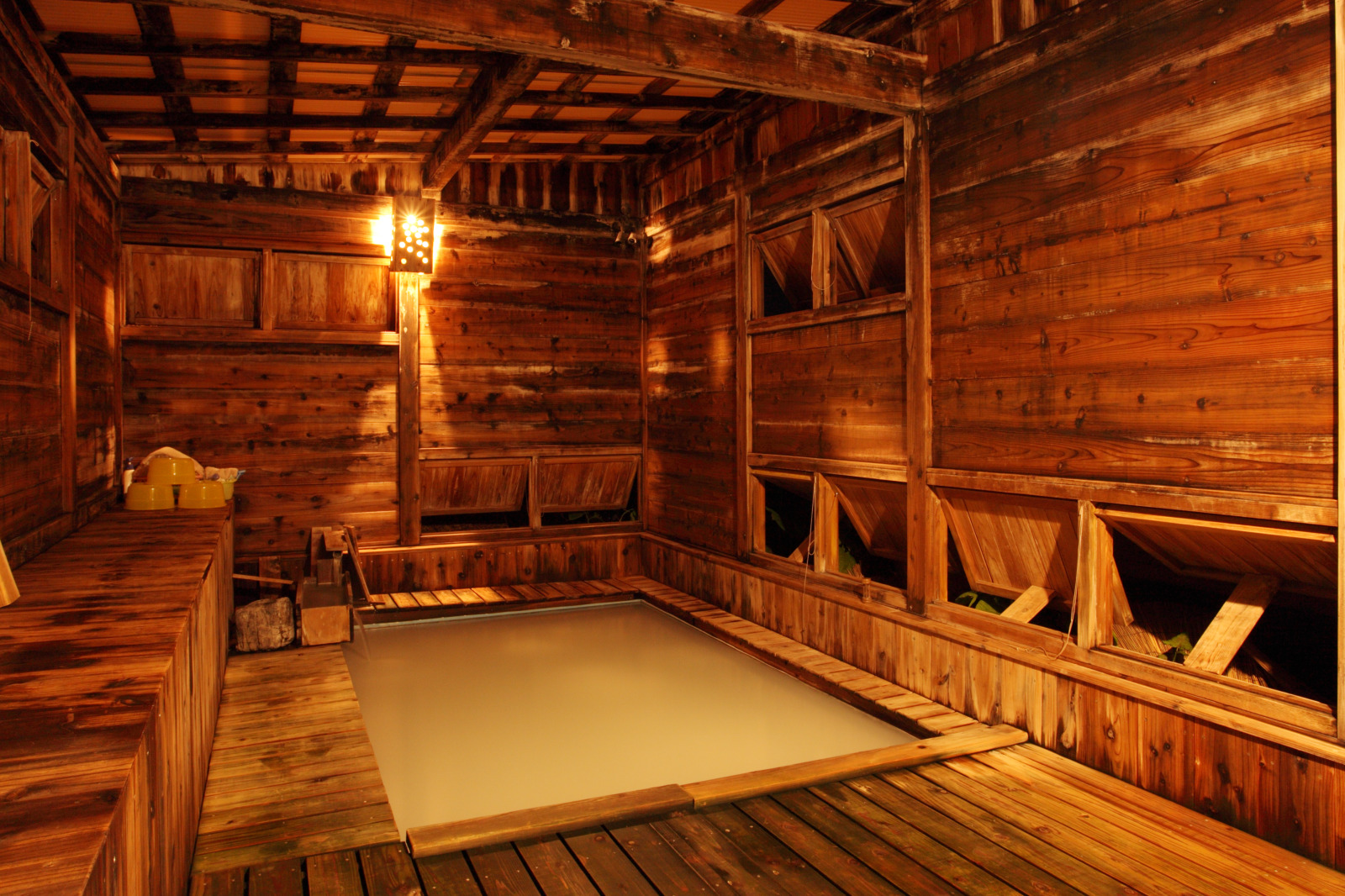
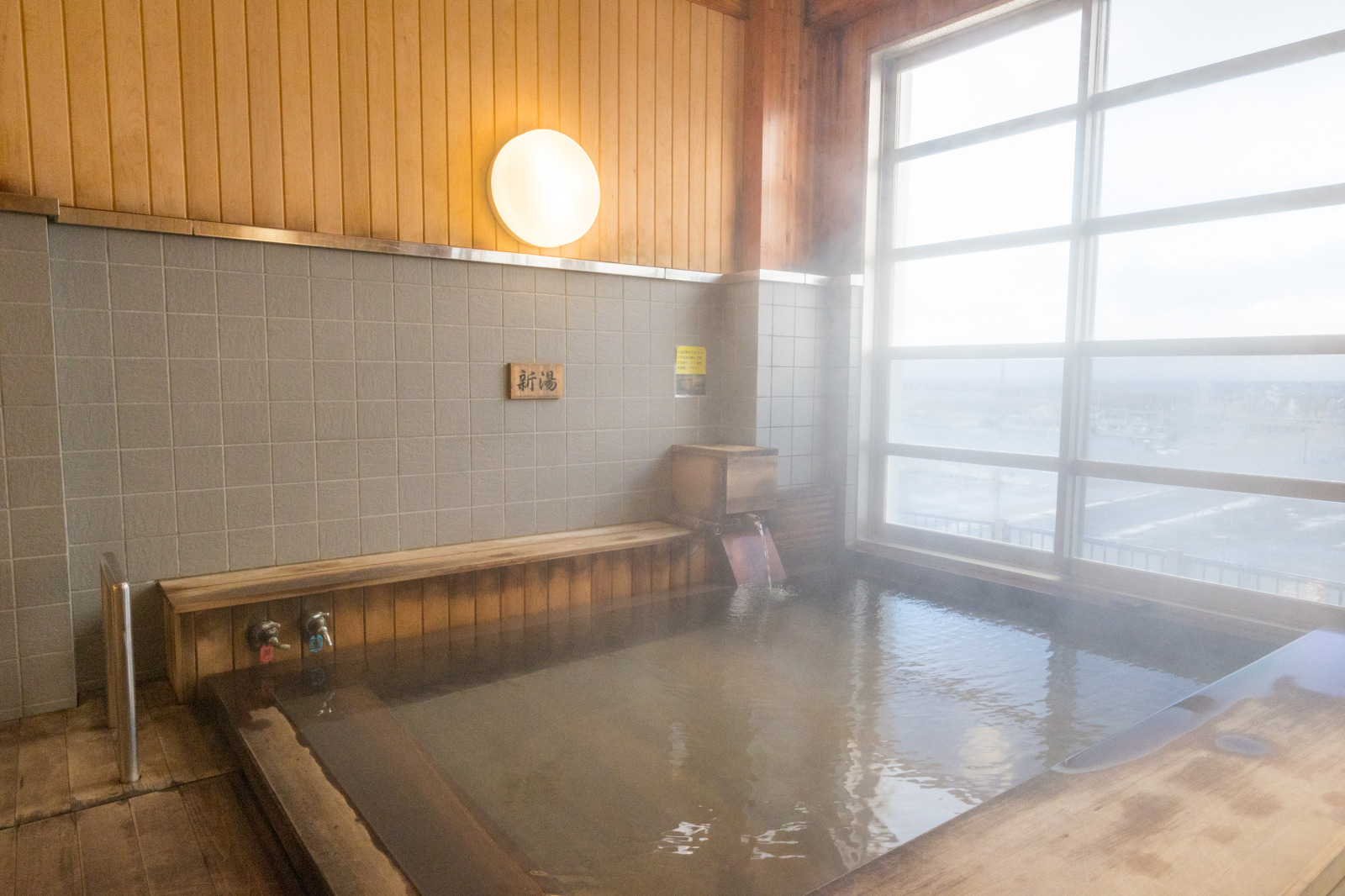
This is the northernmost hot-spring village on the island of Honshu, where visitors can enjoy the cozy feeling of bathing while watching the rough waves of the Tsugaru Strait. Positioned between the mountains and the sea, Shimofuro Onsen’s location makes it exceptionally scenic. It also has four different hot-spring sources, each with distinctive properties, so you can enjoy a different bathing experience depending on the hot-spring facility you choose. Hot-spring sources with different water qualities being situated so close to one another is rare, even in Japan. Shimofuro Onsen and Kazamaura Village are also known for delicious seafood freshly caught in the Tsugaru Strait, including monkfish, a winter specialty.
Whether it’s for a day visit or as part of an overnight stay, soaking in an onsen is nature’s ultimate spa experience, melting away all your tension and stress. If you’re planning a trip to Aomori Prefecture, why not treat yourself to this amazing (and relaxing) aspect of Japanese culture?