The authentic taste of Aomori: Residents’ most beloved comfort foods and local sake
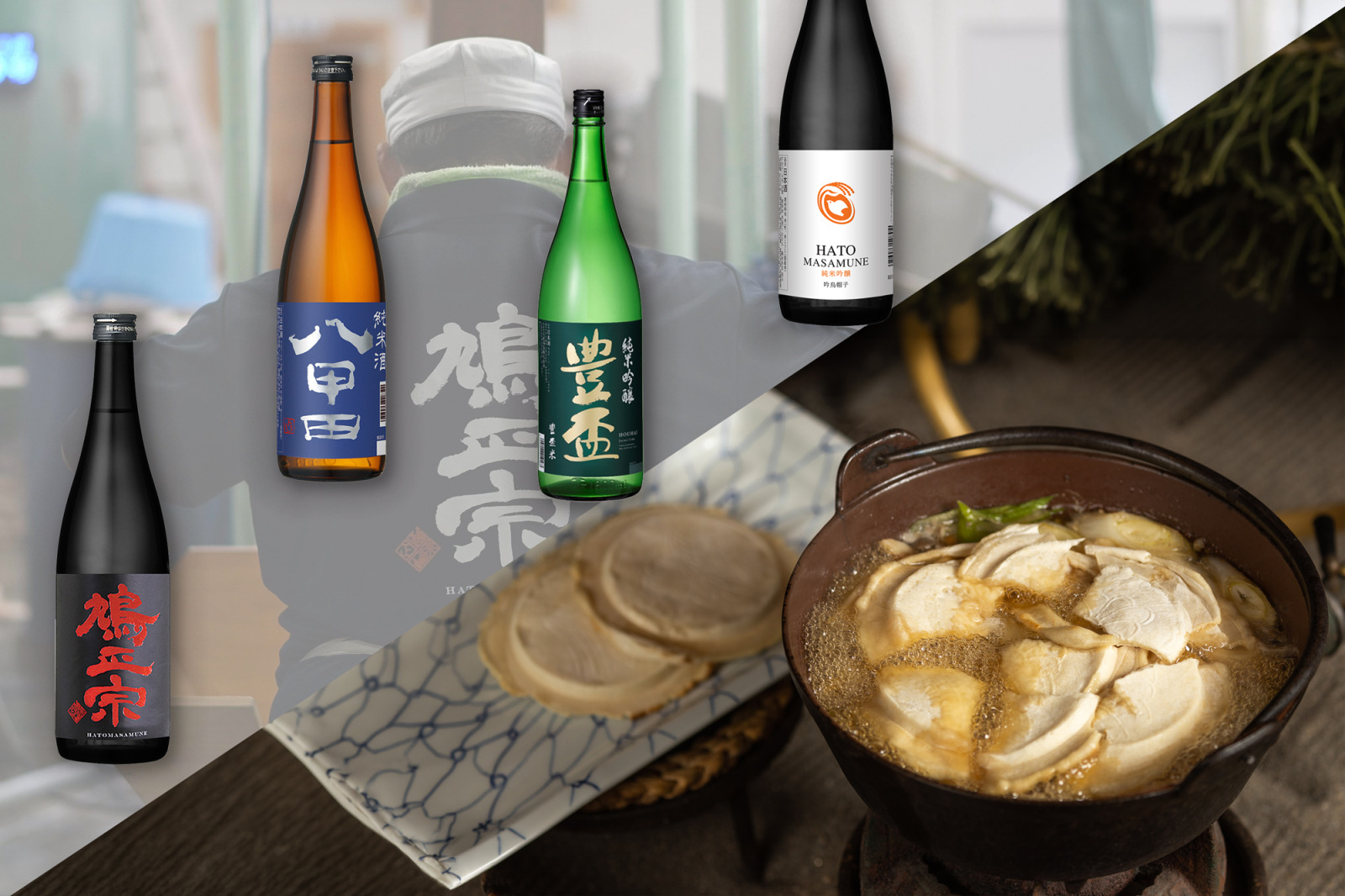
Are you looking for a truly authentic Aomori dining and drinking experience? Read on to learn about some of the humble yet delicious comfort foods and sake brands most popular among local residents.
Part 1: Beloved Local Comfort Foods
In addition to upscale cuisine, every region has its own hearty and affordable “comfort foods” beloved by locals, and Aomori is no exception. Here is just a small selection of the tasty and popular local foods you can enjoy in Aomori.
Towada Barayaki Grilled Beef (Towada City)
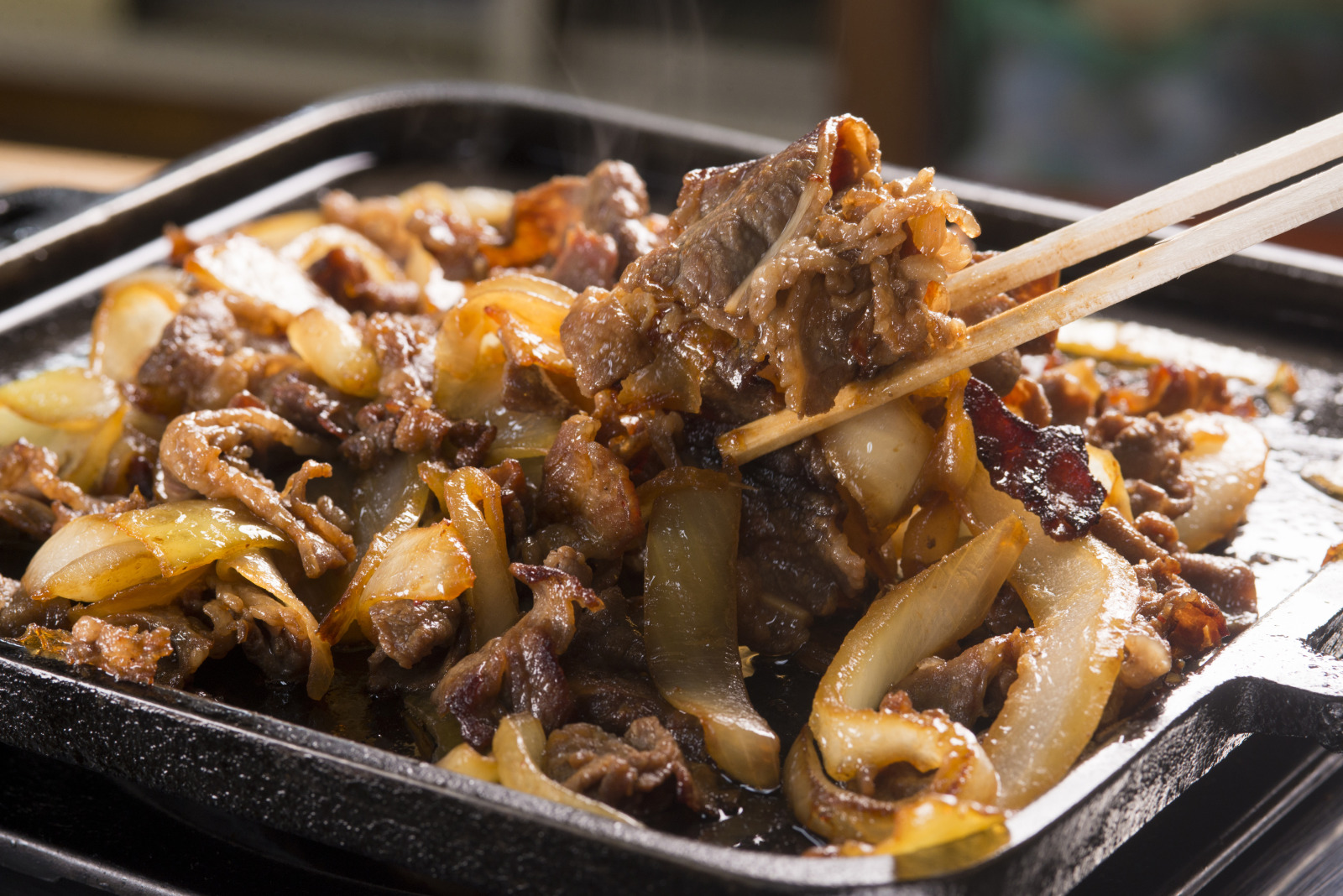
This dish of thinly sliced boneless beef ribs marinated in a sweet and salty soy-sauce blend and then grilled on a sizzling iron hotplate with sliced onions is said to have originated during the postwar period, when many construction workers from all over Japan moved to Misawa City to help build Misawa Air Base. To satisfy the appetites of these hungry workers, food stalls in front of the base began selling a dish inspired by Korean barbecue and making use of beef cheaply procured from the US military. The dish later spread to Towada City and became a beloved local food. The savory and addictive taste has drawn attention nationwide.
Miso-Curry-Milk Ramen (Aomori City)
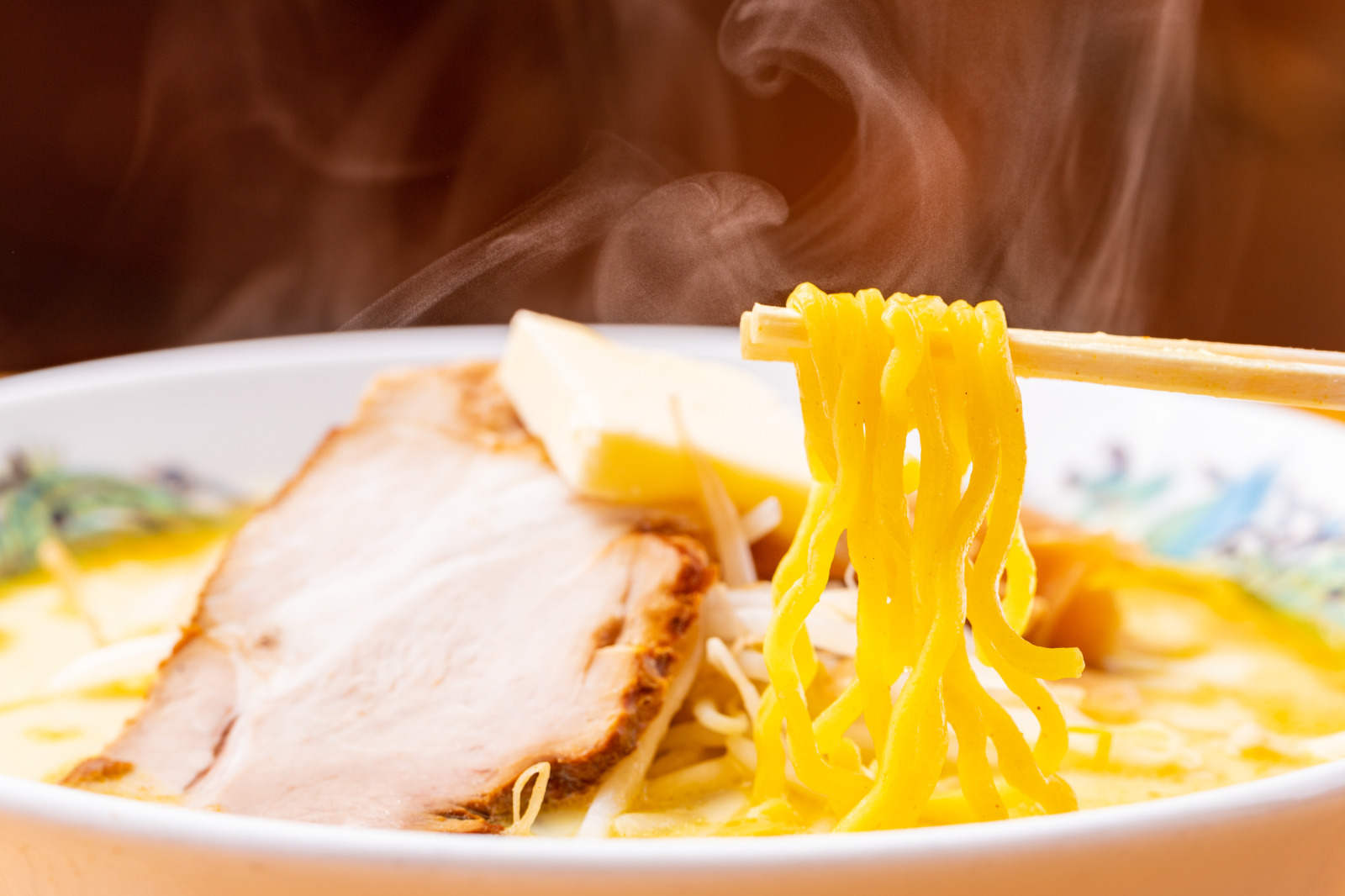
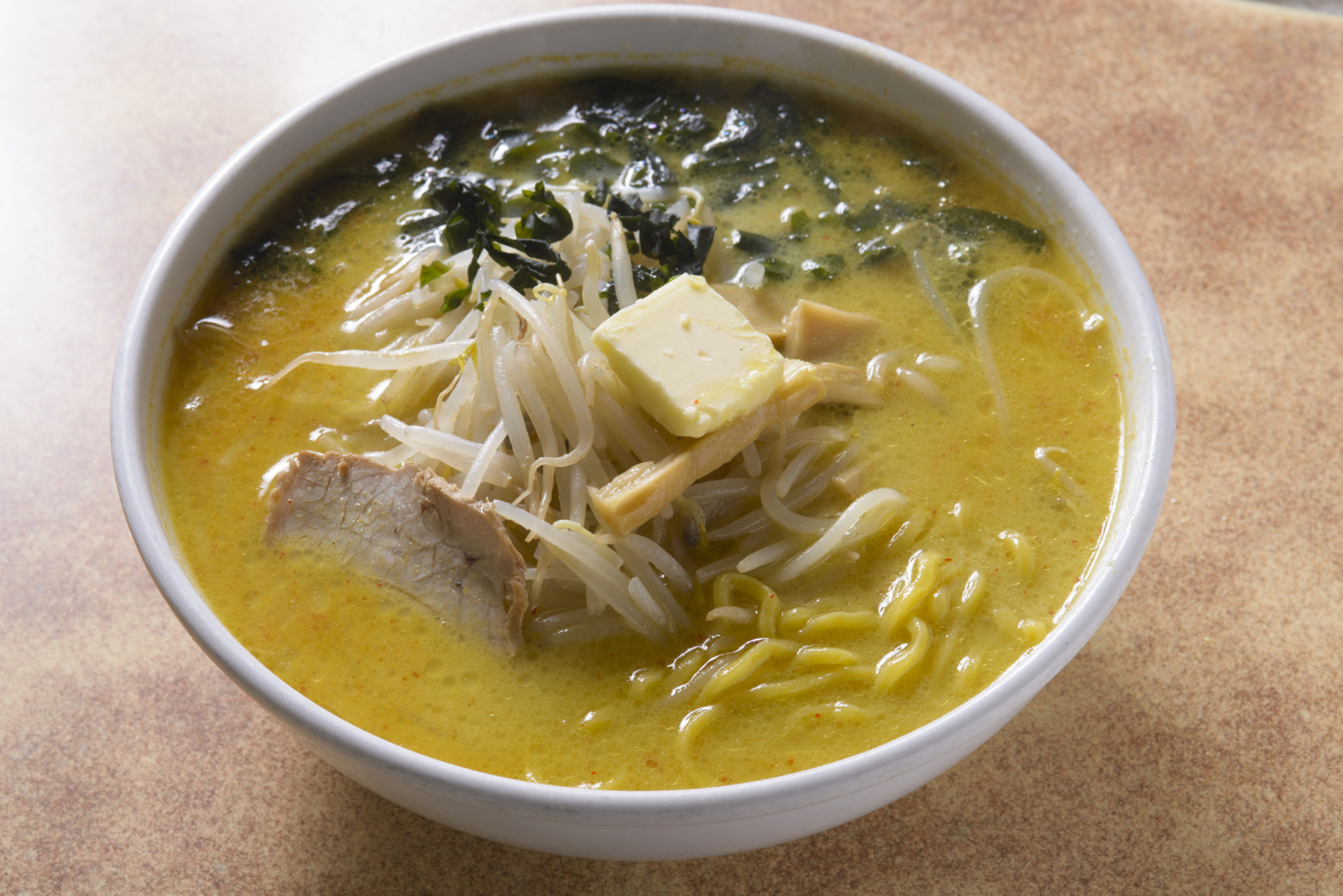
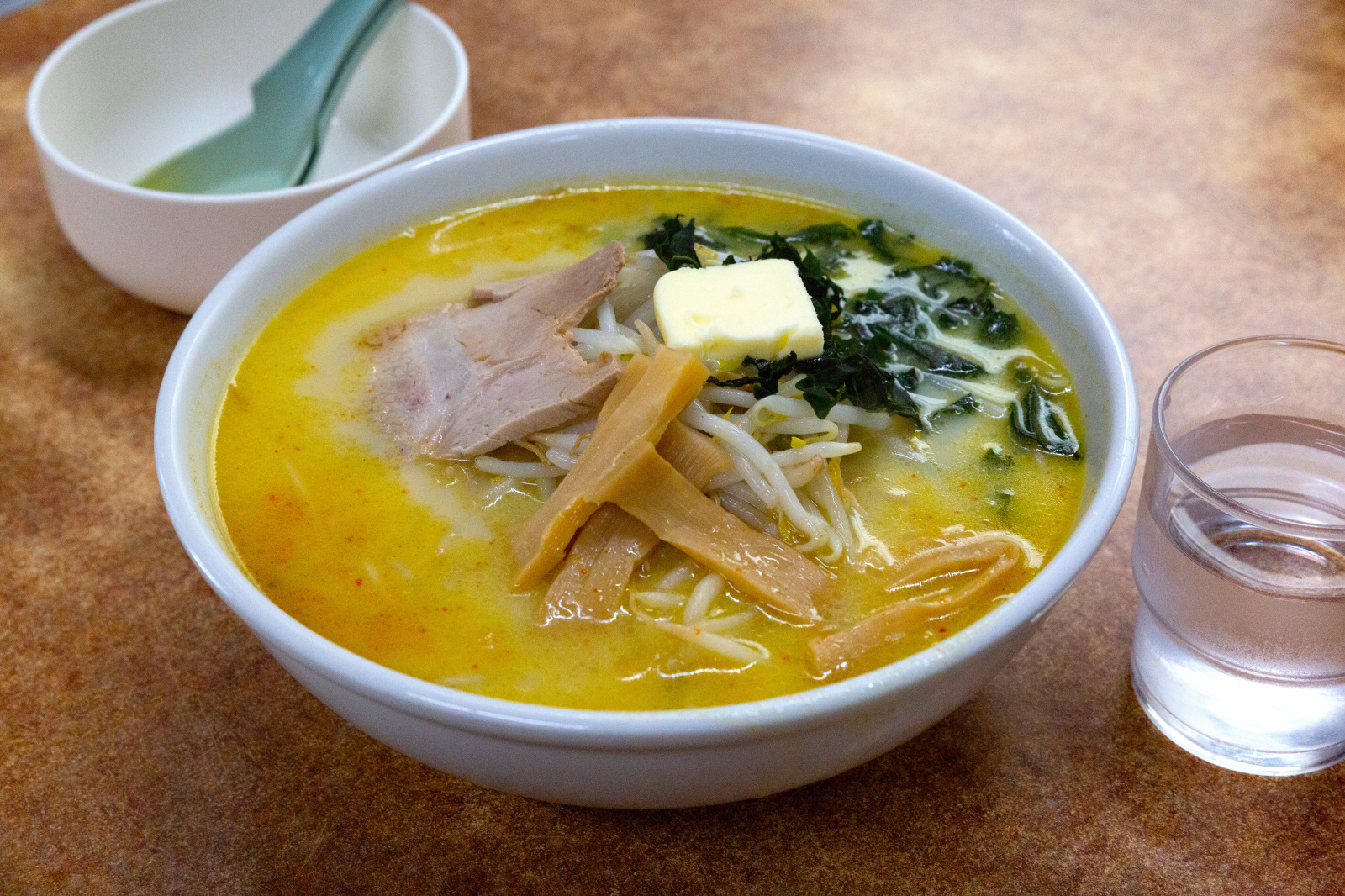
Miso-Curry-Milk Ramen was invented as part of a trend for adding various toppings to ramen noodles among local teenagers. Since then, it has become a beloved ramen dish in Aomori City, where it is served at a number of noodle shops, each with its own slightly different flavor. The broth blends the rich, full-bodied taste of miso with the creaminess of milk and the spiciness of curry, making it the perfect match for the chewy, medium-thick noodles, which have a distinctive yellowish color. The toppings include butter, bean sprouts, bamboo shoots, seaweed, and roasted pork slices, making this a hearty and filling dish.
Sembei-Jiru Soup (Hachinohe City)
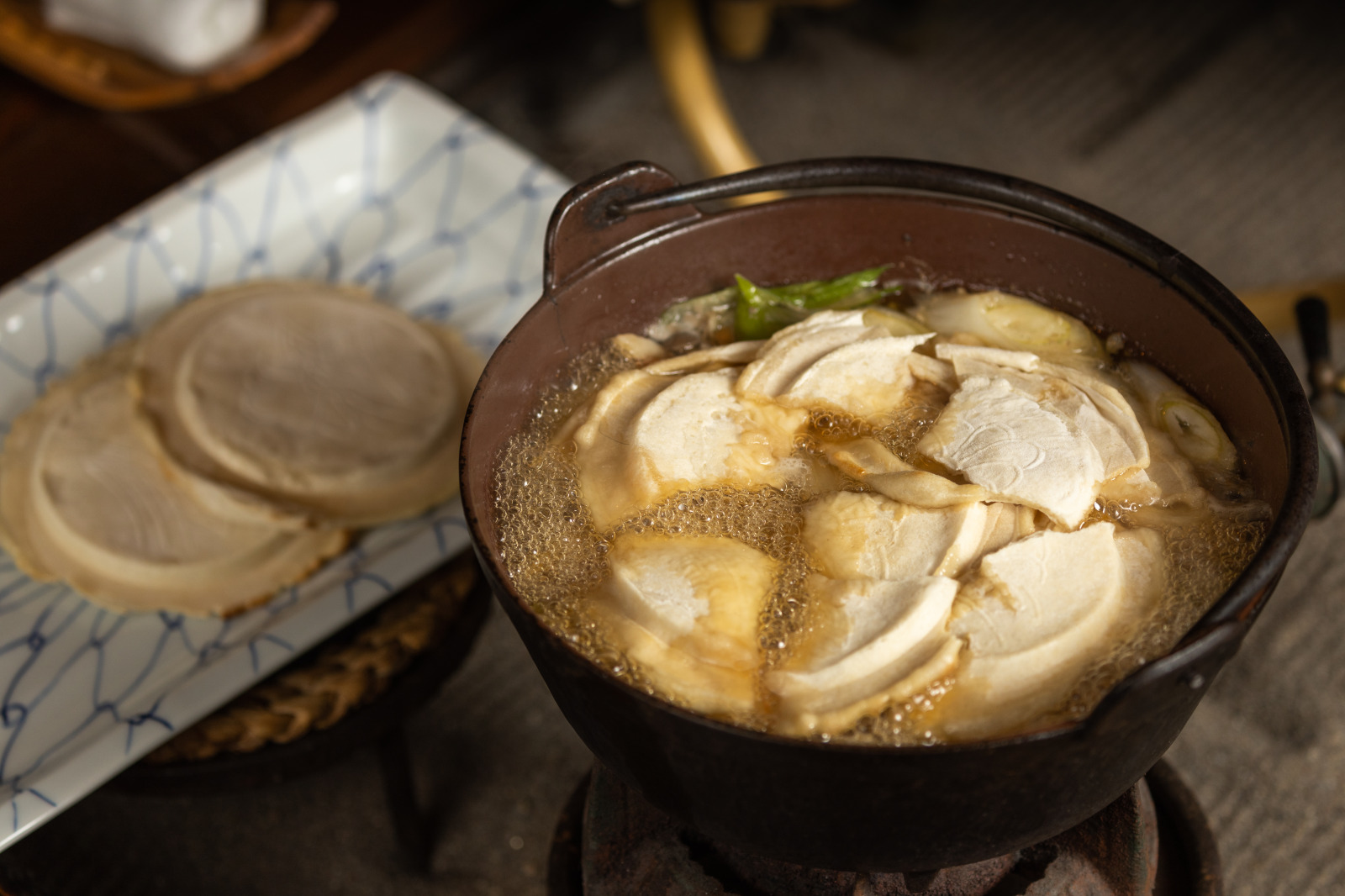
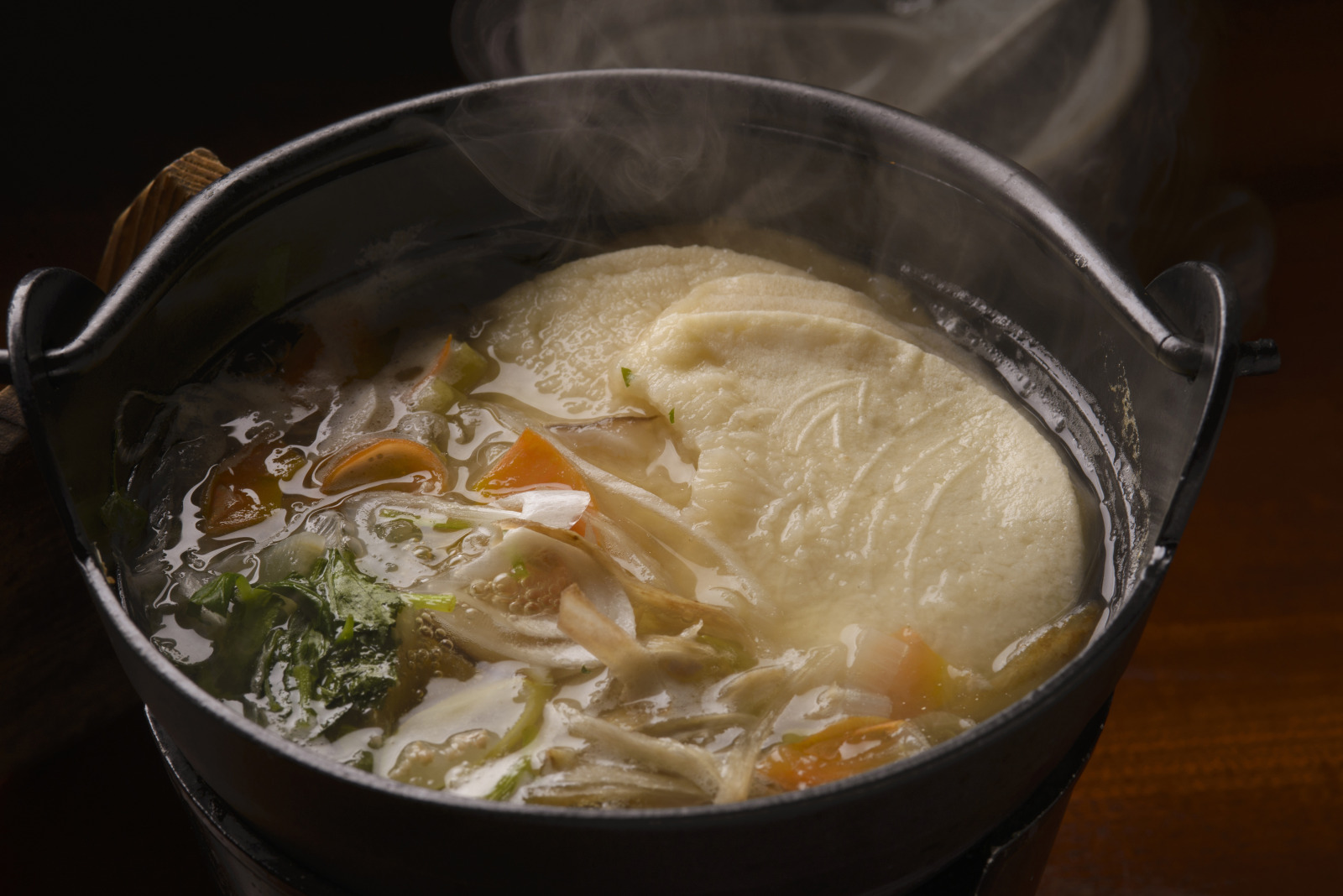
Nambu Sembei crackers, a traditional food of the Hachinohe region, are made from wheat flour, water, and salt kneaded into dough and then baked in a special iron mold. It is said they were once brought into battle by samurai as non-perishable rations thanks to their long shelf life. Sembei-Jiru is a soup consisting of Nambu Sembei crackers stewed with chicken and vegetables. The chewy crackers soak up the umami flavors of the chicken and vegetables from the broth, making this soup the perfect treat on cold days.
Kuroishi Yakisoba and Tsuyu Yakisoba Noodles (Kuroishi City)
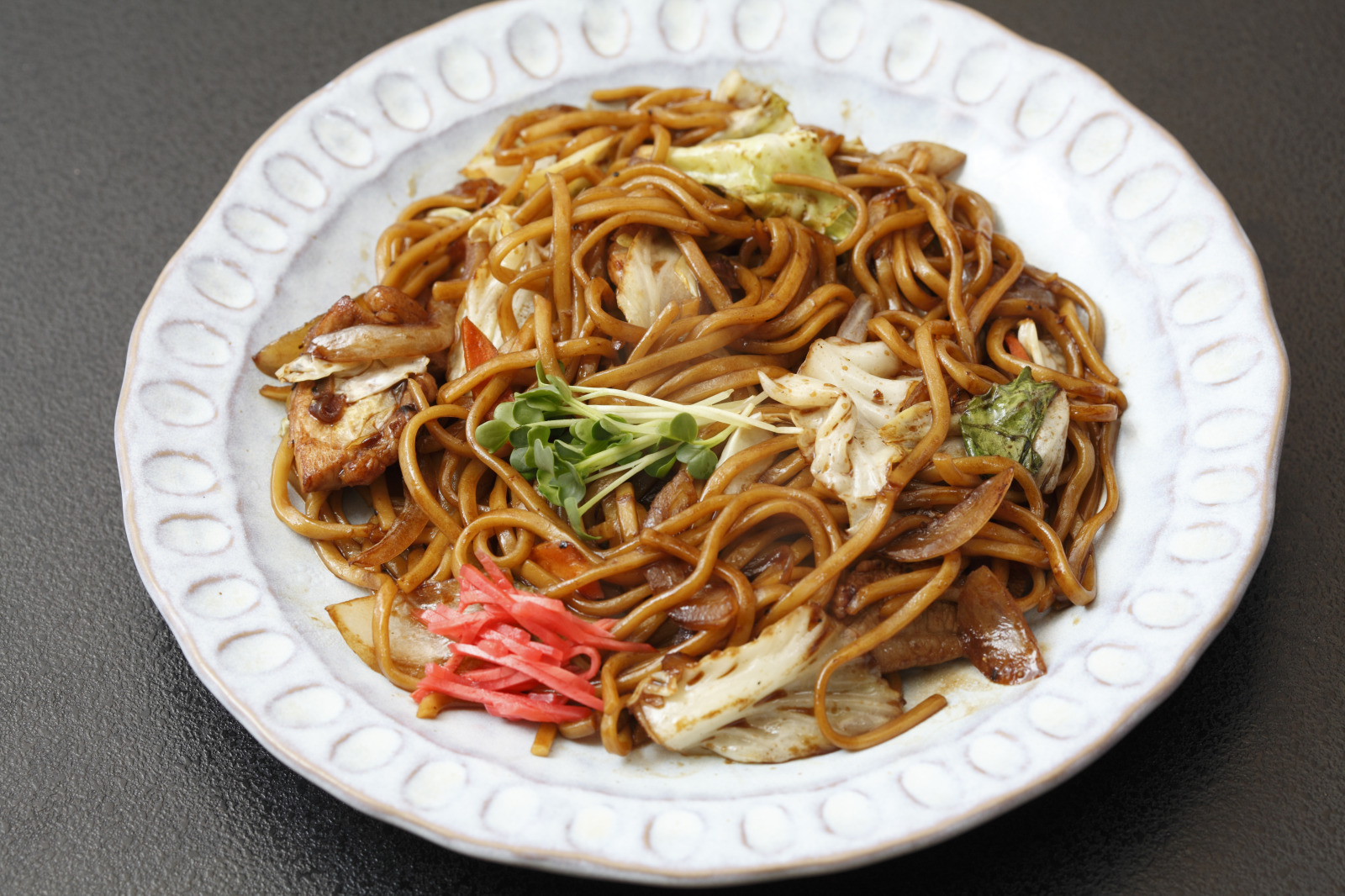
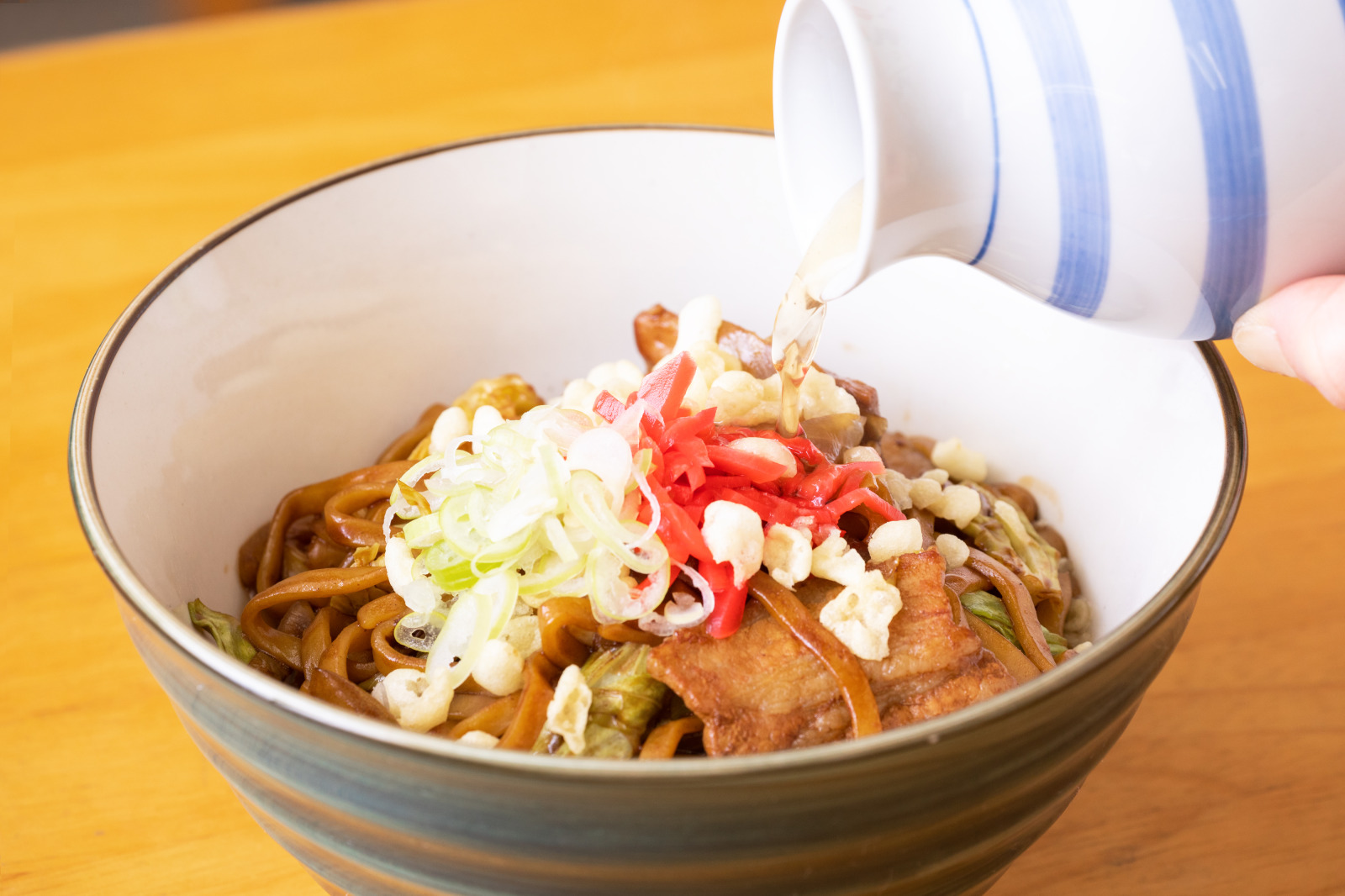
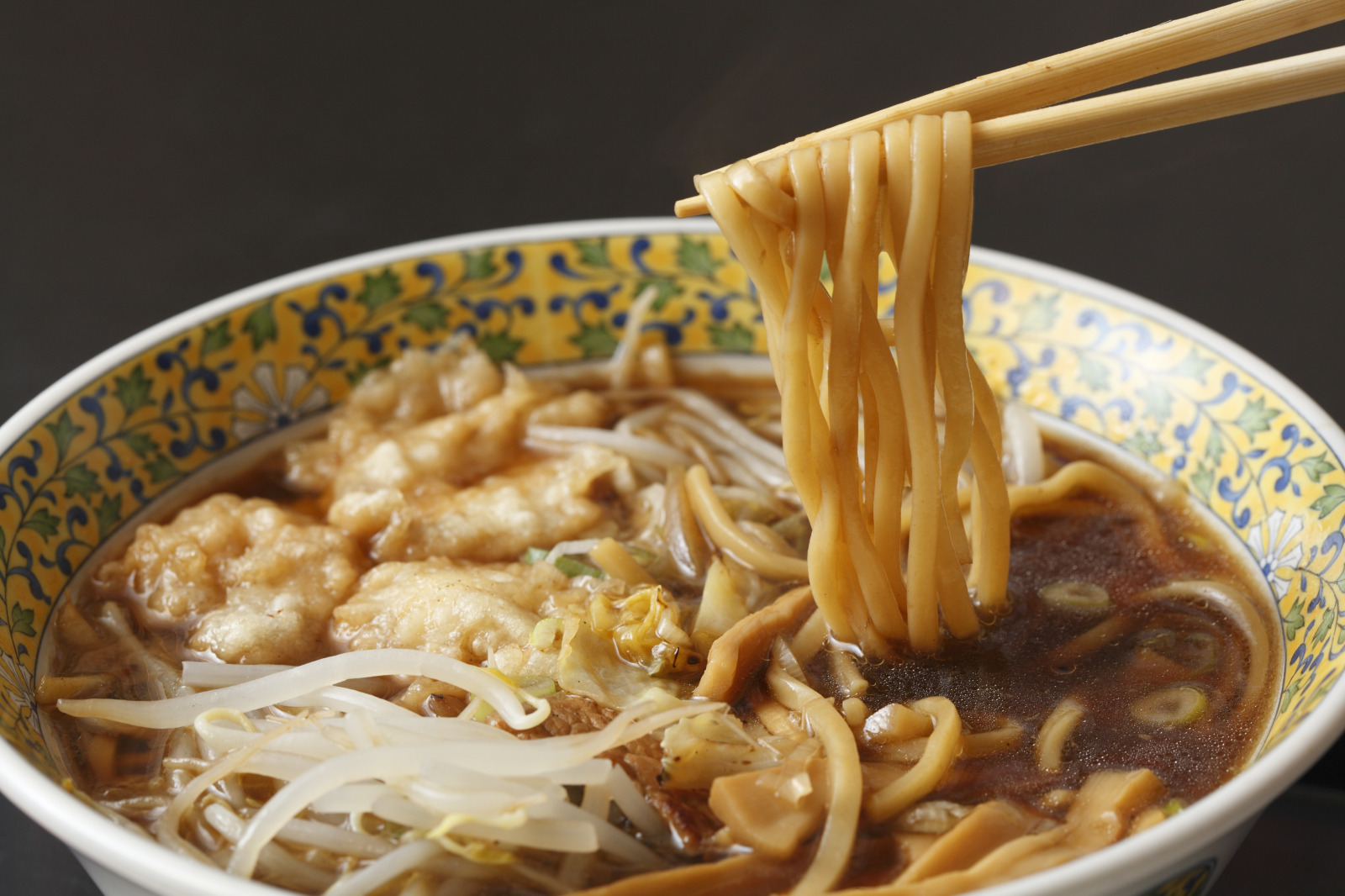
Kuroishi Yakisoba noodles were invented in the city of Kuroishi, which was long home to many noodle-making factories. As demand for yakisoba (Chinese-style fried noodles) increased following World War II, it is said that these factories tried to make yakisoba noodles as well but only had cutters for udon noodles. This resulted in the wider, flatter version of yakisoba noodles known as Kuroishi Yakisoba, which became a popular snack food in the city. Later, Kuroishi Tsuyu Yakisoba was born when people began pouring hot broth (tsuyu) over the noodles. Usually topped with chopped leeks and bits of fried tempura batter, the tangy taste of the broth goes well with the chewy texture of the noodles.
Hirosaki Igamenchi Patties (Hirosaki City)
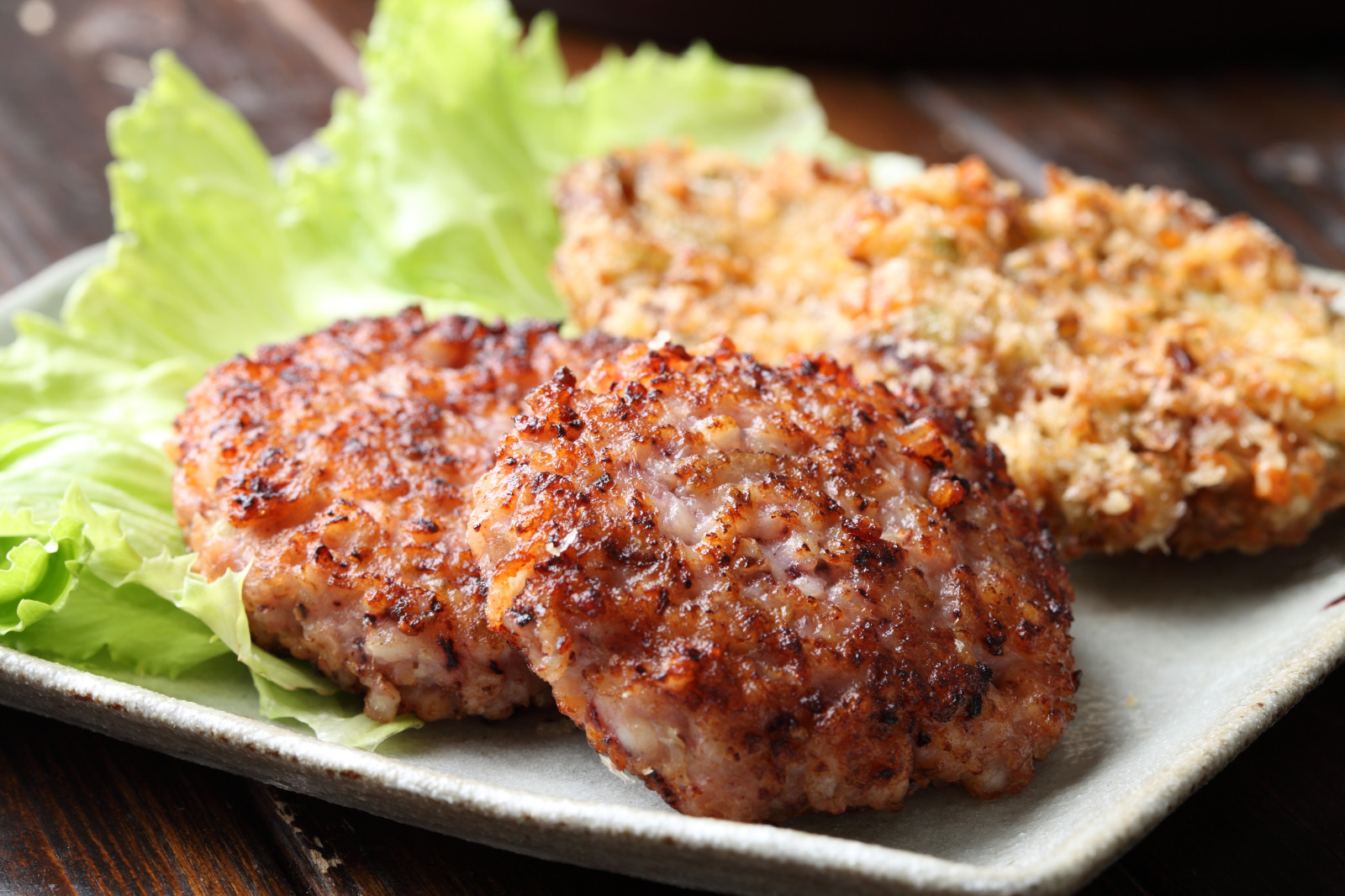
Since the city of Hirosaki is located inland, in the days before the advent of refrigerated trucking, seafood was more expensive and harder to come by than along the coast. Thus, Hirosaki Igamenchi was devised by the thrifty housewives of Hirosaki as a way to use up all the parts of squid, a precious food, without wasting them. These patties of squid tentacles and seasonal vegetables fried in batter remain a beloved local comfort food to this day. The name means “minced squid” (standard Japanese: ika) in the Tsugaru dialect.
Part 2: Popular Local Sake
What makes Aomori’s sake so delicious? Brewing excellent sake depends on clean natural water and high-quality rice, which both abound in Aomori Prefecture. Pure snowmelt flows from the Hakkoda and Shirakami Mountains, and the rich soil of Aomori is suited to growing brewer’s rice, a type of rice with a high starch content and low protein content ideal for sake brewing. These components of fine sake are on full display in the following local brands.
Denshu (Aomori City)
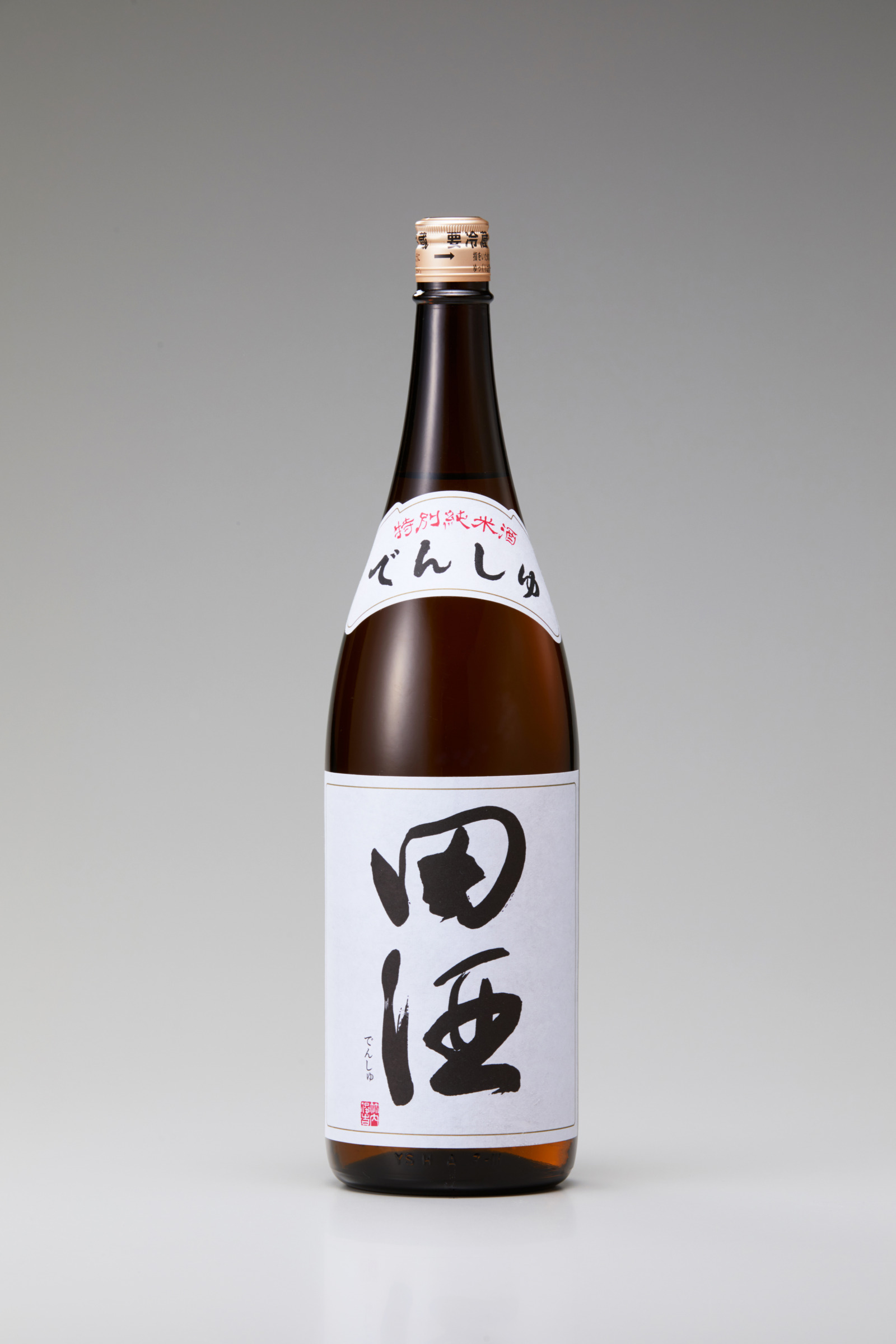
One of Aomori’s most well-known brands, this sake is made by Nishida Shuzoten in Aomori City, a brewer committed to additive-free sake and traditional brewing methods. Denshu has drawn a devoted following all over Japan for its smooth and light-bodied yet flavorful taste. It’s an iconic product that has become almost synonymous with “Aomori sake” but is surprisingly hard to find outside the prefecture despite persistently high demand.
Mutsu Hassen (Hachinohe City)
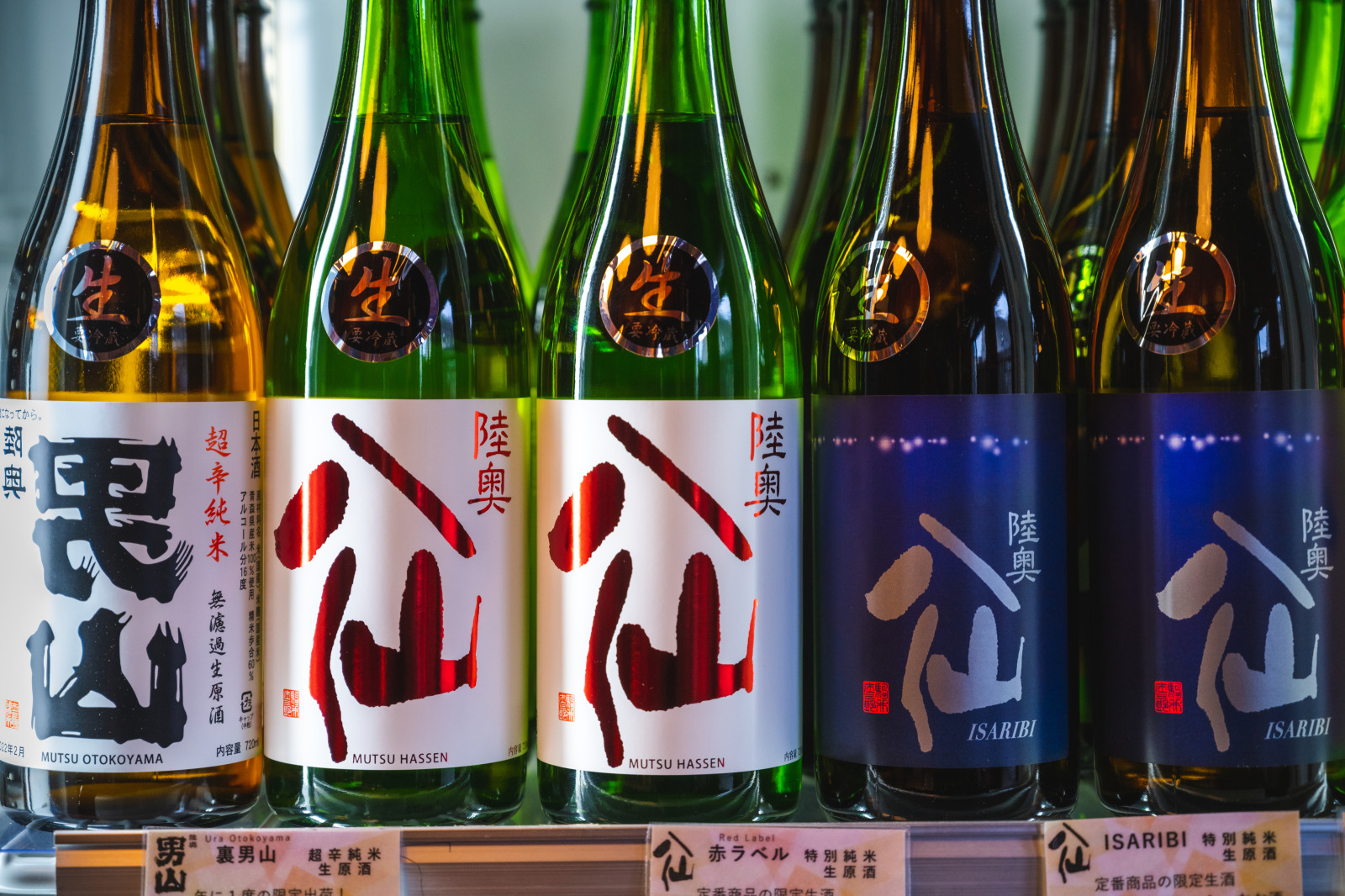
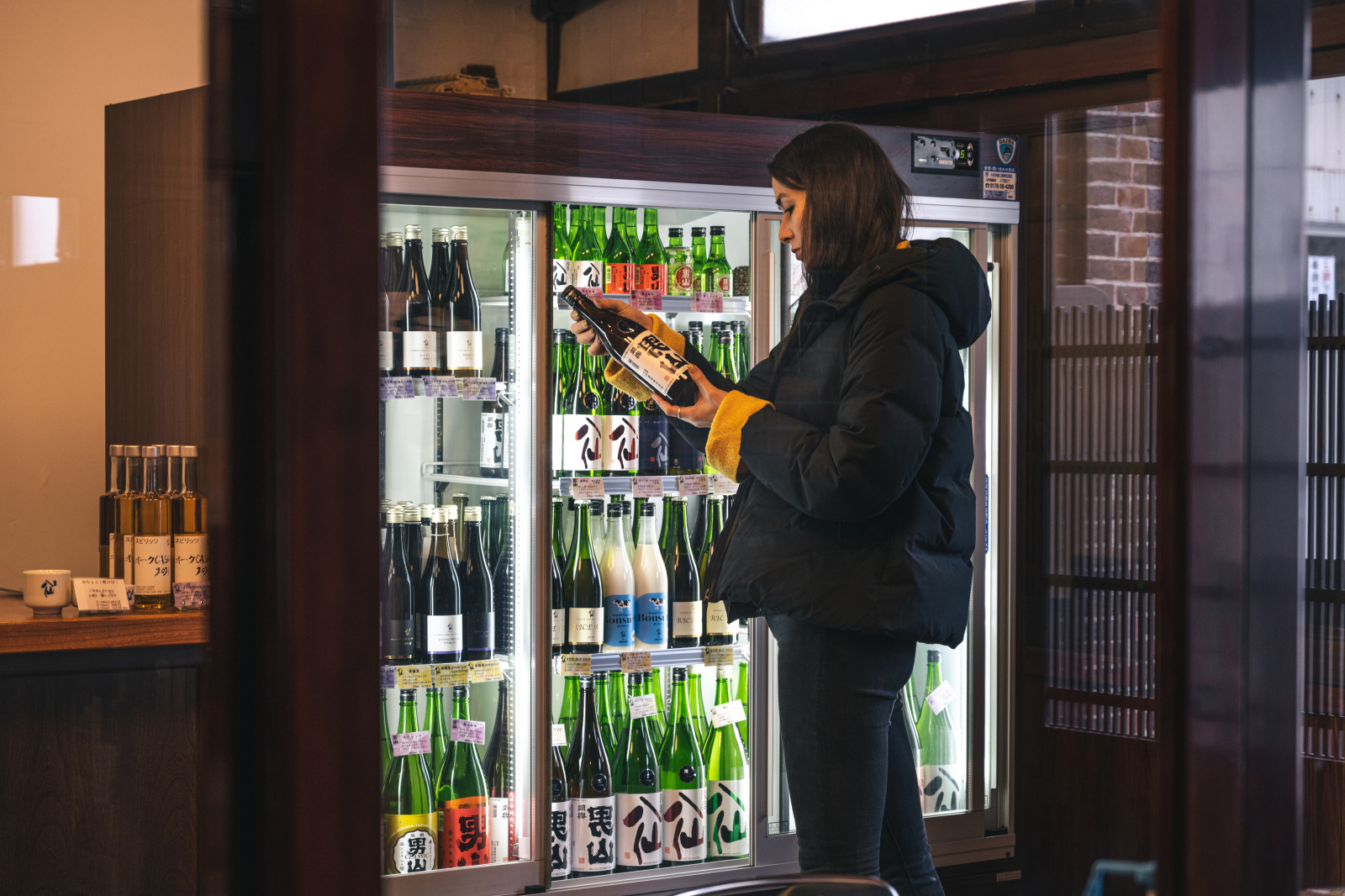
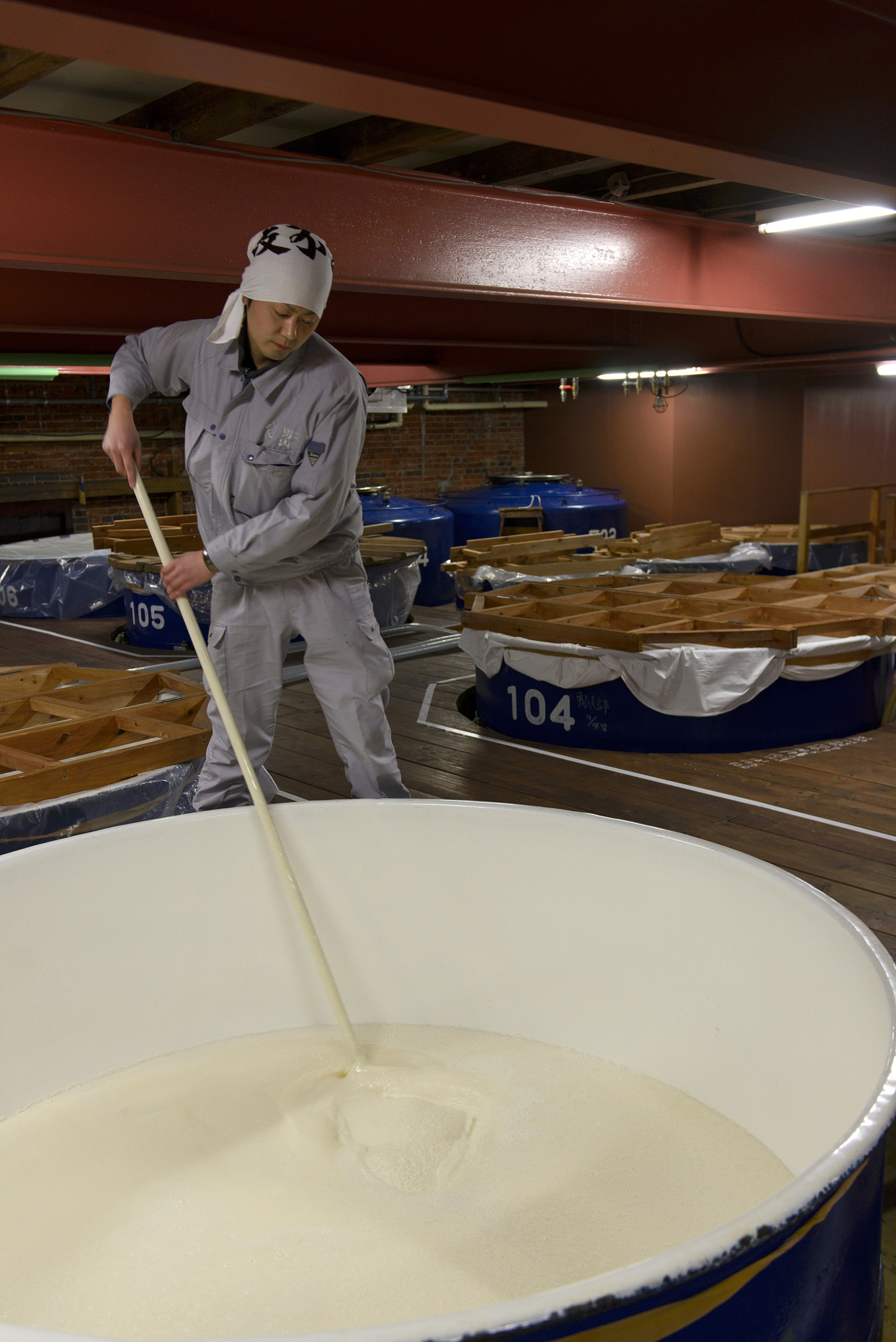
This brand of sake featuring a rich, fruity aroma and fresh taste is made by Hachinohe Shuzo, a veteran brewery established in 1775 that prides itself on health-conscious and environmentally friendly sake made from Aomori-grown organic rice and yeast. The brewery complex with its brick, wooden, and earthen buildings located in Hachinohe City is a nationally designated cultural property. In addition to tasting sessions at the tasting counter, brewery tours are available upon reservation for a fee.
Hohai (Hirosaki City)
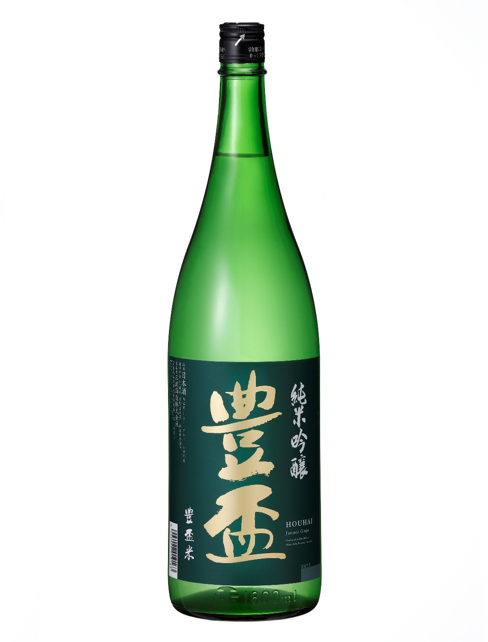
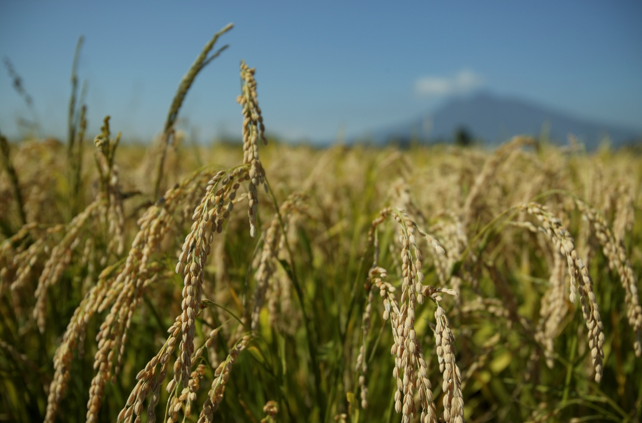
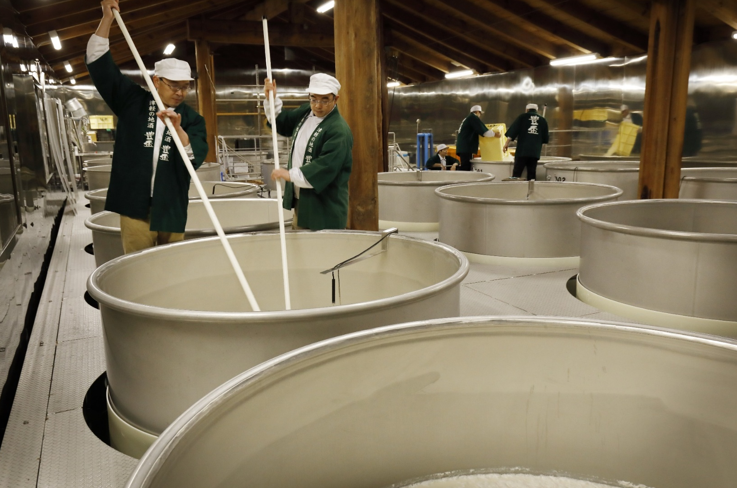
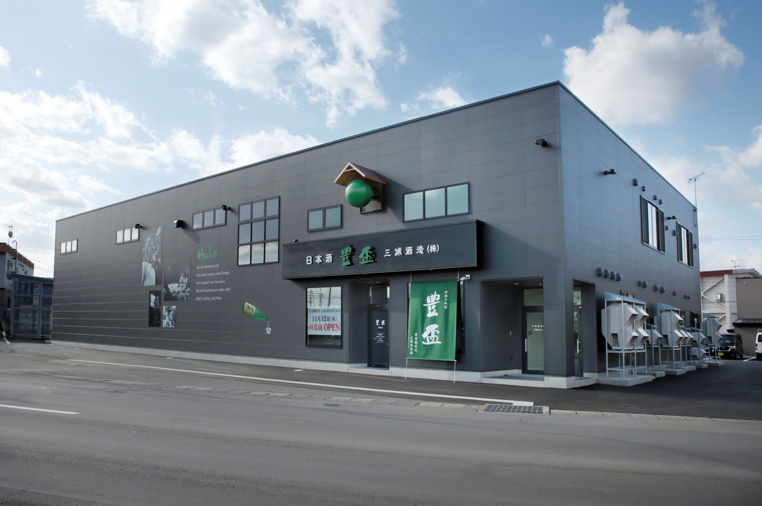
This brand is brewed by Miura Shuzo in Hirosaki City using Hohai-mai, a variety of brewer’s rice specially developed in Aomori, and underground spring water from Mount Iwaki, which looms behind the brewery. It is described as having a fresh, sweet, and slightly acidic taste reminiscent of a Tsugaru apple.
Joku (Gonohe Town)
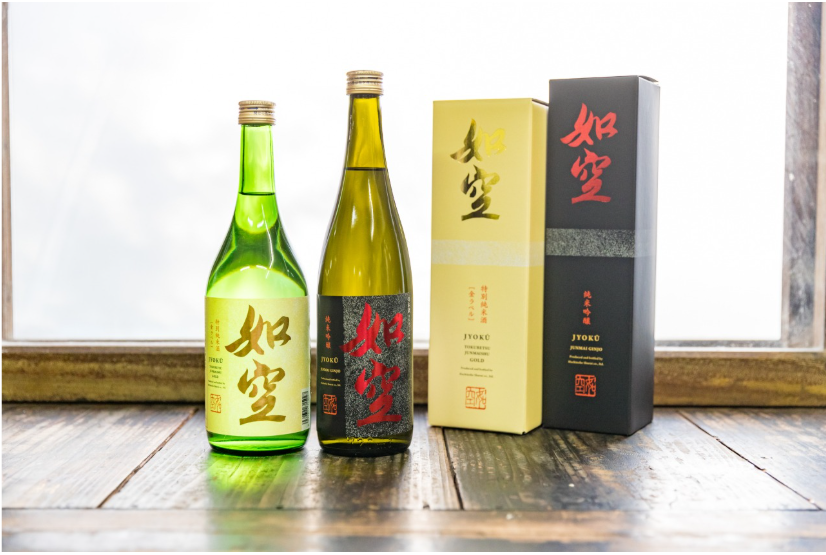
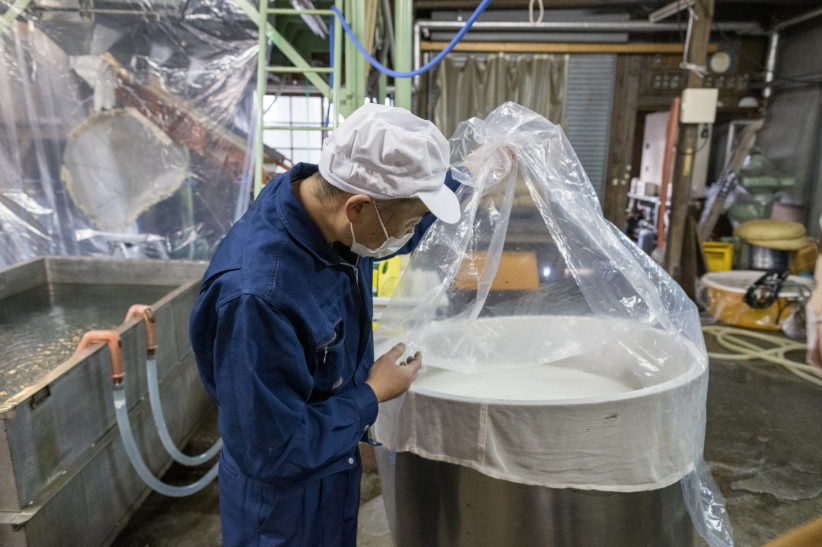
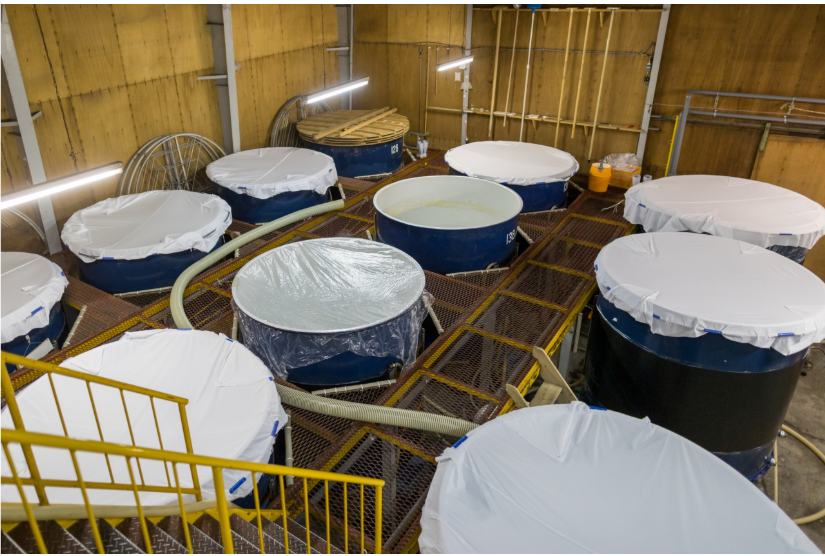
This award-winning brand of sake with a clean, fragrant, and umami-rich taste is made by the historic brewer Hachinohe Shurui at its factory in Gonohe Town. The brewery also has an outlet store in Hachinohe City where you can purchase or taste various brands of its sake and even buy traditional sake vessels such as ochoko cups.
Hato Masamune (Towada City)
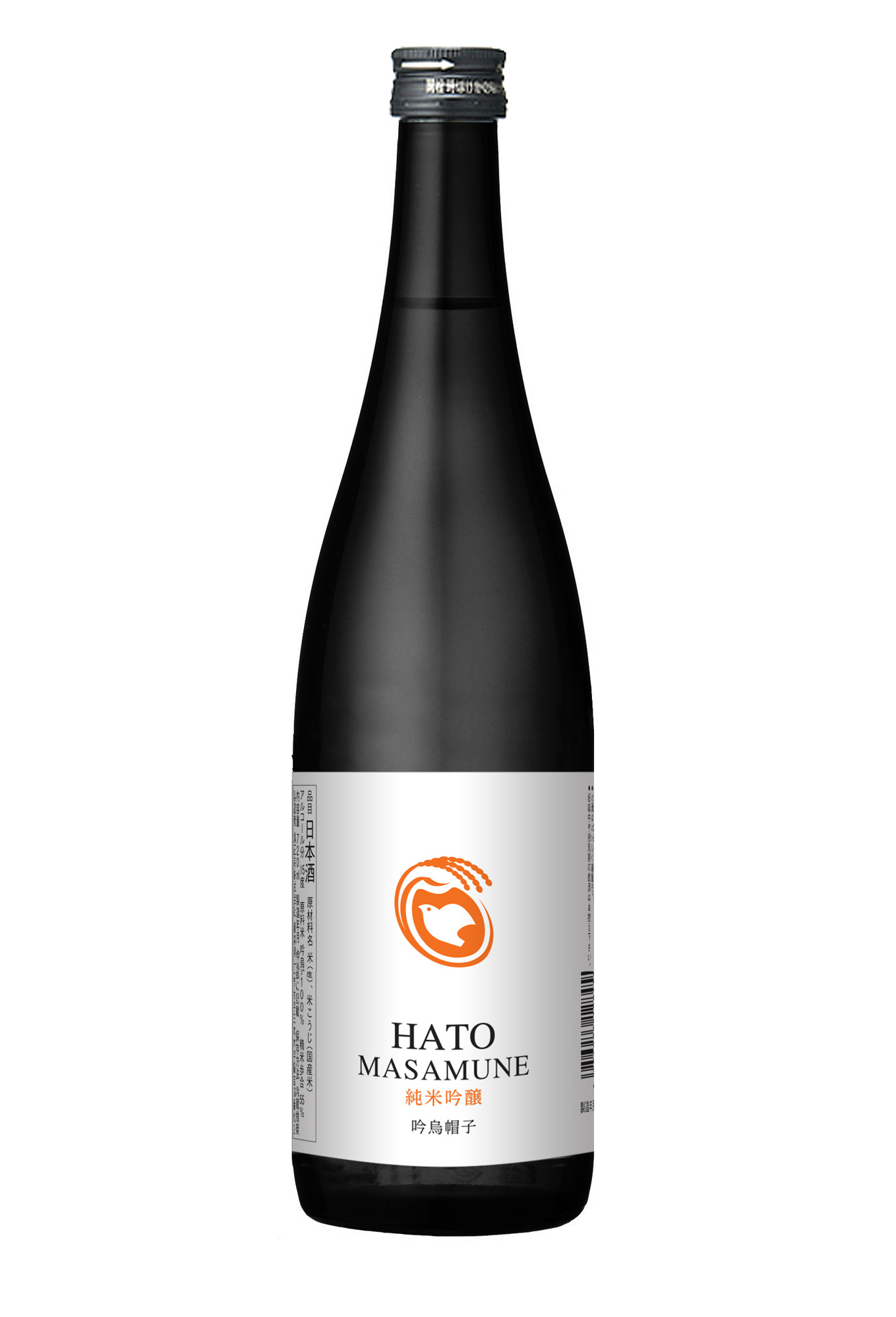
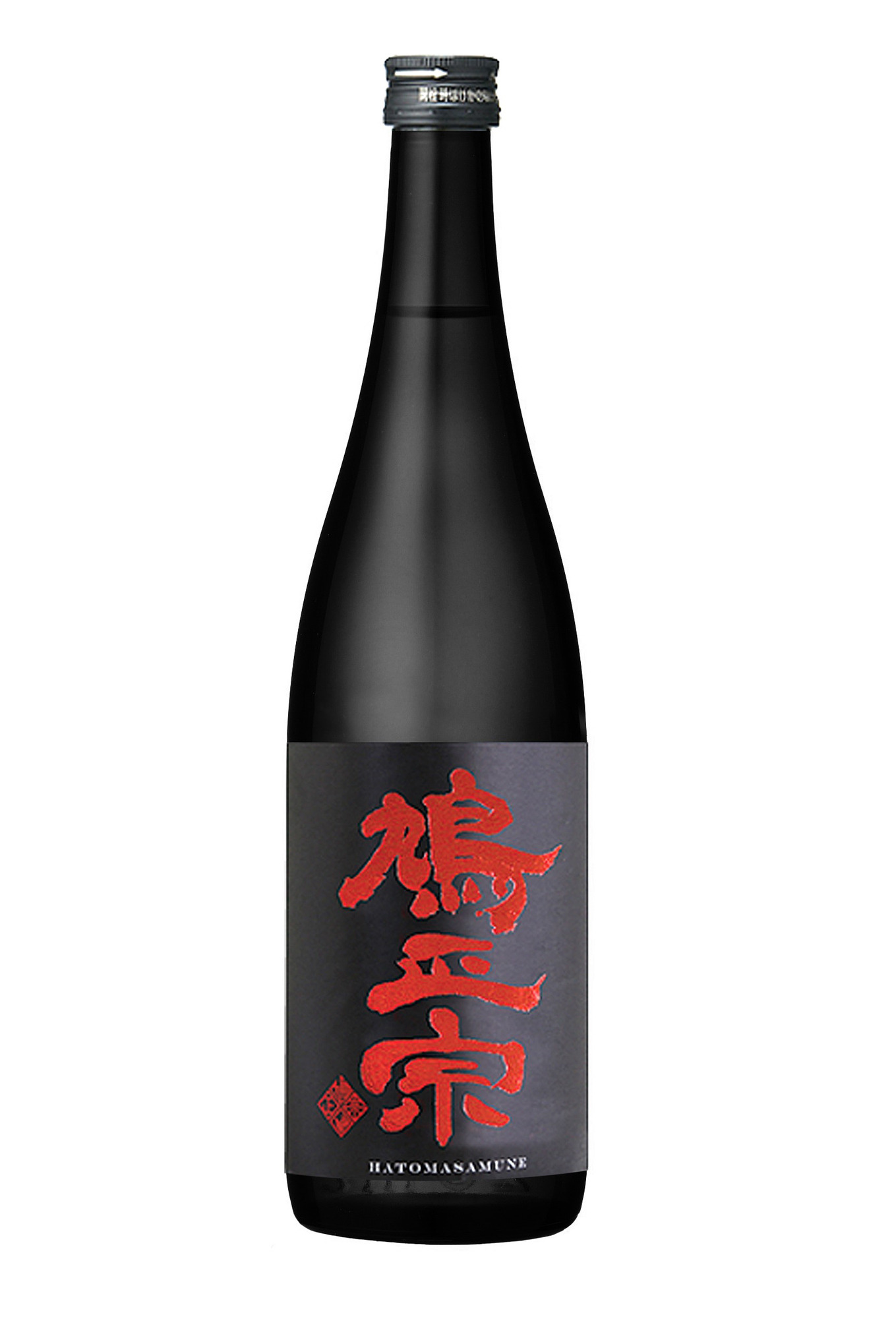
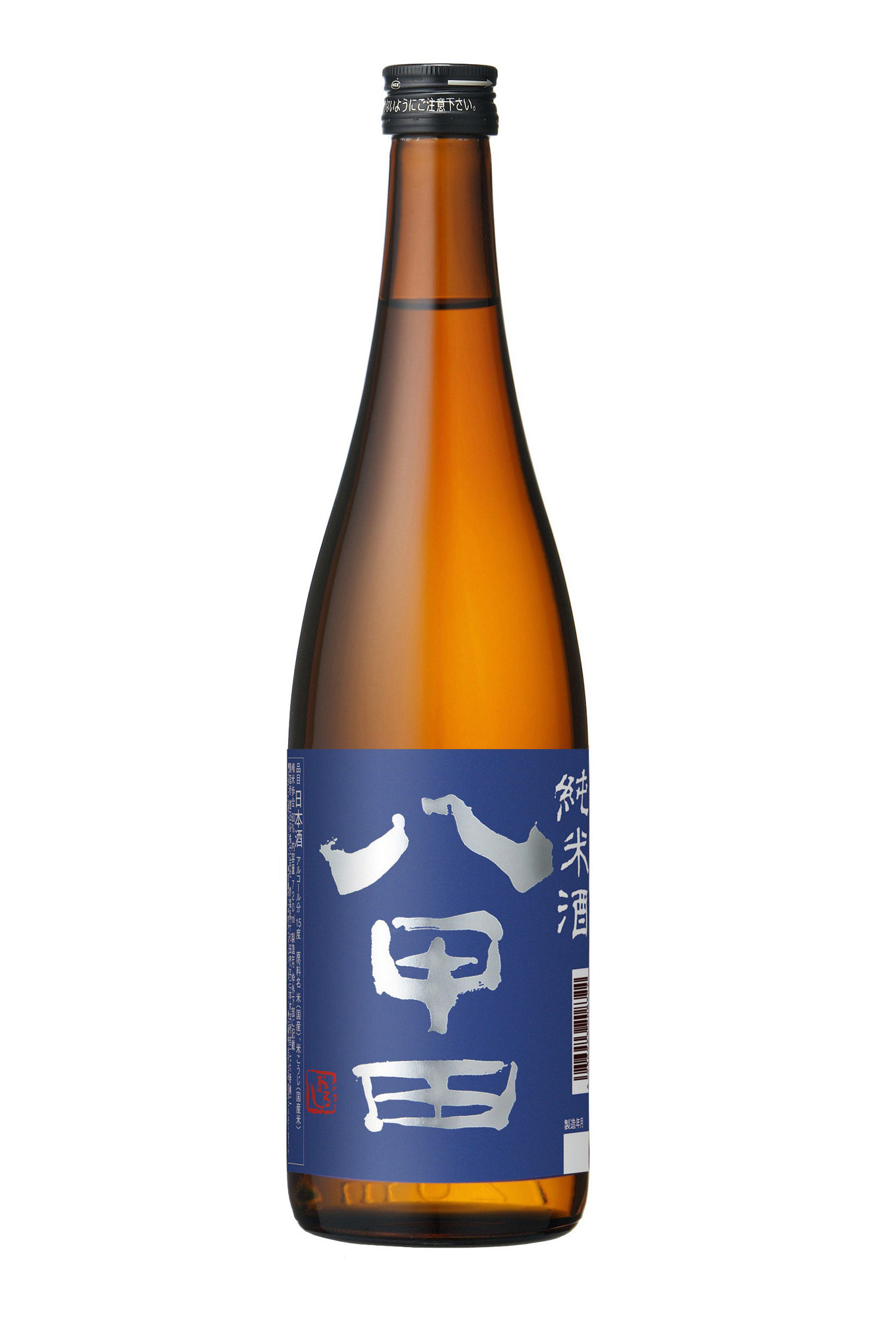
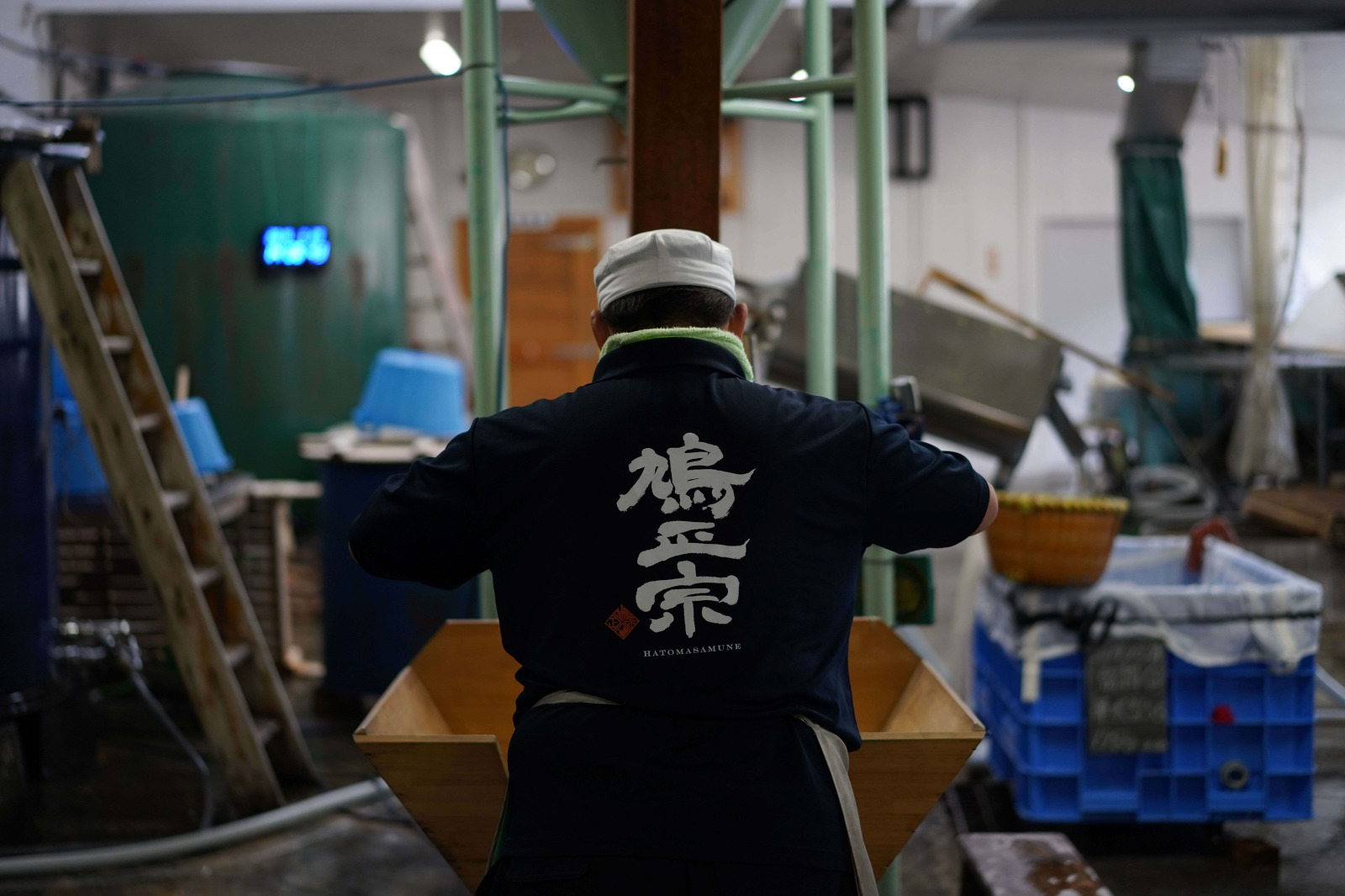
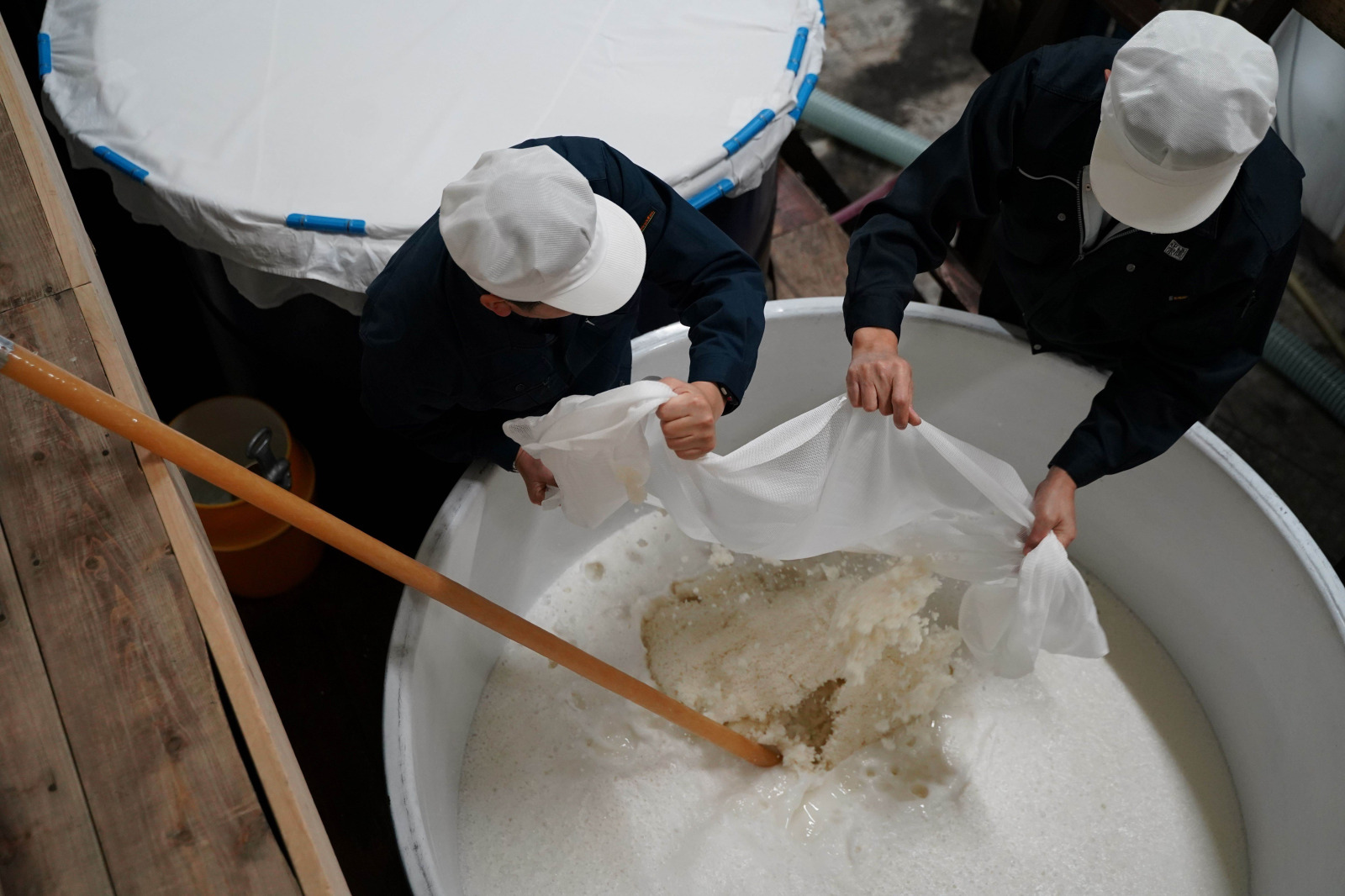
Made with locally grown rice and underground spring water, this sake is the flagship brand of the brewer by the same name located in Towada City. Creative seasonal varieties include a special craft sake brewed using apple yeast. Hato means “dove,” a reference to a white dove that allegedly flew into the brewery and took up residence in its household shrine, becoming the brewery’s patron deity.
No matter where in Aomori Prefecture your journey takes you, you’re sure to find delicious and unique local foods and sake that will elevate your enjoyment of your trip and leave you craving more!