Travelogue:
Aomori City in February – Finding Warmth and Beauty in the Depth of Winter
By Lillian Androphy

Touching down at Aomori Airport in the middle of a blizzard, I initially wondered what I’d gotten myself into. Although I’d visited Aomori numerous times before in the summer and autumn, this was my first visit in the snowy season, and I couldn’t imagine what awaited me in the world of white that stretched out in every direction. But as it turned out, winter in Aomori is filled with light, color, and charm that make it more than worth a winter trip.
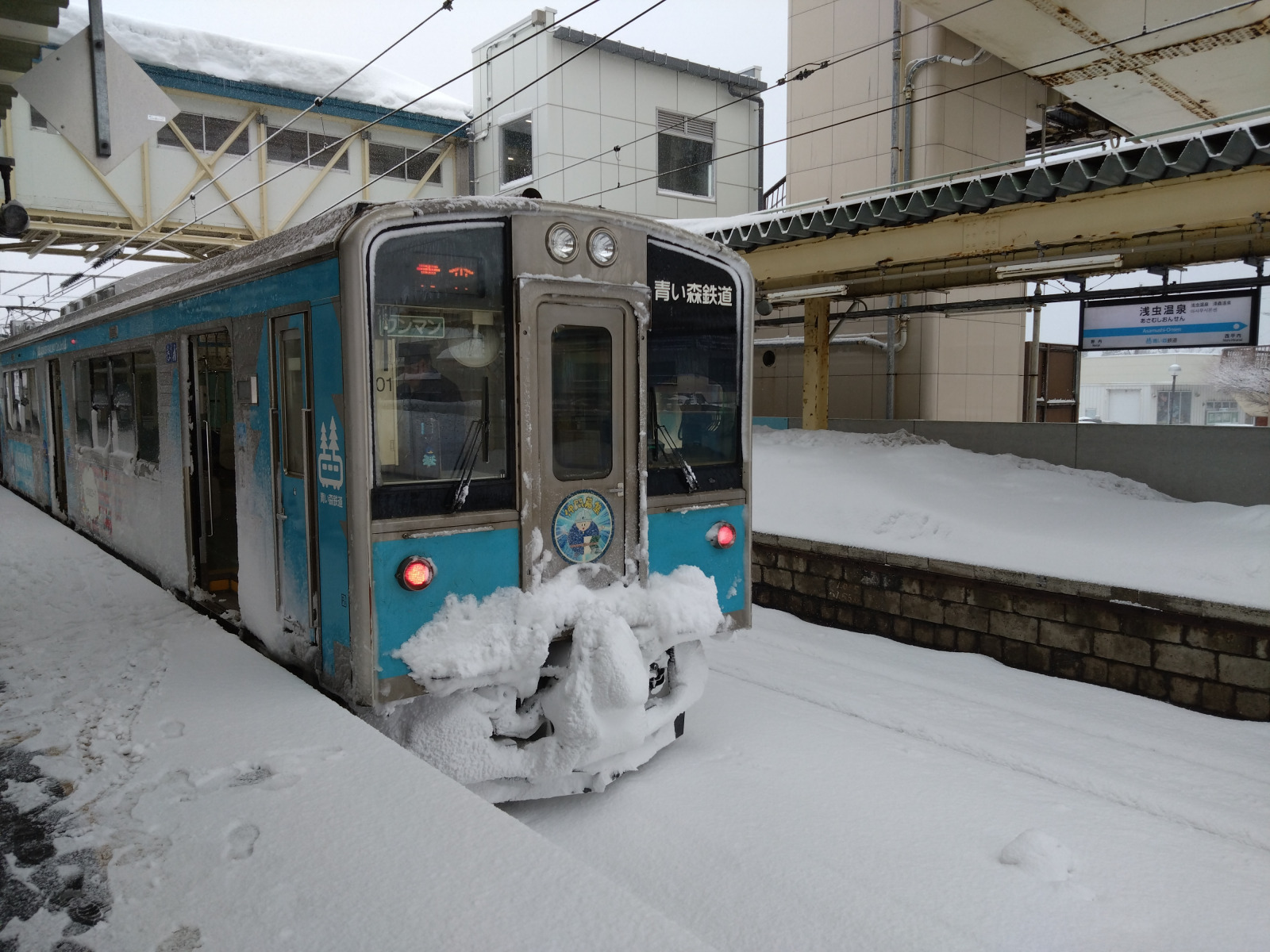
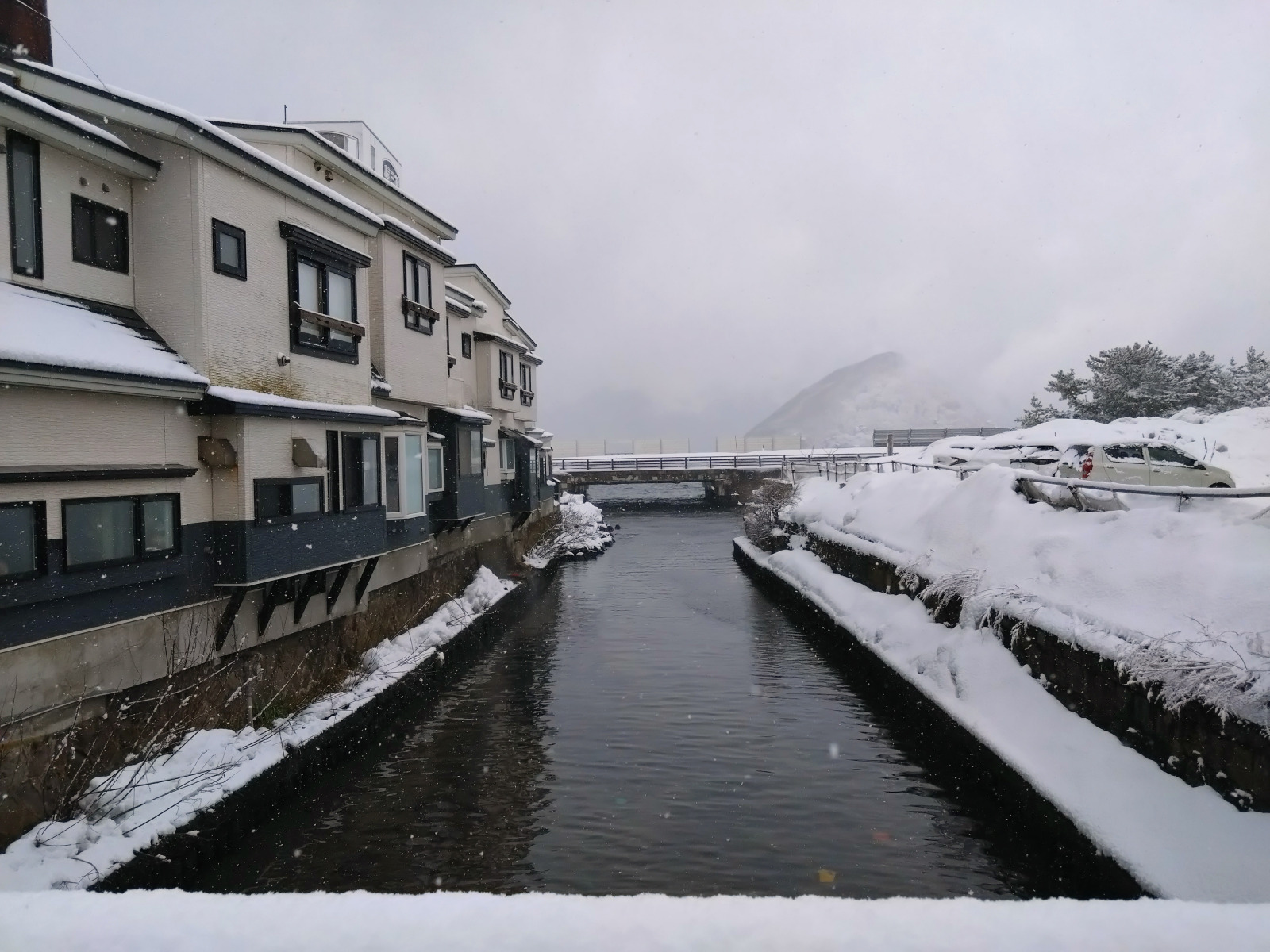
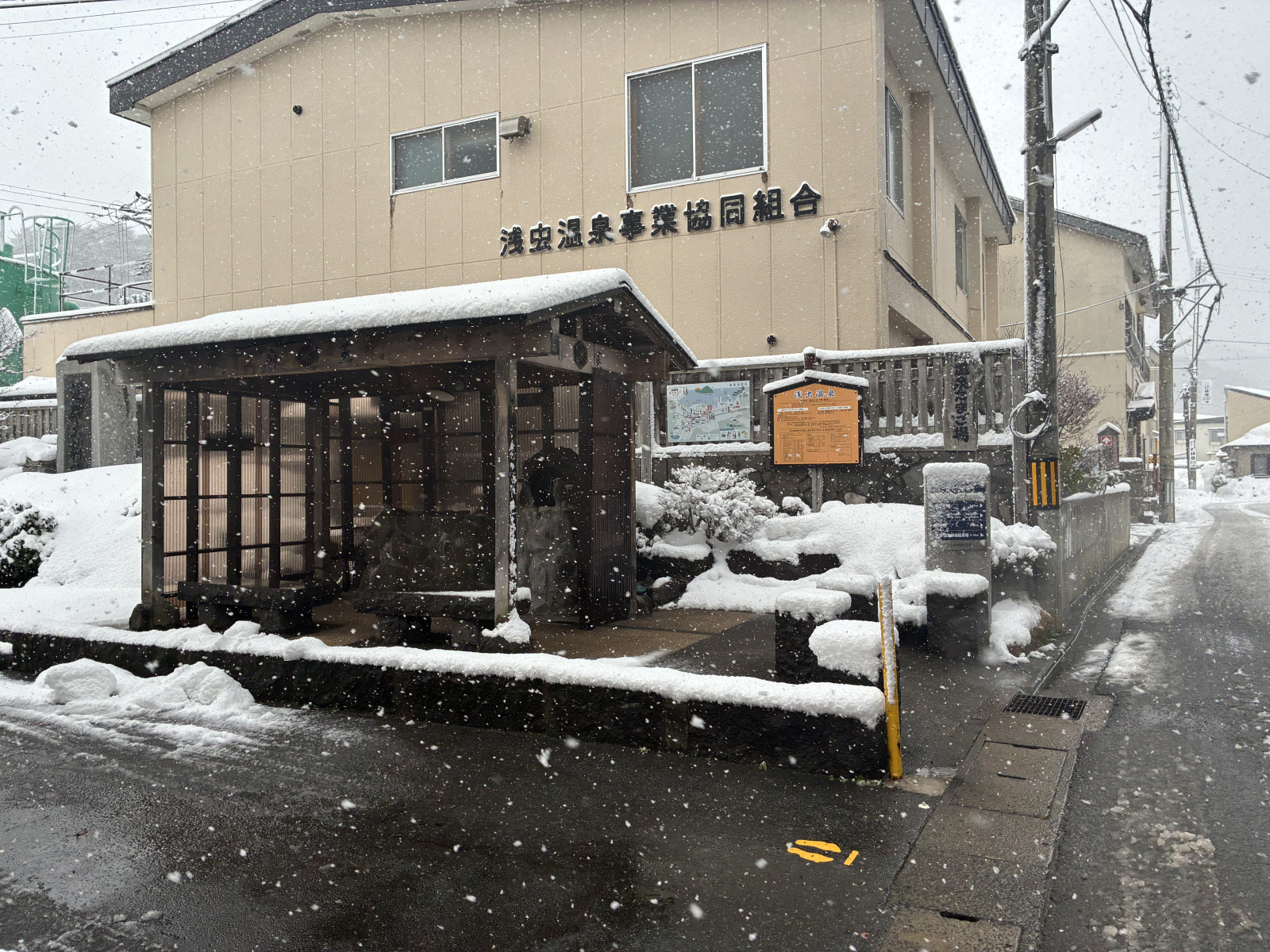
My journey began with a short ride on the Aoimori Railway to the coastal hot-spring village of Asamushi Onsen. Bustling with beachgoers in summer, the snow-blanketed streets of the seaside town had a quieter but no less charming ambience in winter. Occasional breaks in the blizzard offered views of Mutsu Bay and the nearby Yunoshima Island in the distance as I set out for the town’s free public footbath and hot-spring drinking fountain. Here, visitors can also enjoy another activity: poaching eggs just by dipping them in hot-spring water.
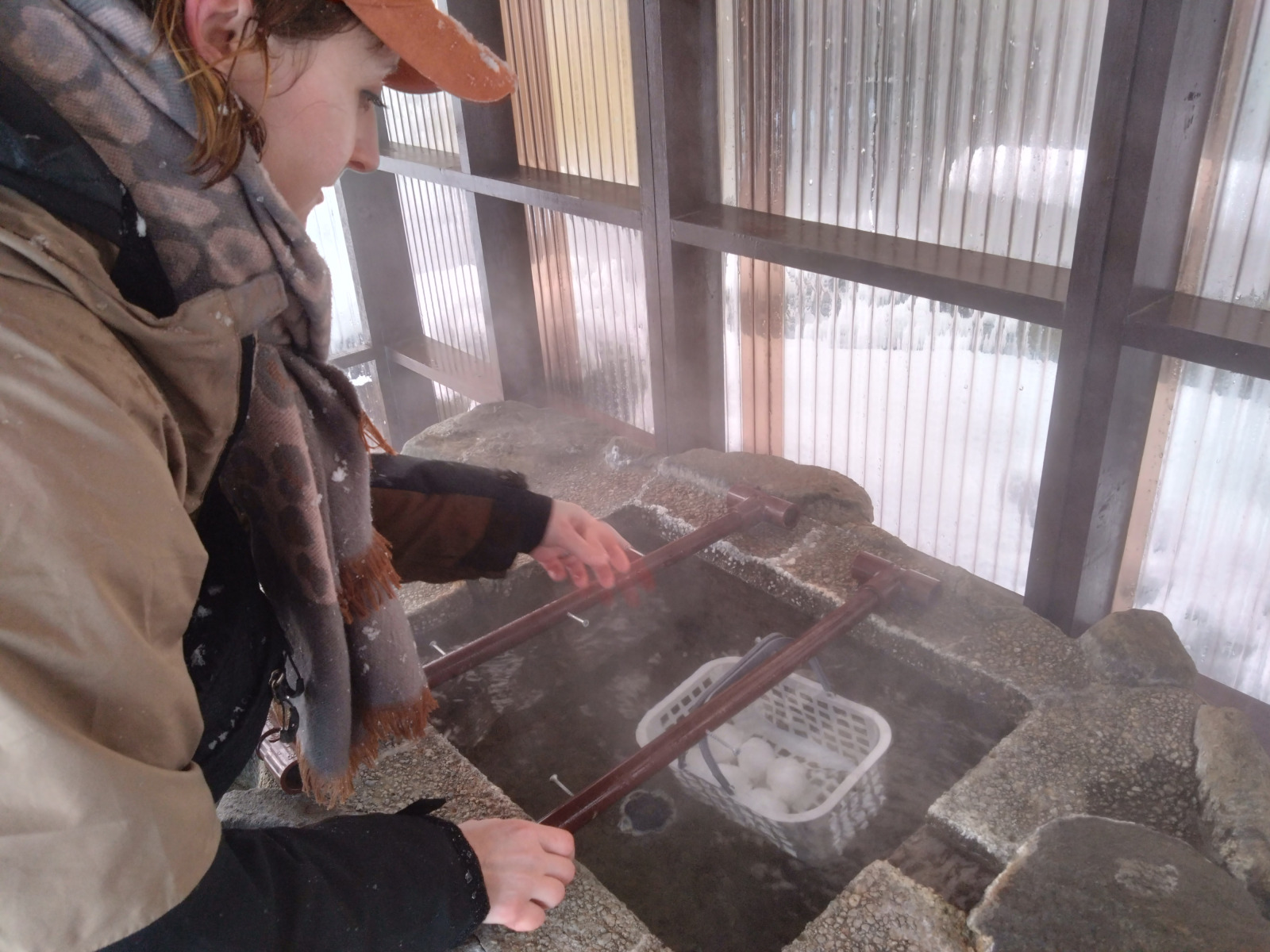
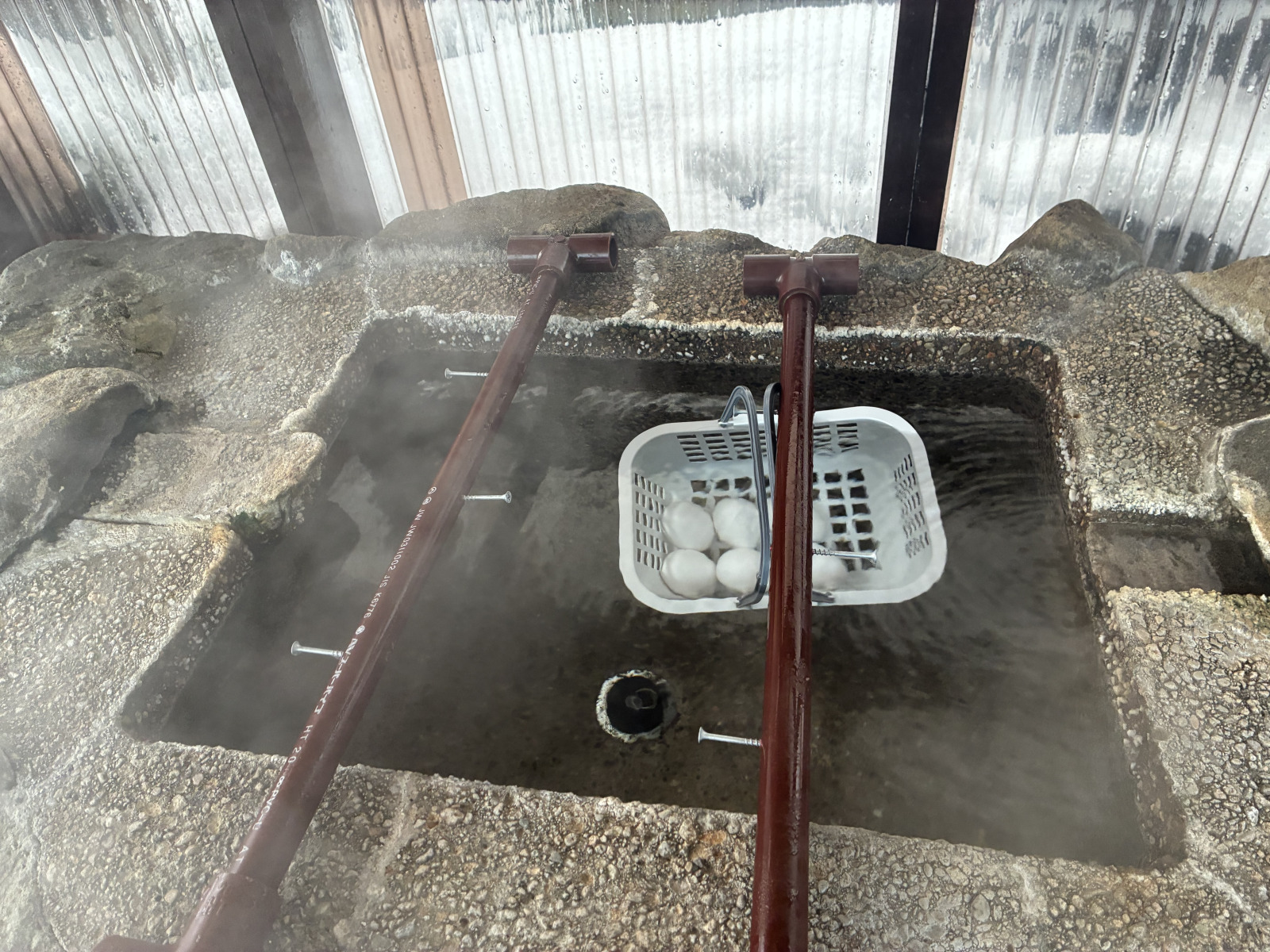
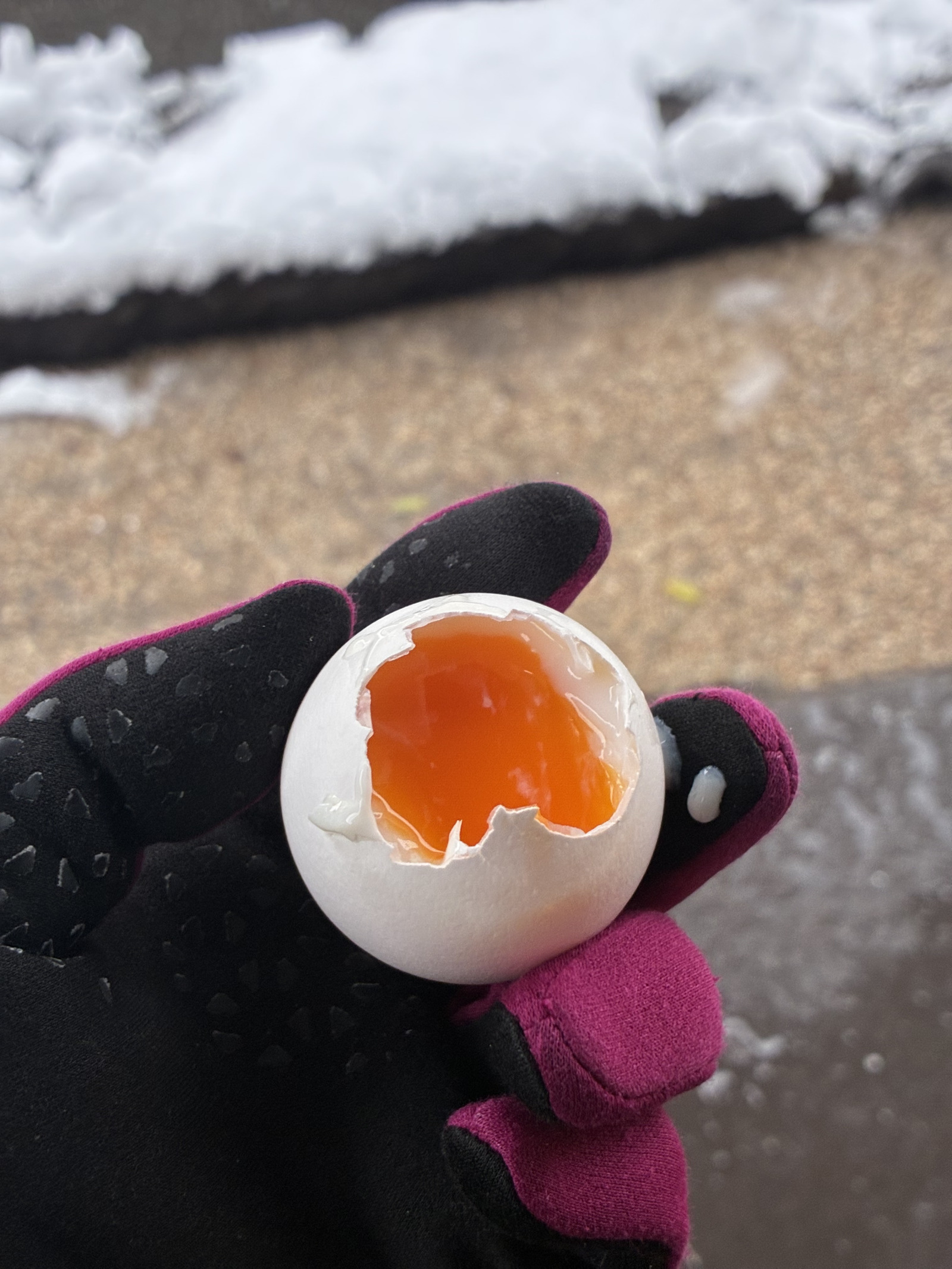
Eggs can be purchased yourself at the pudding shop next door (note the frequent regular closures in winter) or a convenience store. After about twenty minutes, the eggs were perfectly poached to a custard-like texture. The mineral-rich hot-spring water infused them with a subtle umami flavor, so they didn’t even need salt and tasted delicious all on their own.
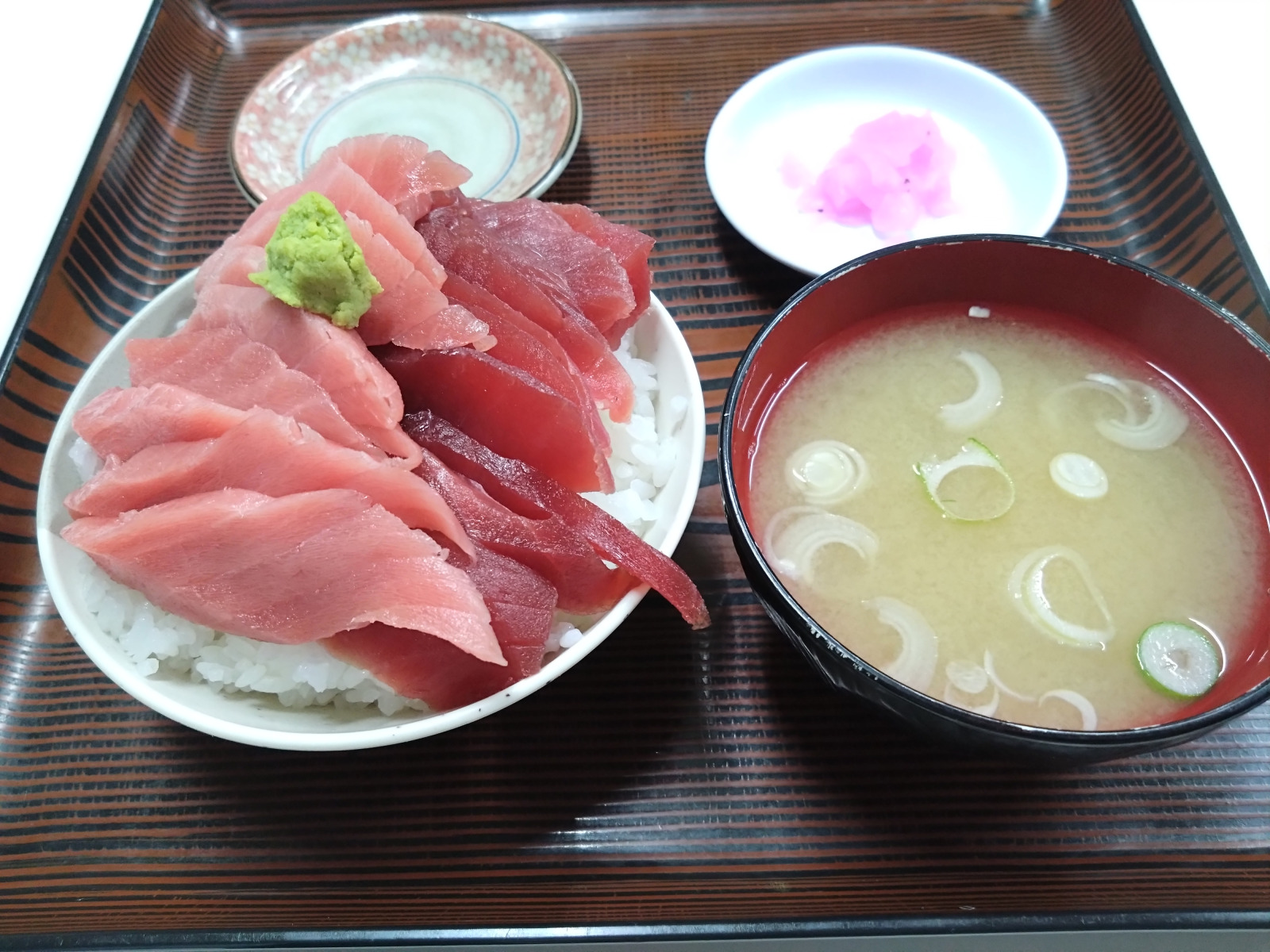
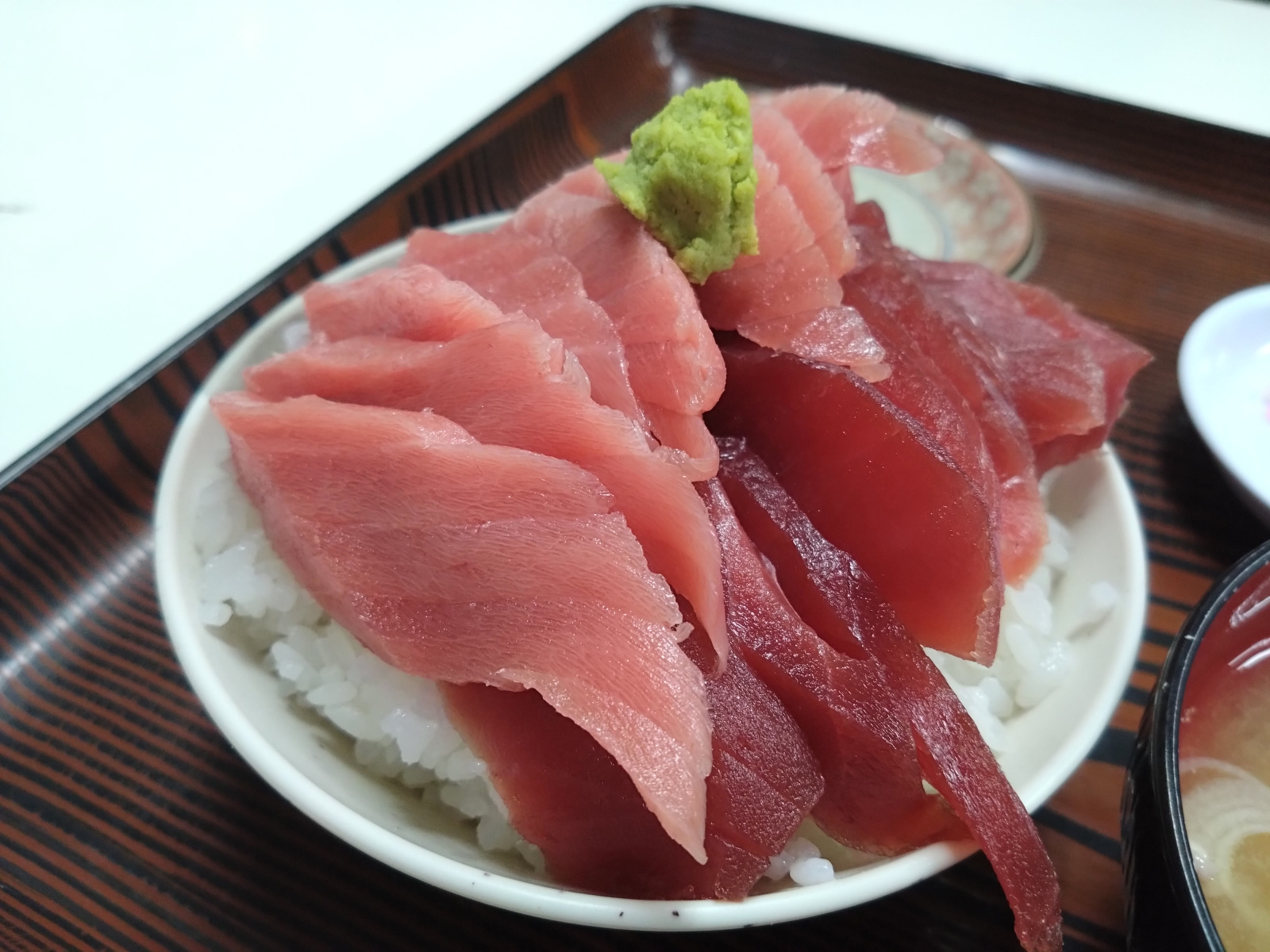
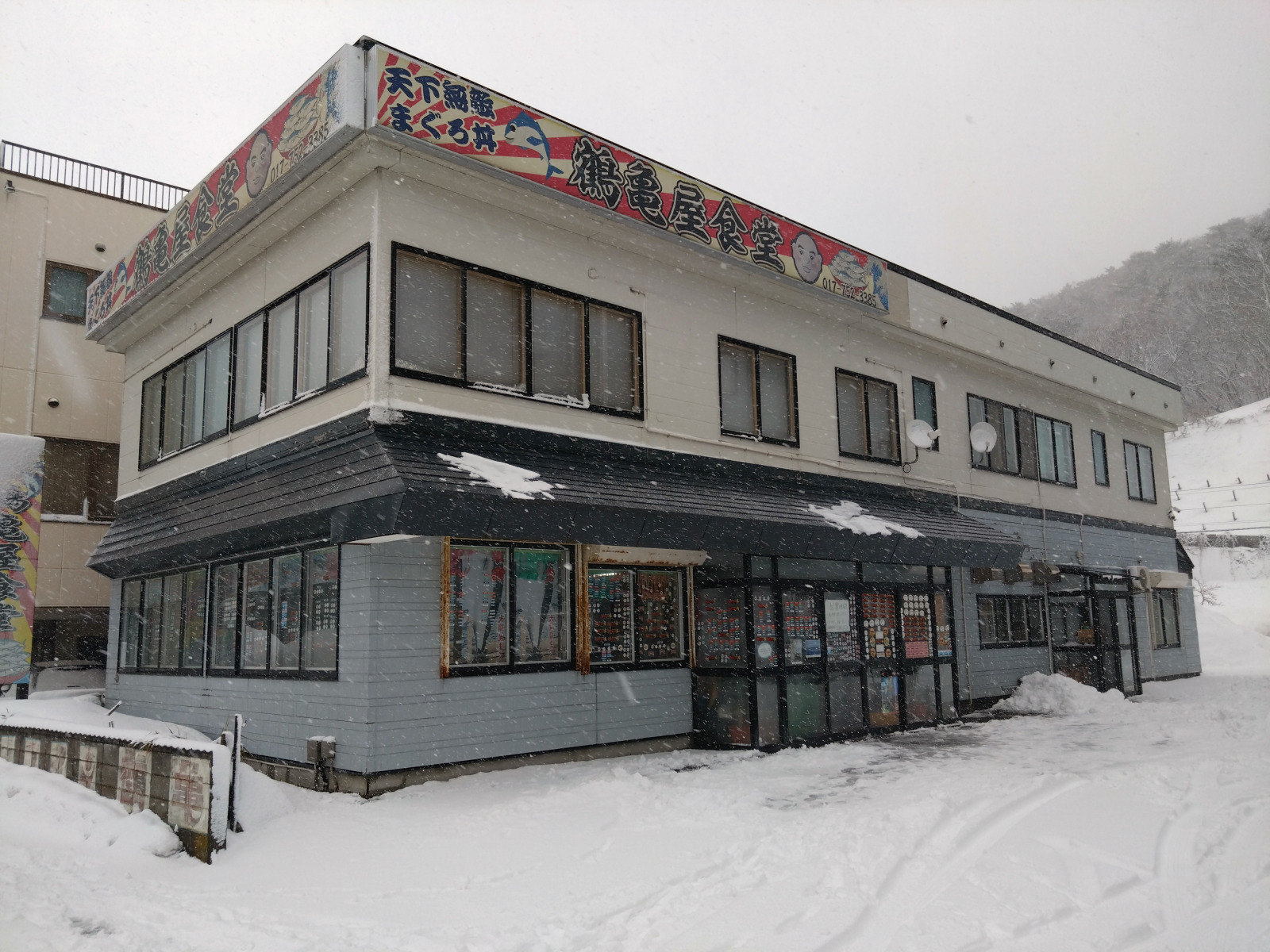
Although the hot-spring-poached eggs were a tasty appetizer, for the main part of my lunch, I headed to Tsurukameya Shokudo, an oceanfront restaurant known for its tuna rice bowls heaped with thick slices of tuna sashimi. The restaurant’s simple, cafeteria-style interior was colorfully decorated with stickers certifying the origins of its purchased tuna (mainly sourced from the famous Oma), as well as the autographs of celebrities who had visited. My tuna rice bowl, which also came with pickles and miso soup. was already a visual treat thanks to the vivid contrast between the deep red and pink tuna and the white rice, but it tasted even better than it looked, with the rich, fatty tuna nearly melting in my mouth.
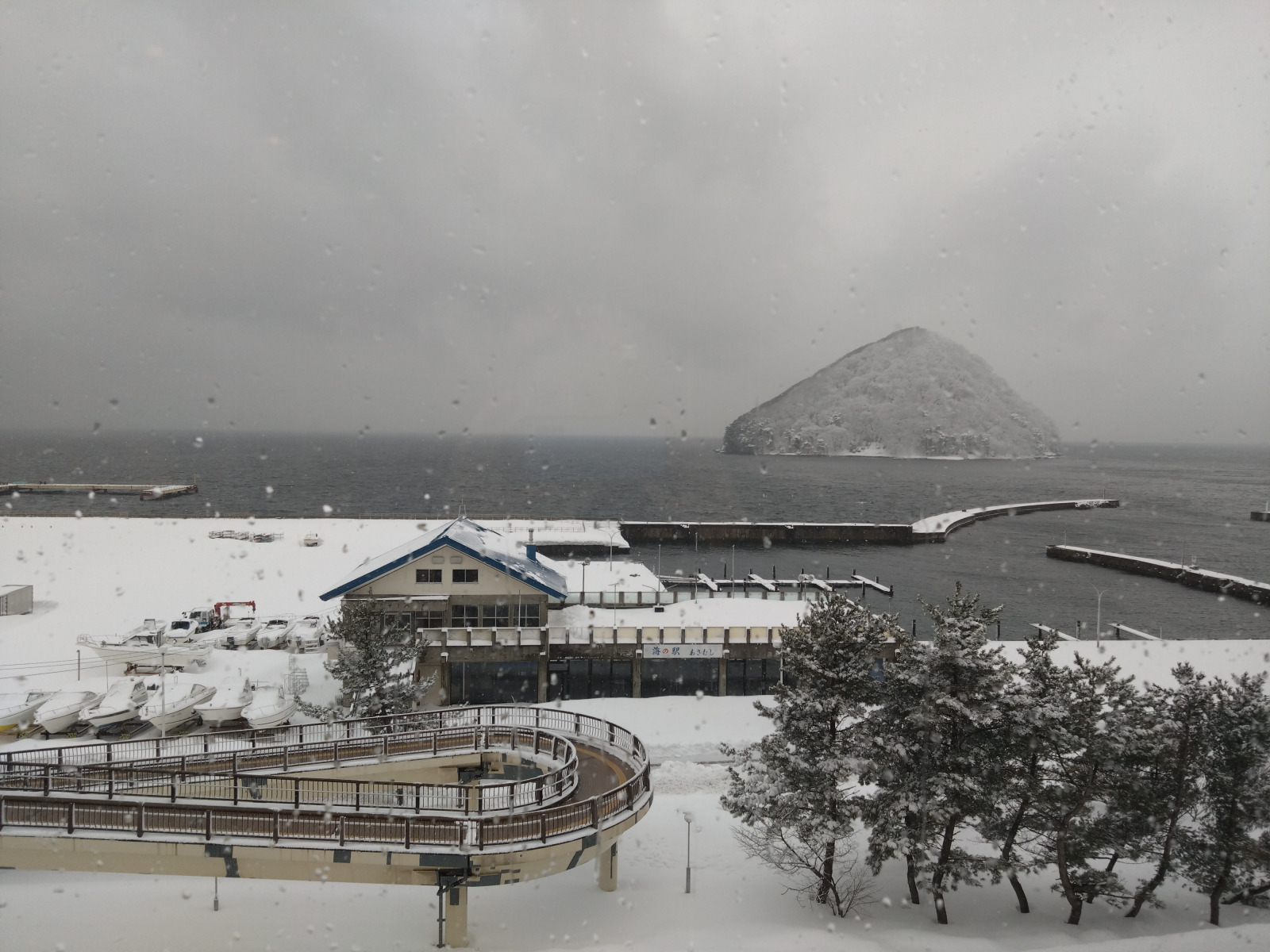
The view from the fifth floor of Yu-sa Asamushi
I knew my visit to Asamushi Onsen wouldn’t be complete without an actual dip in its hot springs, so after lunch, I walked a short distance to Roadside Station Yu-sa Asamushi. This five-story building next to Asamushi-Onsen Station serves as a roadside rest area with a restaurant, farmer’s market, and souvenir shop, but my destination was the hot-spring baths on the fifth floor. The spacious communal baths offered picturesque views of the bay through their large windows, and the wind howling and flinging snow outside contributed to the cozy atmosphere. Note that amenities like soap and shampoo are not provided in the bath, so you will need to bring your own or purchase them at the attached shop (small travel sizes are available); the same applies to towels.
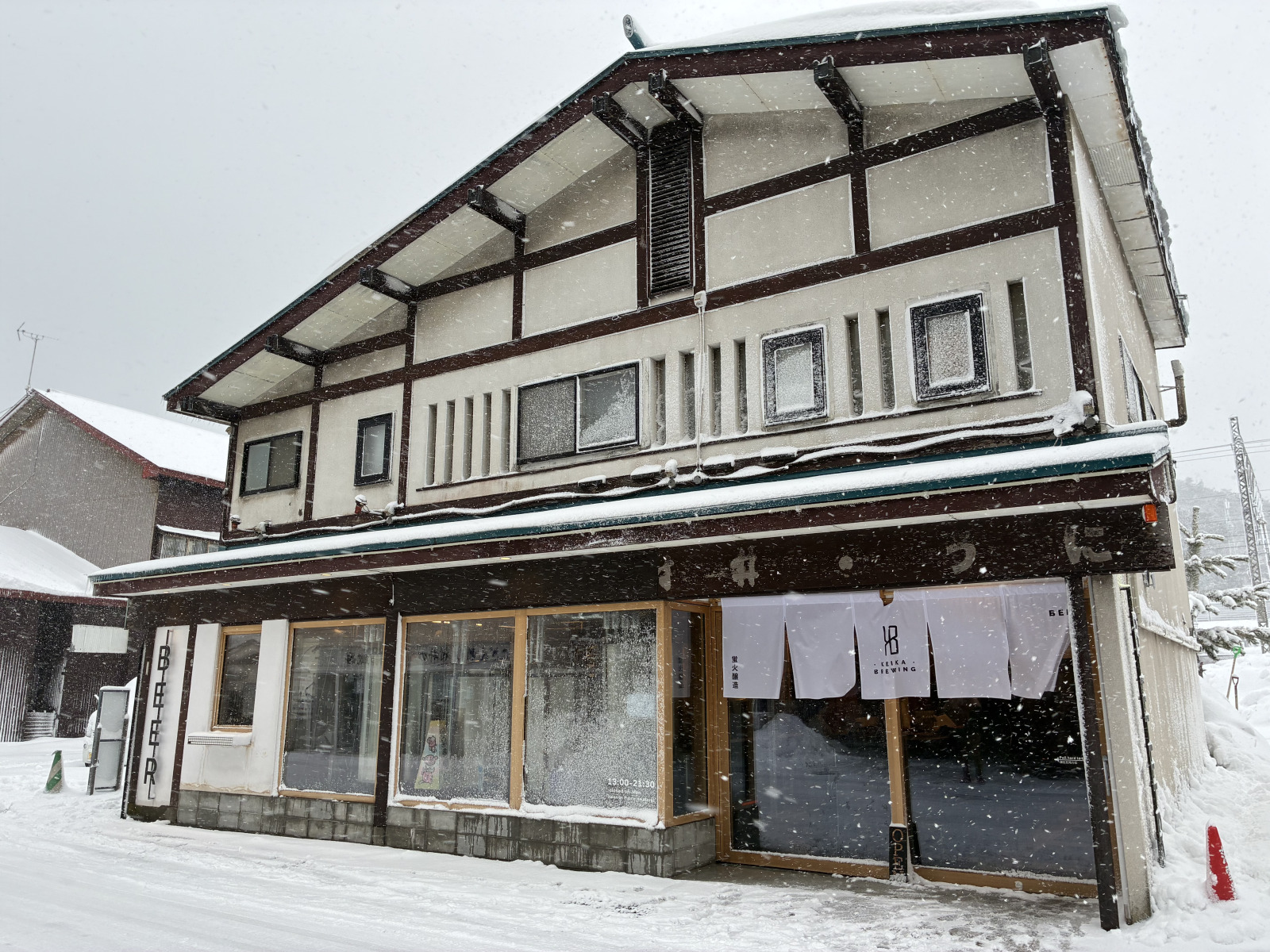
Feeling refreshed after a long soak, it was now time to unwind with some tasty craft beer. Asamushi Onsen is home to Keika Brewing, a charming brewery devoted to the mission of manufacturing beer that pairs well with local cuisine. Despite being located in a historic building that once served as a bank, the brewery was immediately recognizable thanks to its “BEER” sign.
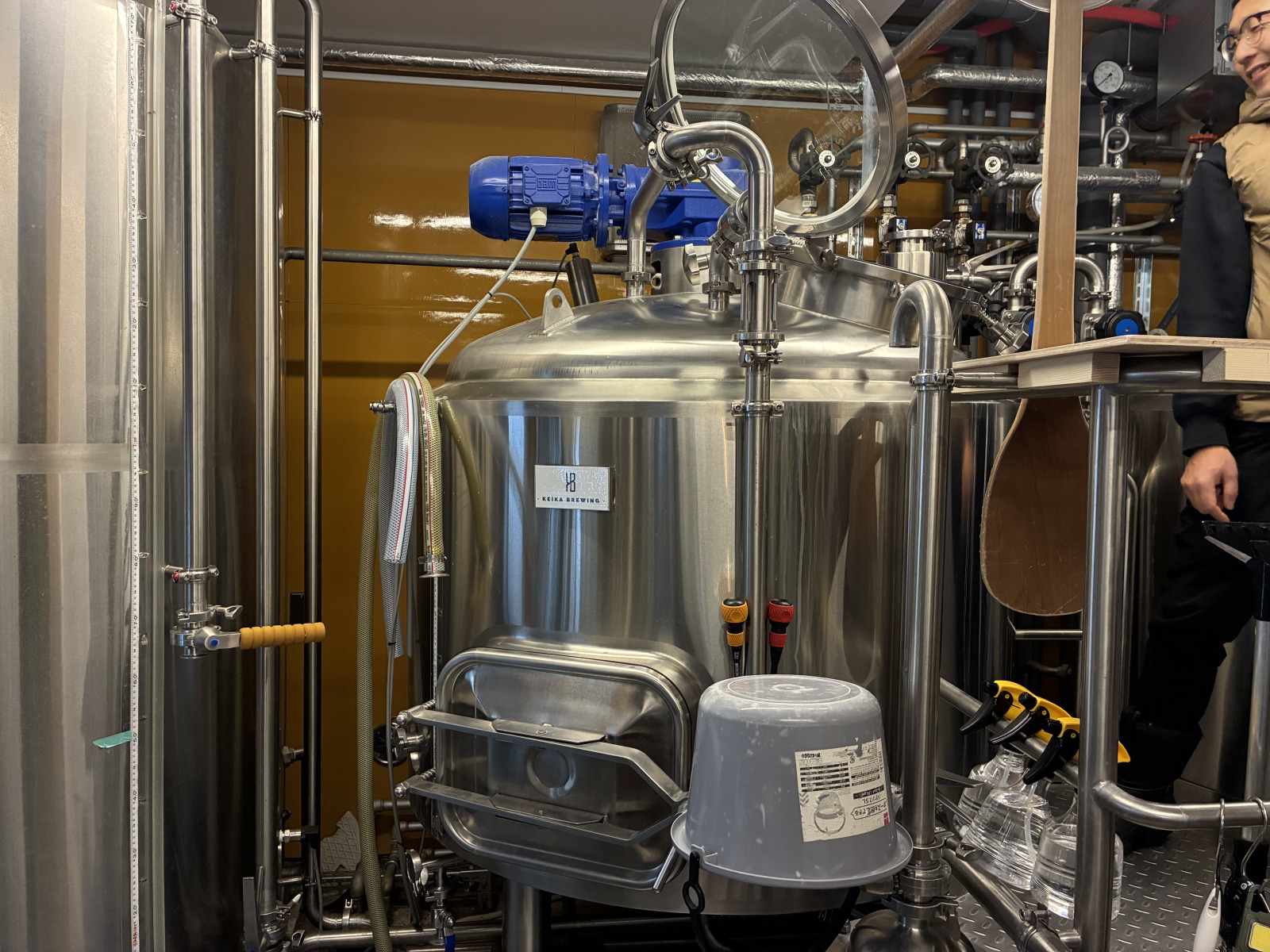
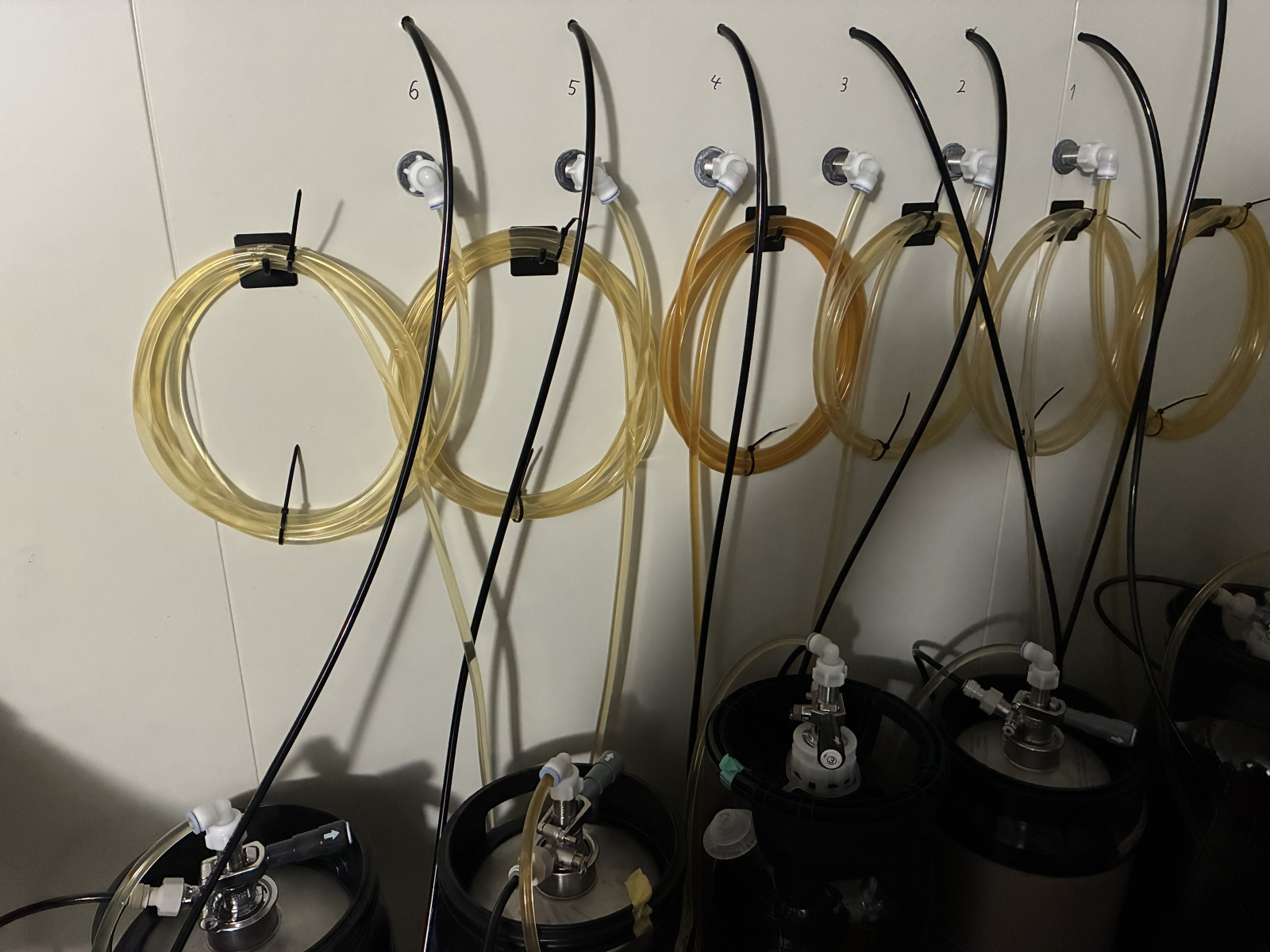
First, I enjoyed a behind-the-scenes look at the facilities where the beer is brewed on site, year round. The brewers explained their meticulous approach, which is focused on a balanced blend of barley and hops according to the season.
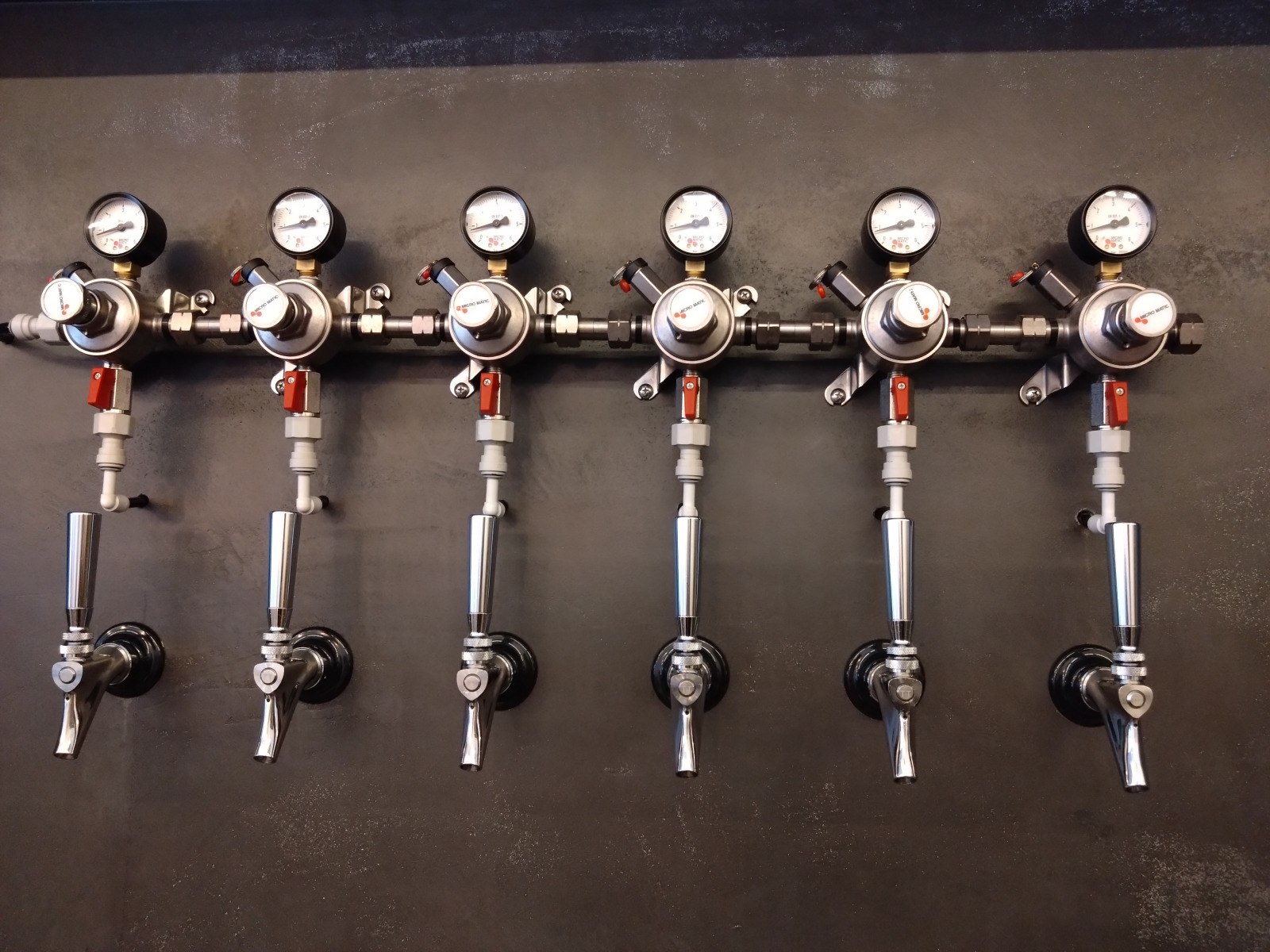
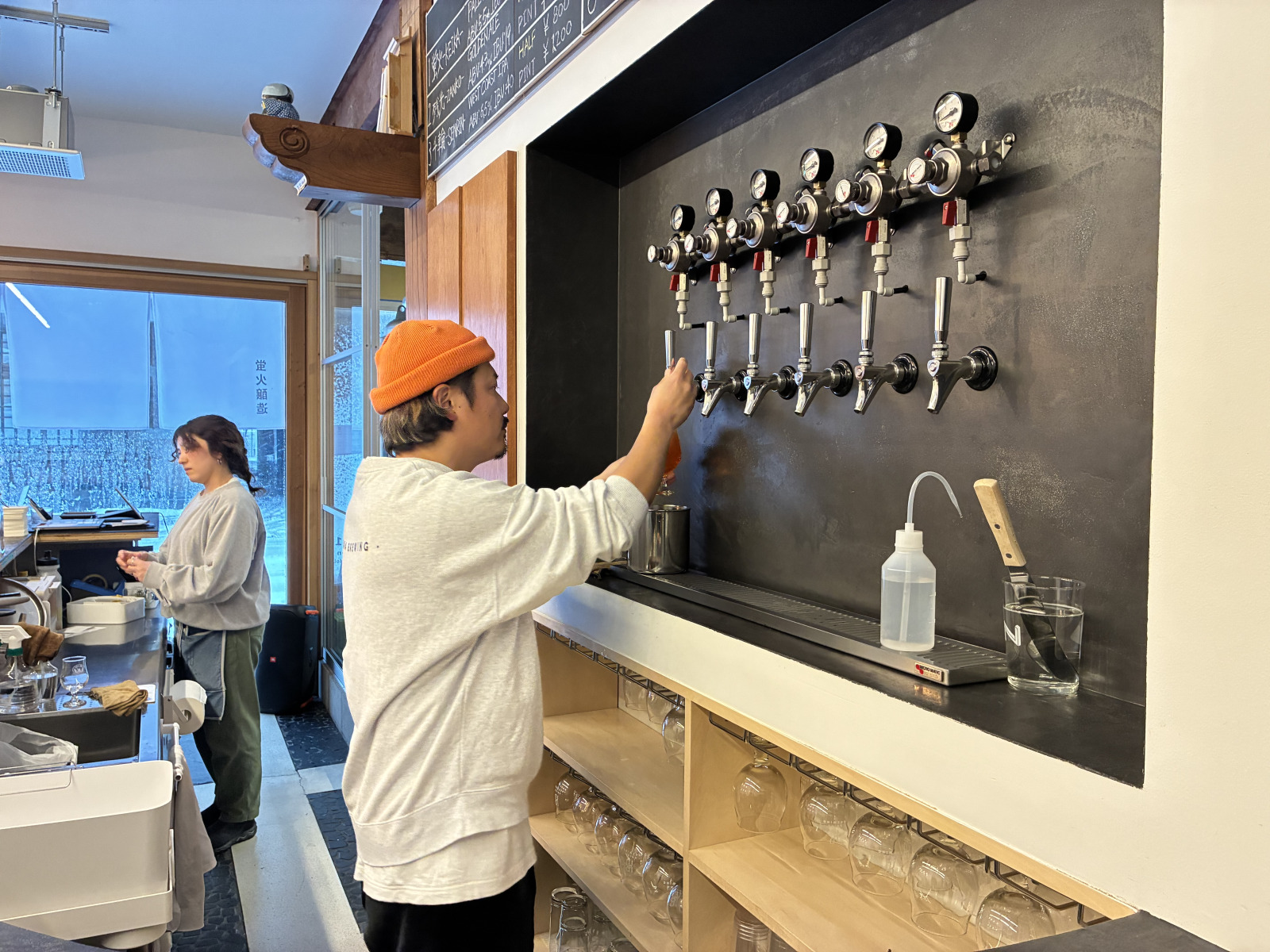
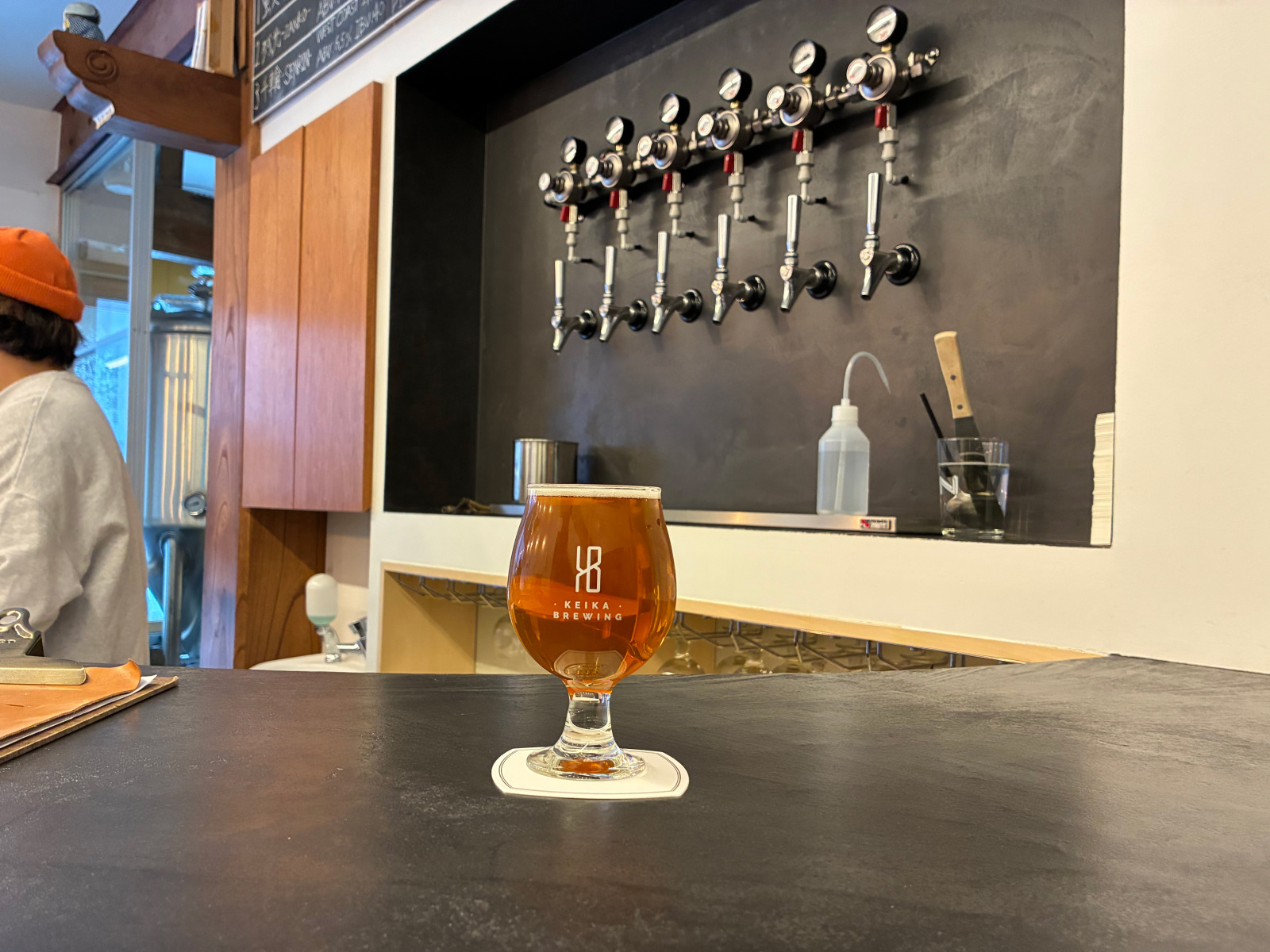
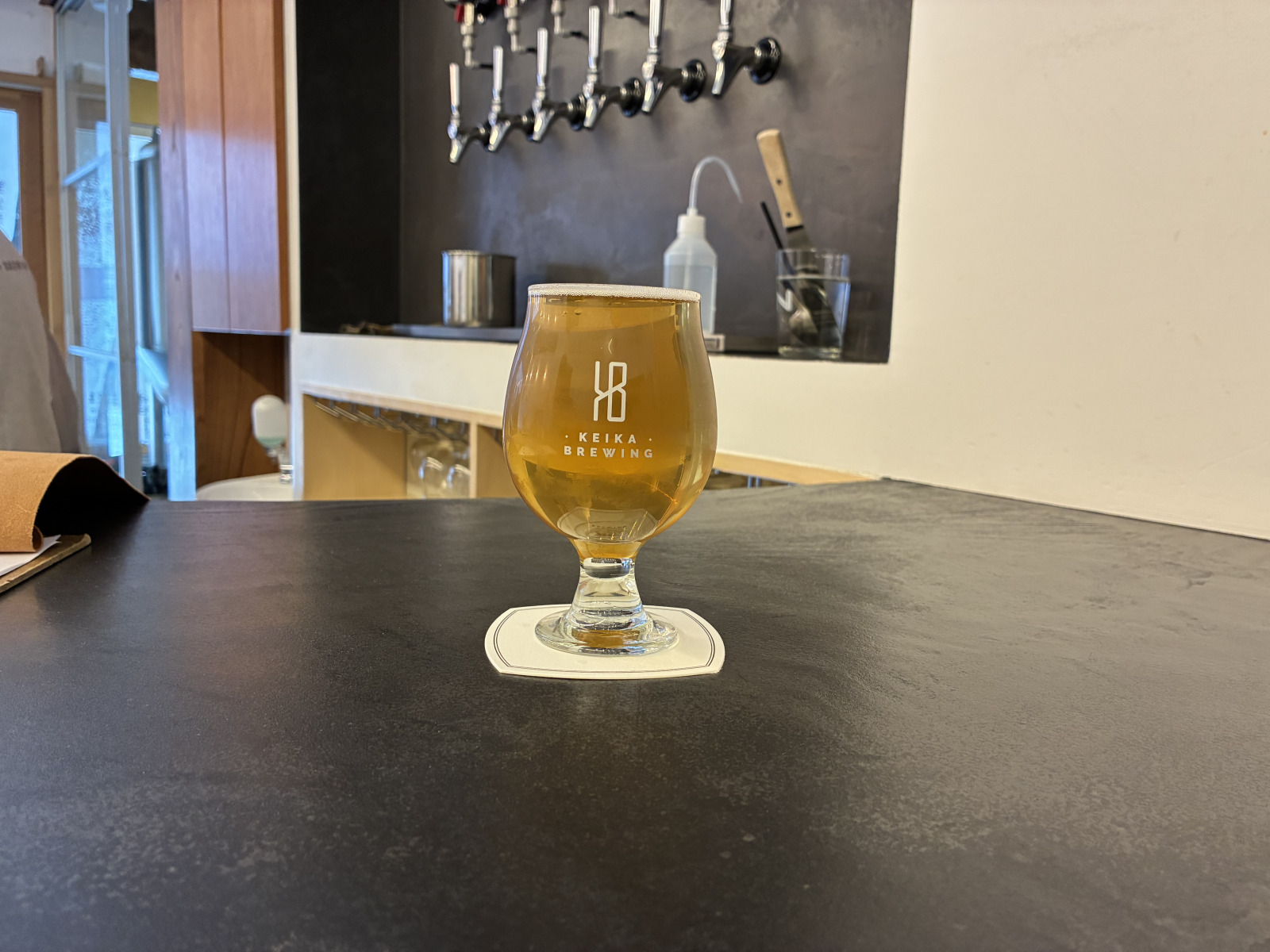
Among the six beers on tap that day, I decided to try Keika Brewing’s two bestselling brands, its flagship pale ale “Keika” and its golden ale “Zankou.” Keika, which the staff described as a classic American-style IPA, surprised me with a rich, fruity aroma that was followed by a solid, full-bodied bitterness. Compared to the bold, tropical fruitiness of Keika, the fruity notes of Zankou were more acidic and citrusy. According to the brewery, this light taste is the reason why Zankou goes well with foods that might not normally be paired with beer, such as salad and even Japanese cuisine like sashimi. After tasting it, I wasn’t surprised to learn that it was the brand served with meals at many of the town’s traditional hot-spring inns. After a long soak in a hot-spring bath, it would make for a refreshing drink indeed.
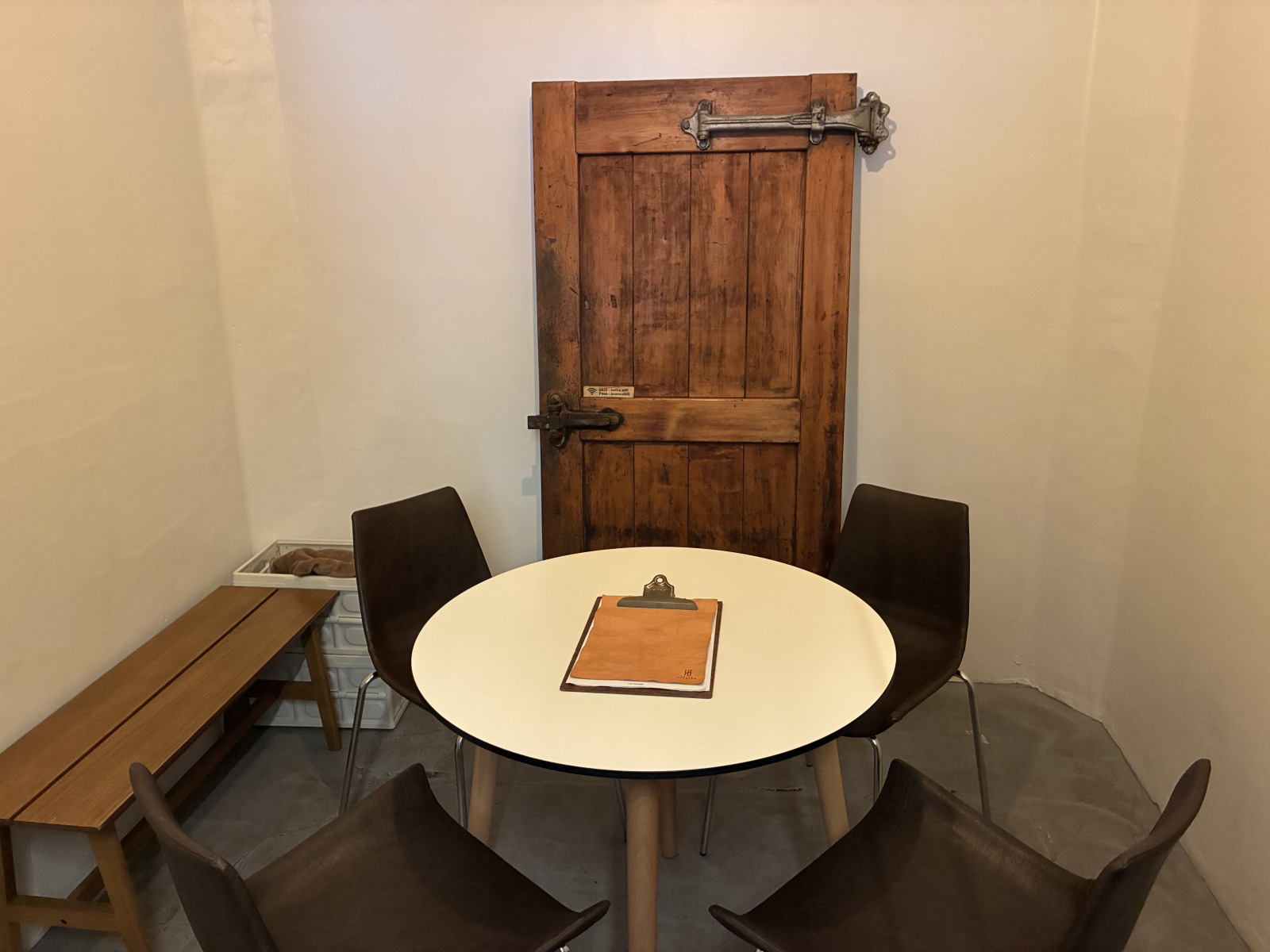
A unique seating space inside the former bank vault
The brewery also had a small menu of drinking snacks with a focus on local seasonal ingredients, such as “prosciutto”-style Aomori flounder, homemade pickles, and sun-dried scallops from Mutsu Bay.
As reluctant as I was to leave the warm and cheerful ambience of the brewery, I nonetheless headed to the station for my train back to downtown Aomori City, as it was time to check in to my accommodations for the night. ReLabo Medical Spa & Stay is a new hotel directly connected to Aomori Station that combines luxurious lodgings with wellness. I couldn’t wait to learn more about this innovative concept.
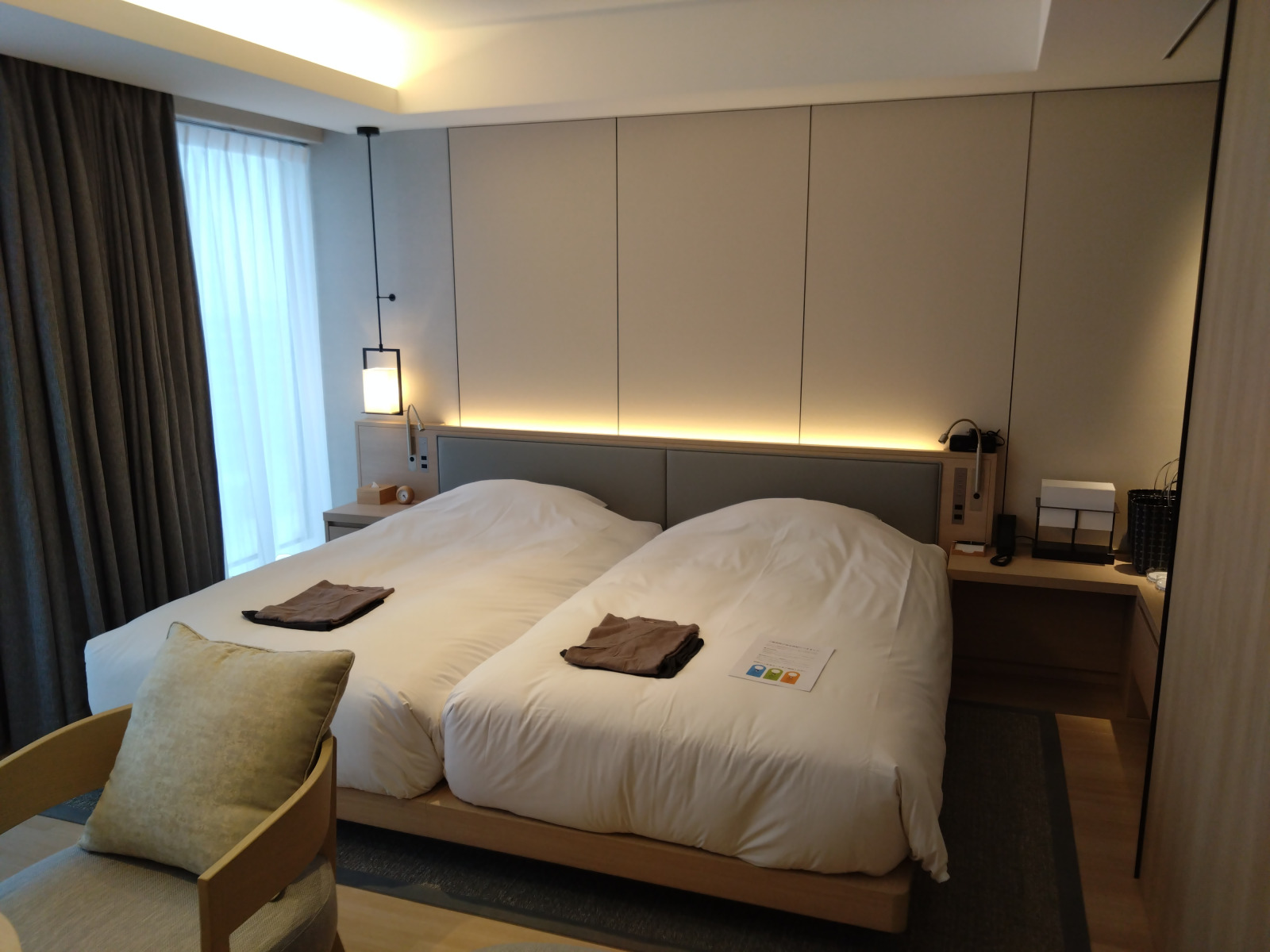
After checking in to my elegant and spacious room, I was invited on a tour of the facilities available on the hotel’s “Wellness Floor,” which are outlined below.
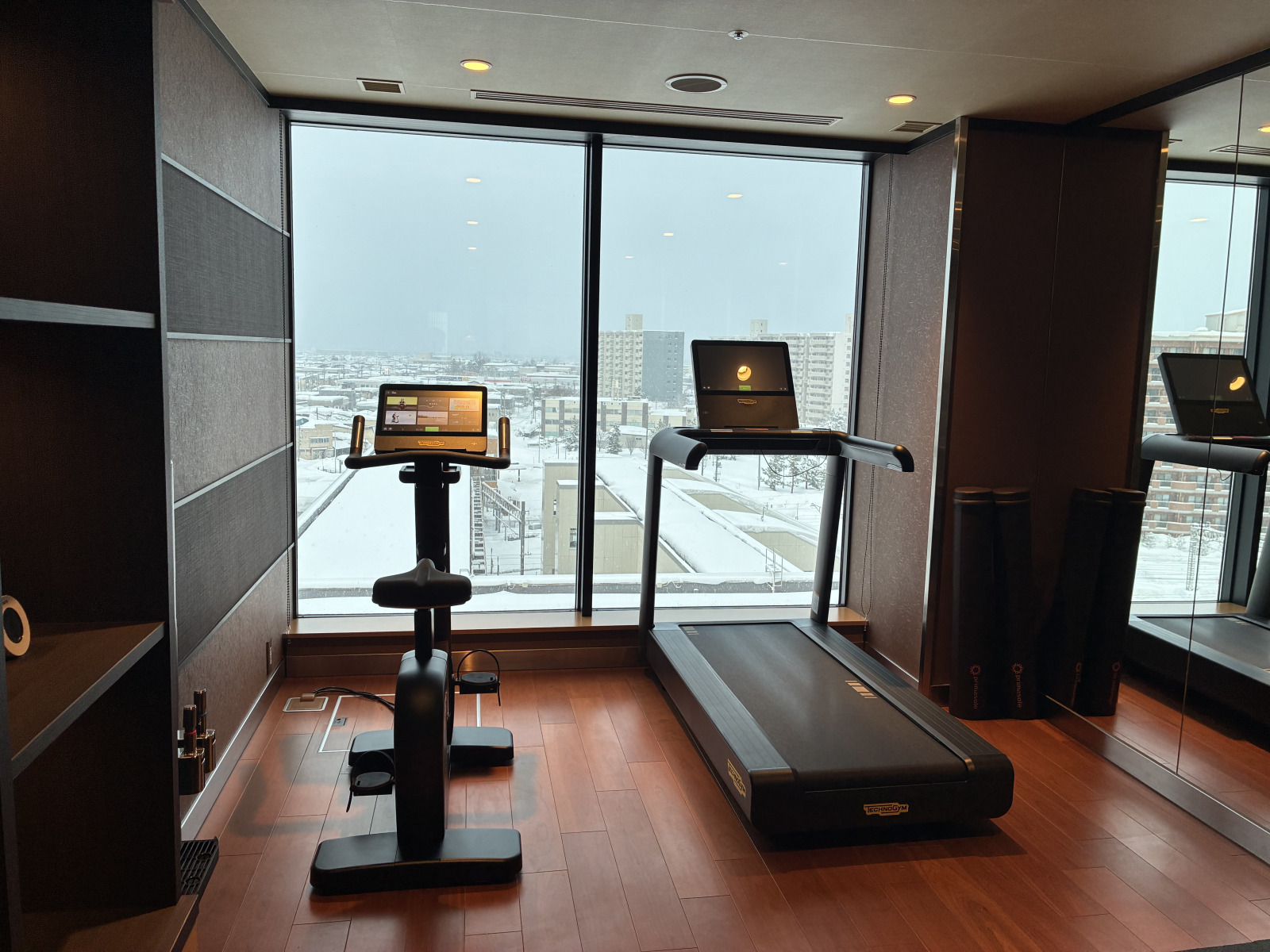
The fitness gym, where guests can work out while enjoying a spectacular view of the city
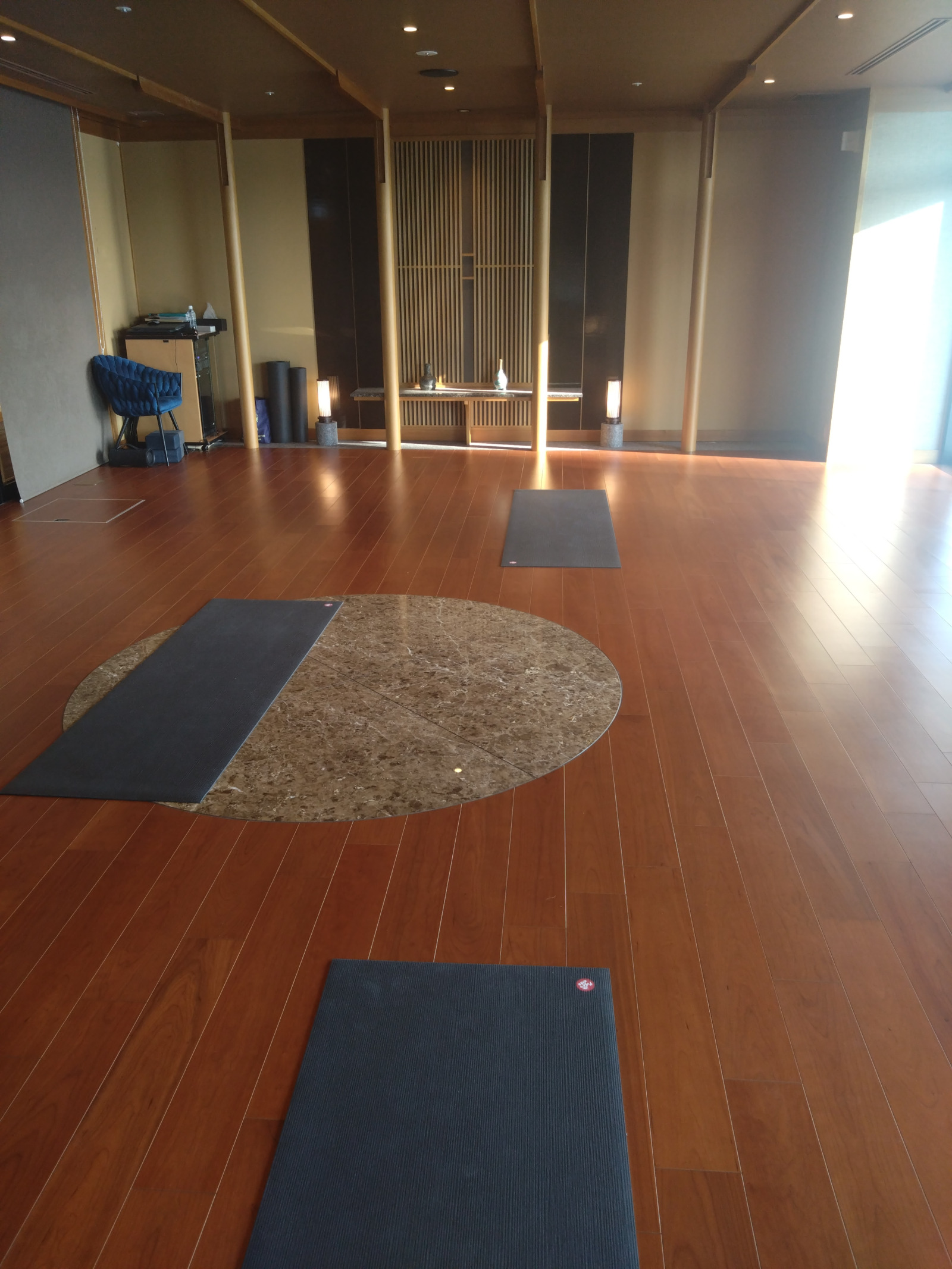
The yoga studio offers a variety of free programming including exercise sessions and workshops on mindfulness, wellness, and traditional Japanese arts like ikebana (flower arrangement). You can also book a yoga session or even a private class.
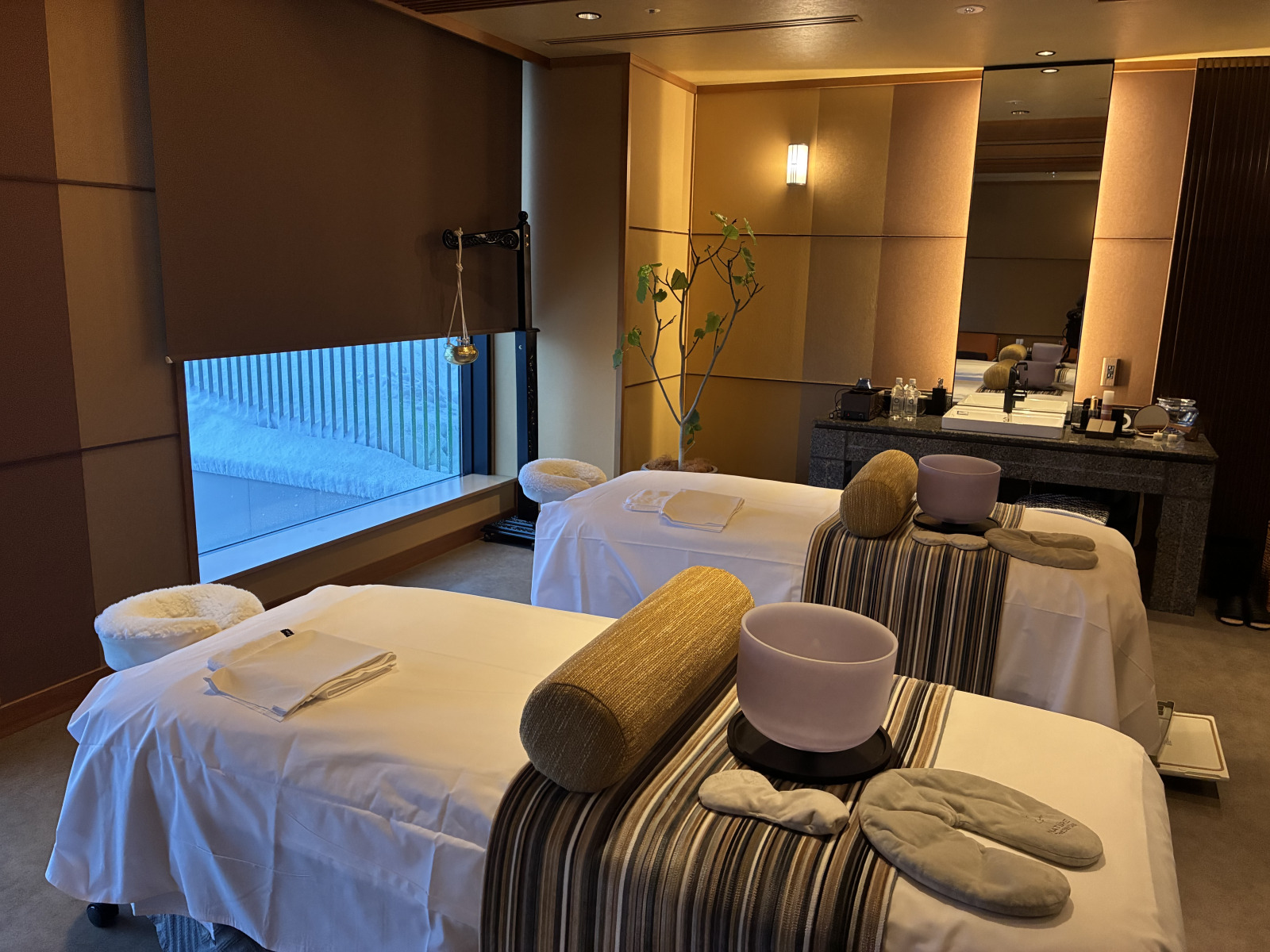
The spa offers massages and facials along with a variety of Ayurvedic treatments. One of these is Shirodhara, a traditional tension-relieving treatment in which warm oil is continuously dripped onto the forehead, described as being like a “massage for your brain.”
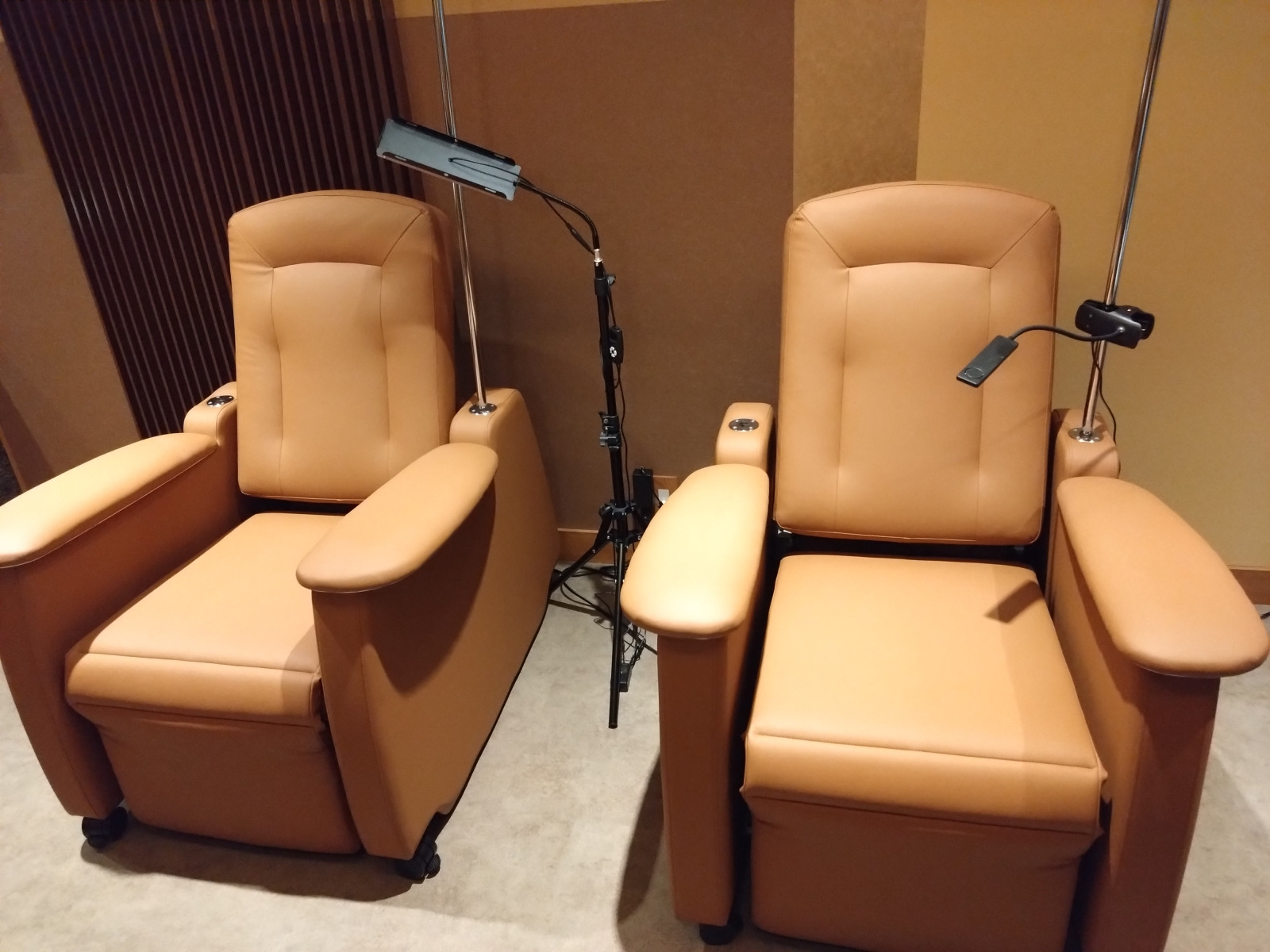
A variety of injections are available at the clinic, focusing on fatigue-relieving and skin-beautifying ingredients. Combinations of vitamins and minerals are specially formulated for effects like relieving a hangover, treating blemishes, brightening the complexion, or promoting fat burning.
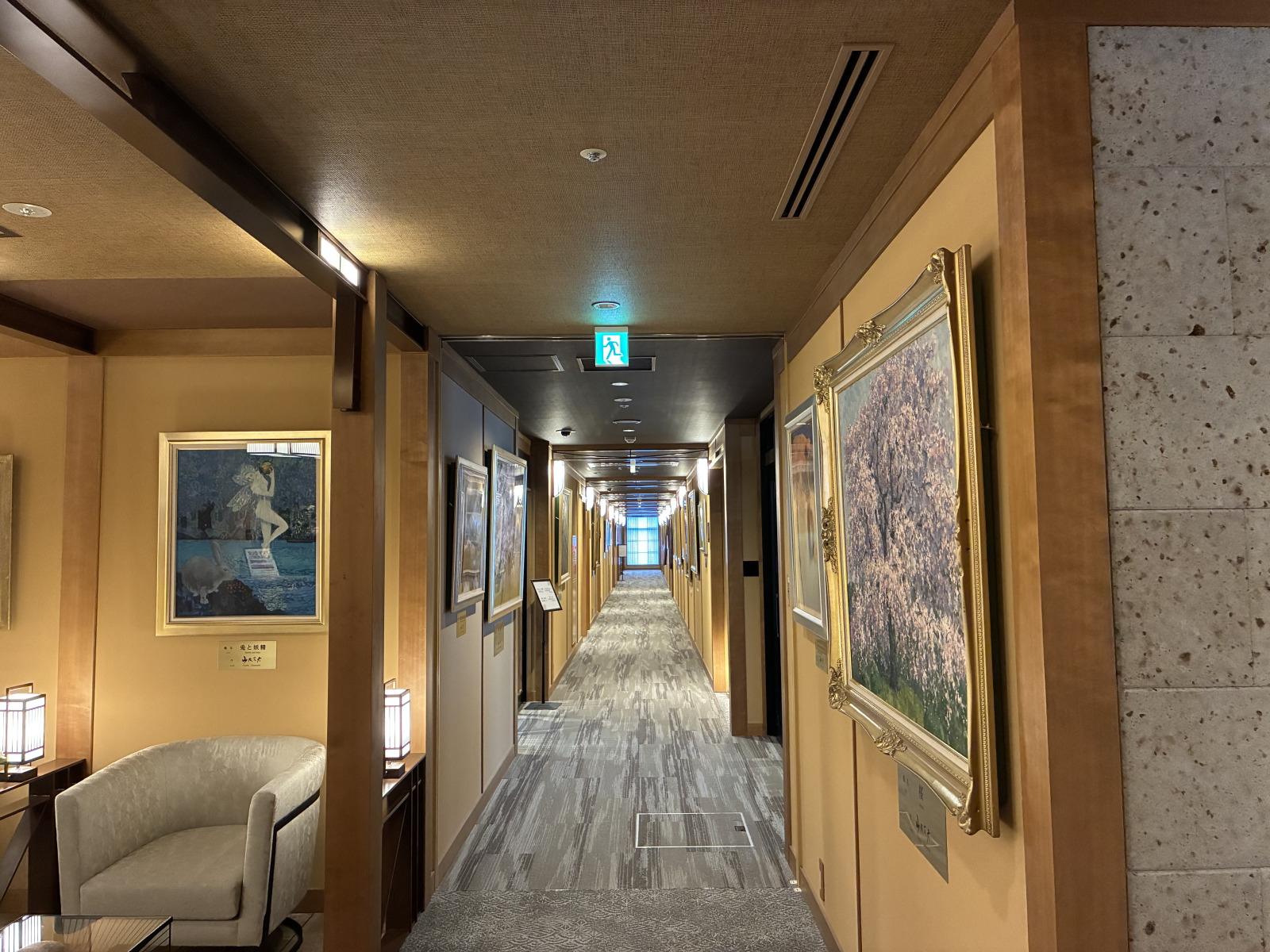
The inside of the hotel looked like a museum, with beautiful artworks on display everywhere.
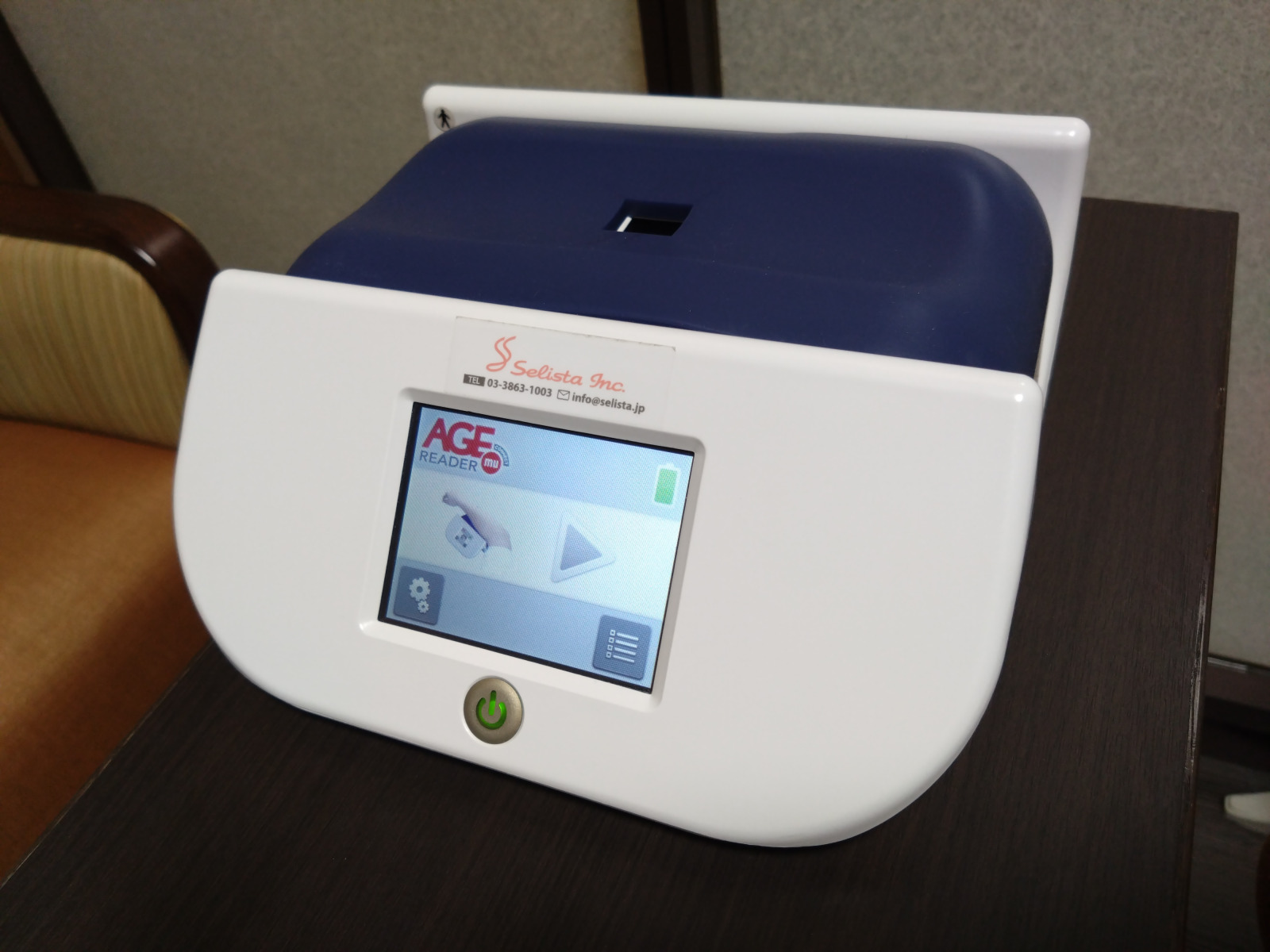
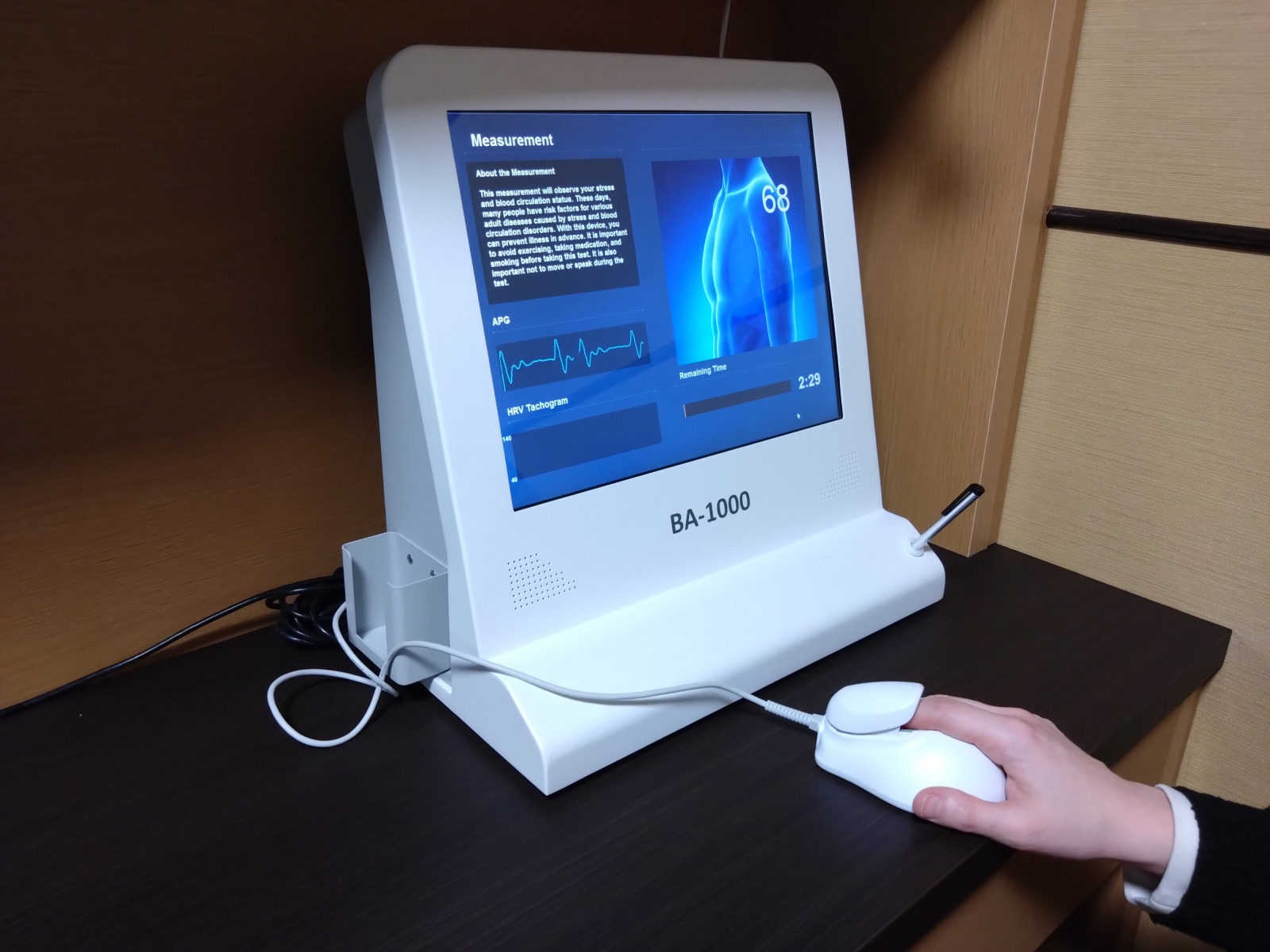
After touring the facilities, it was time for my wellness counseling session. The counselor, a nationally certified public health nurse, first administered a questionnaire regarding my lifestyle habits and any areas of particular health-related concern. Then, she used a special device to measure my levels of advanced glycation end-products (AGEs). These substances are formed from reactions between proteins in the body and excess carbohydrates. Their accumulation is associated with a variety of metabolic diseases and may be a key factor in the aging process. Based on the reading, the nurse informed me of my “glycation age.” She also used another device to measure my vascular and autonomic nervous functions and determined my “vascular age” from these measurements. According to these results as well as my answers to the questionnaire, she pointed out some potential problem areas in my diet and proposed lifestyle improvements that I could start implementing immediately. I learned a lot about AGEs and how different preparation methods can actually greatly alter their levels in food. Depending on guests’ needs, additional wellness options like mineral balance scanning and sleep studies are also available. Furthermore, counselors can propose the most suitable injections, supplements, and other treatments available at ReLabo for guests based on their testing results.
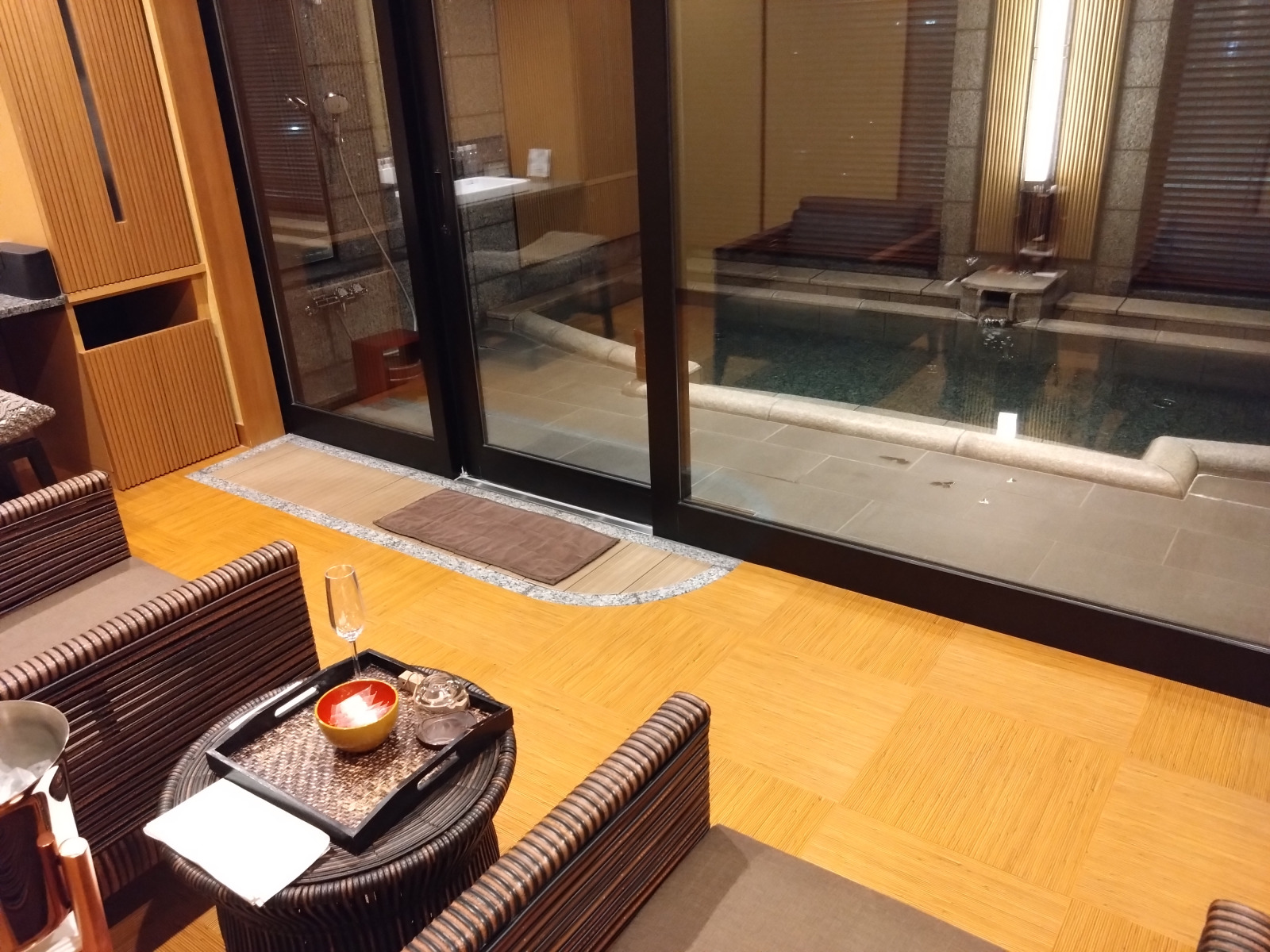
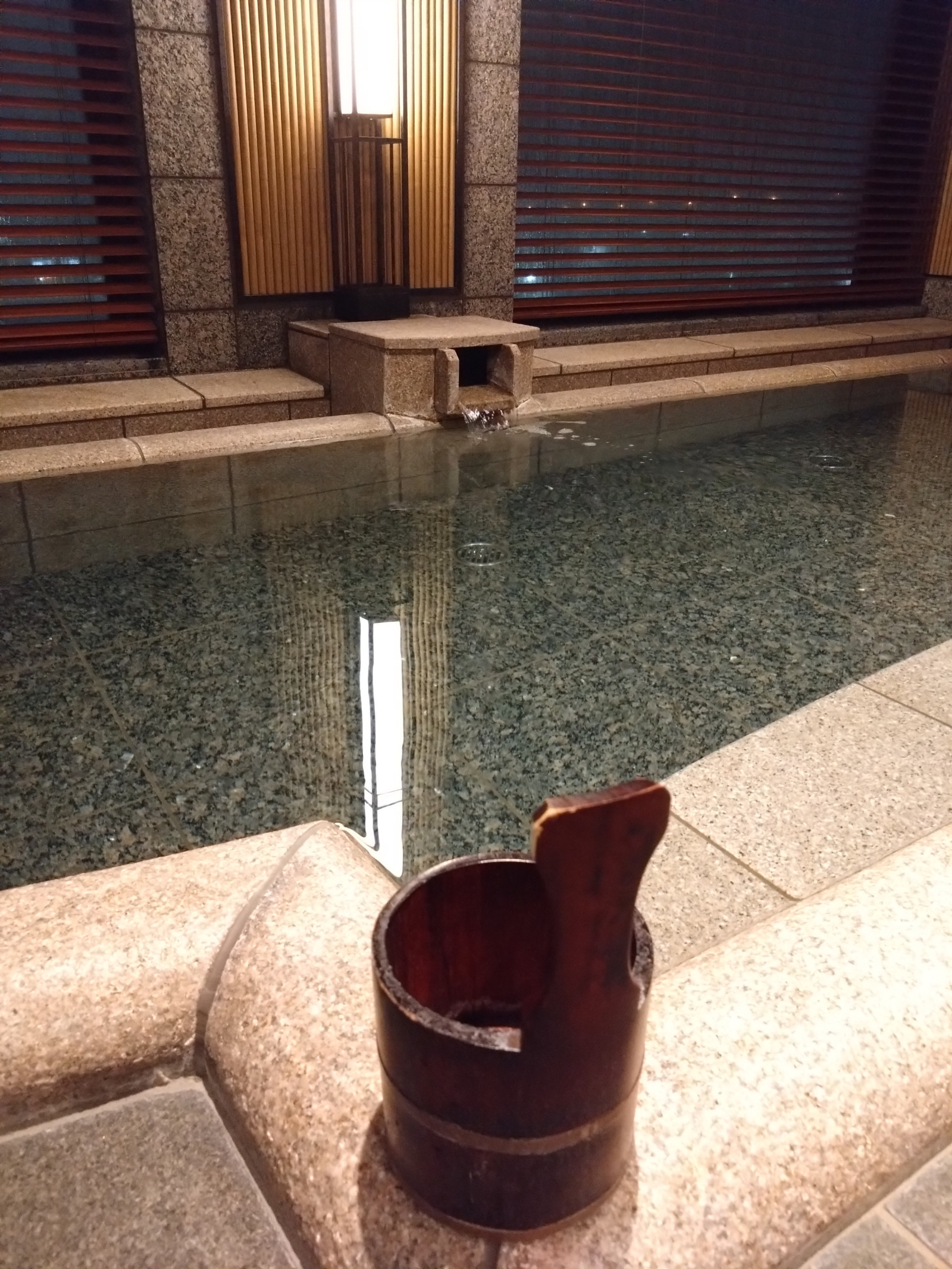
After the counseling session, I enjoyed an experience that was sure to further boost my wellness, both mentally and physically: a relaxing soak in one of ReLabo’s fully private hot-spring baths. In advance of the fifty-minute bathing session, staff had prepared complimentary drinks in the attached private lounge, and I was able to luxuriate without interruption in the tranquil, therapeutic space.
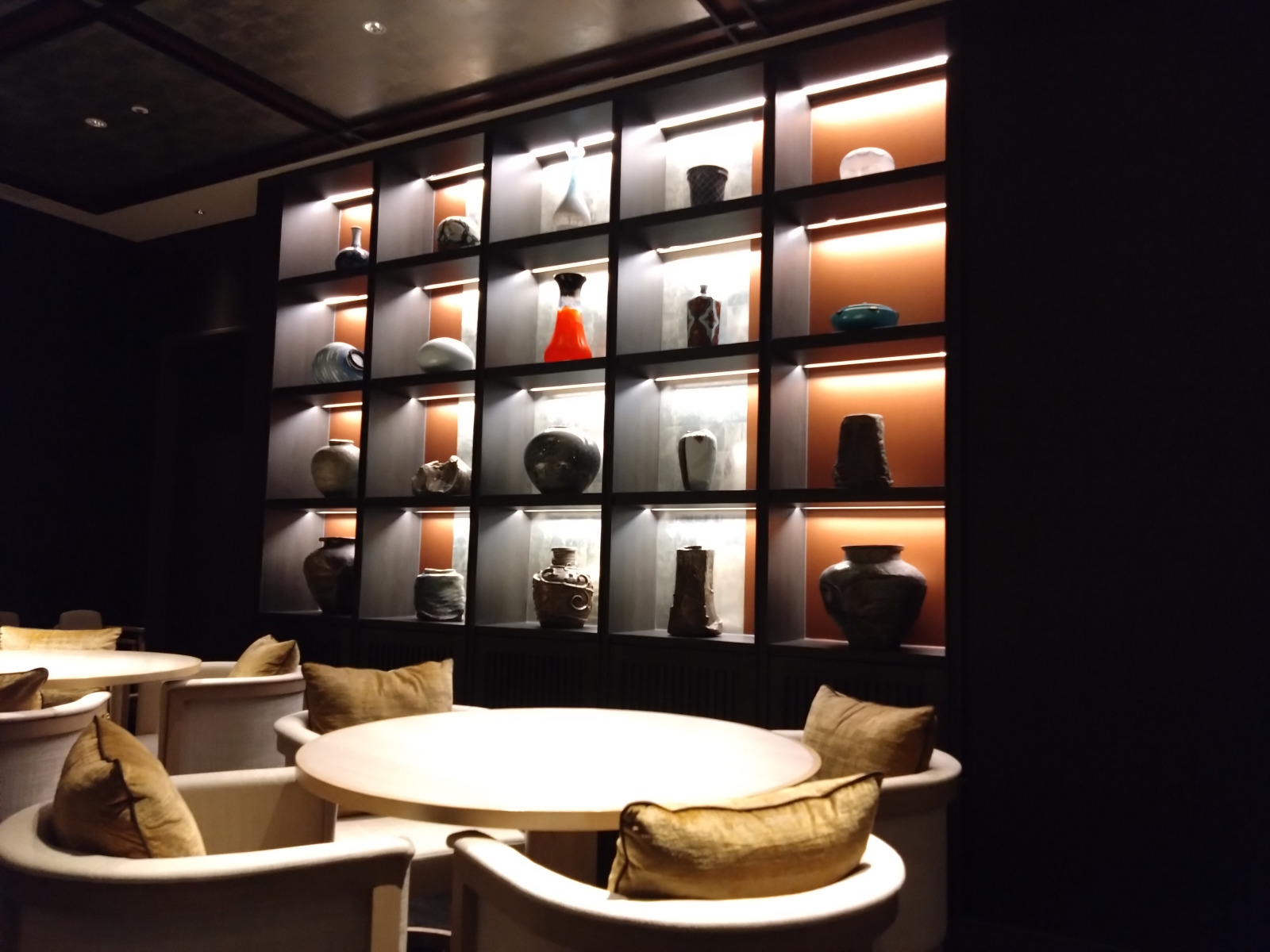
The restaurant’s chic interior
Feeling refreshed and cleansed in both mind and body, I made my way over to dinner at the hotel’s restaurant, Aomori French Gastronomy En, which combines French cuisine with local Aomori ingredients and cutting-edge cooking techniques. I’d never before tried food prepared using a Gastrovac (a device that utilizes a partial vacuum to achieve low-temperature cooking) or a blast chiller, so I was eagerly anticipating this all-new experience.
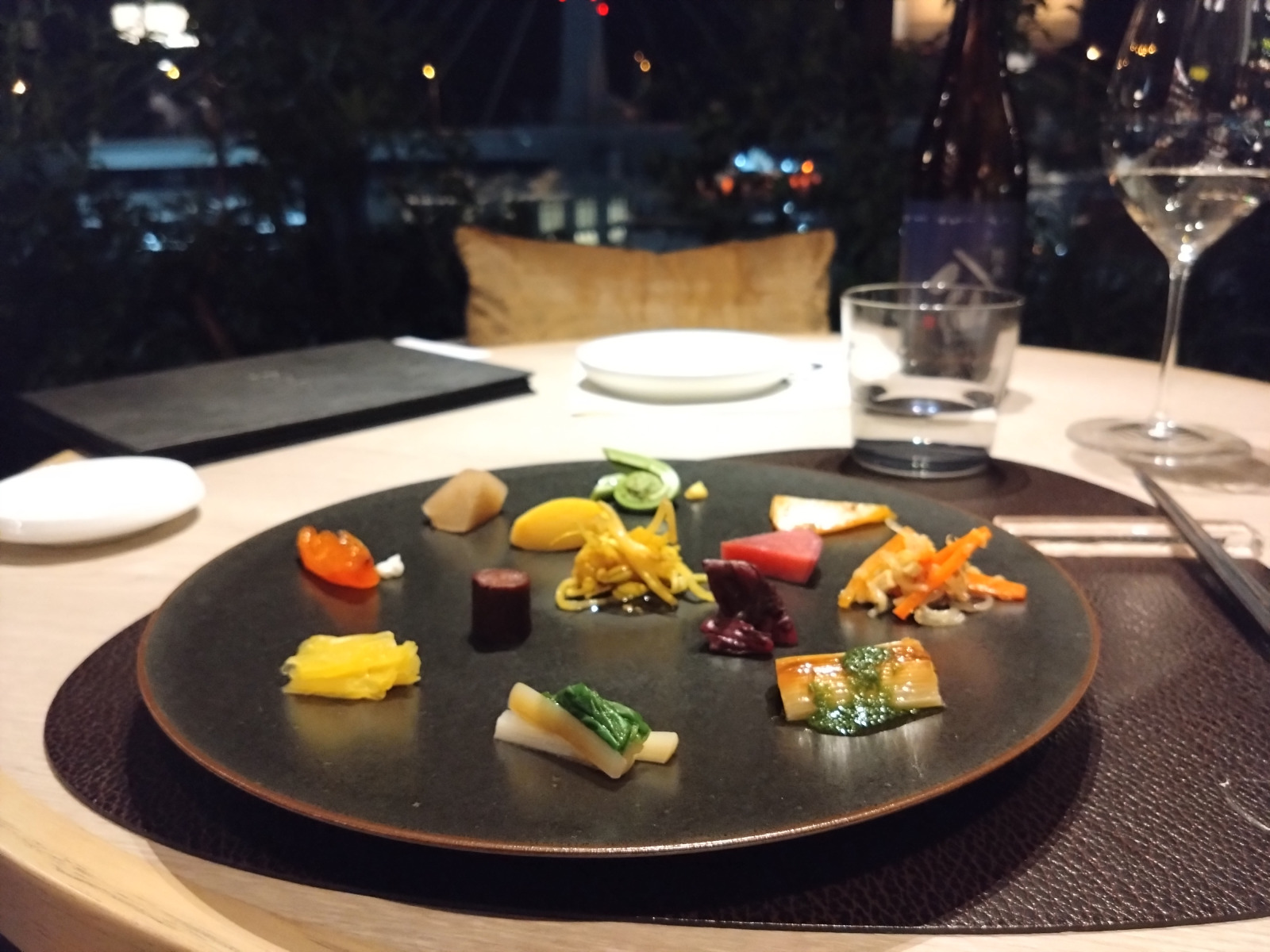
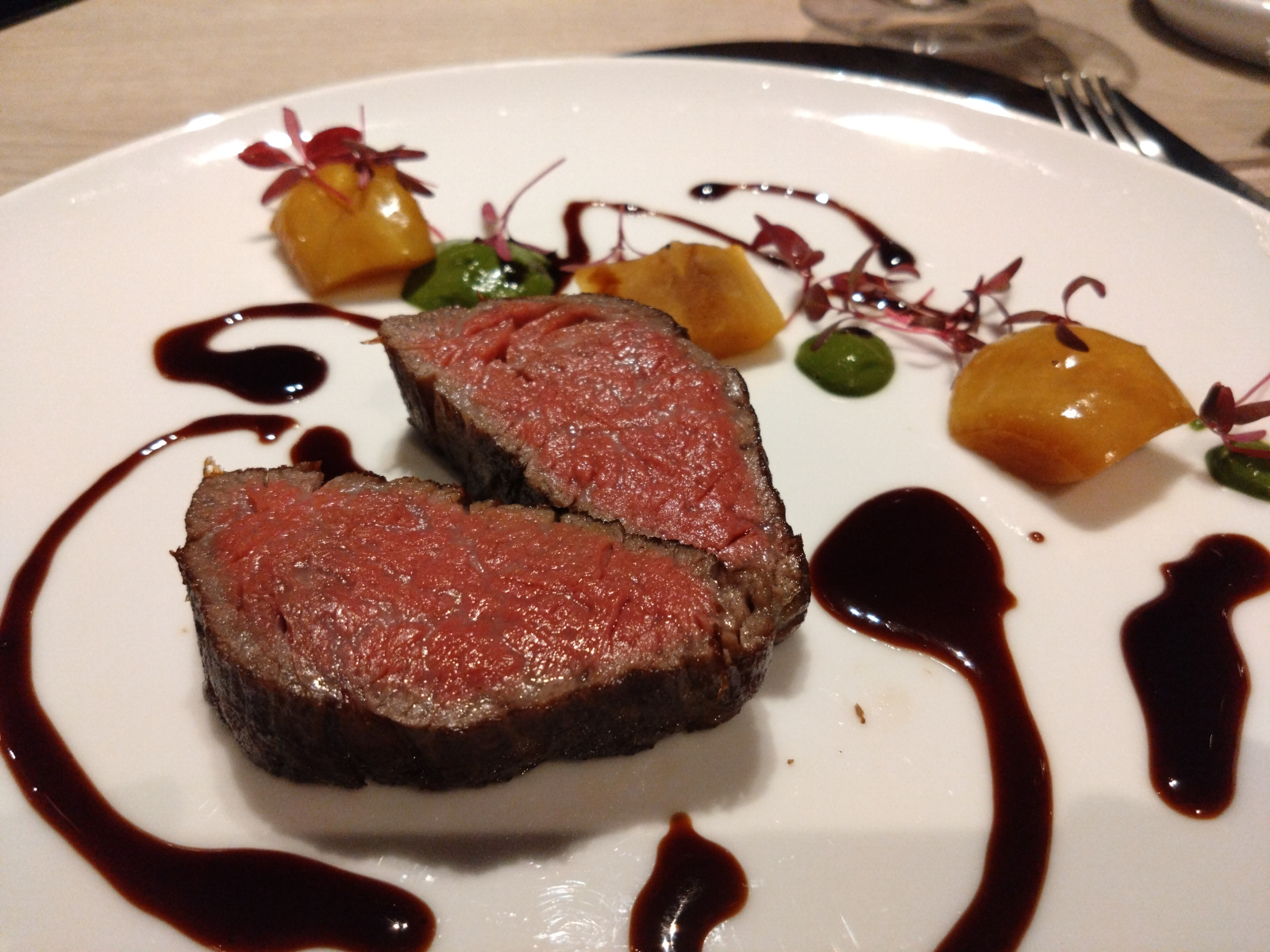
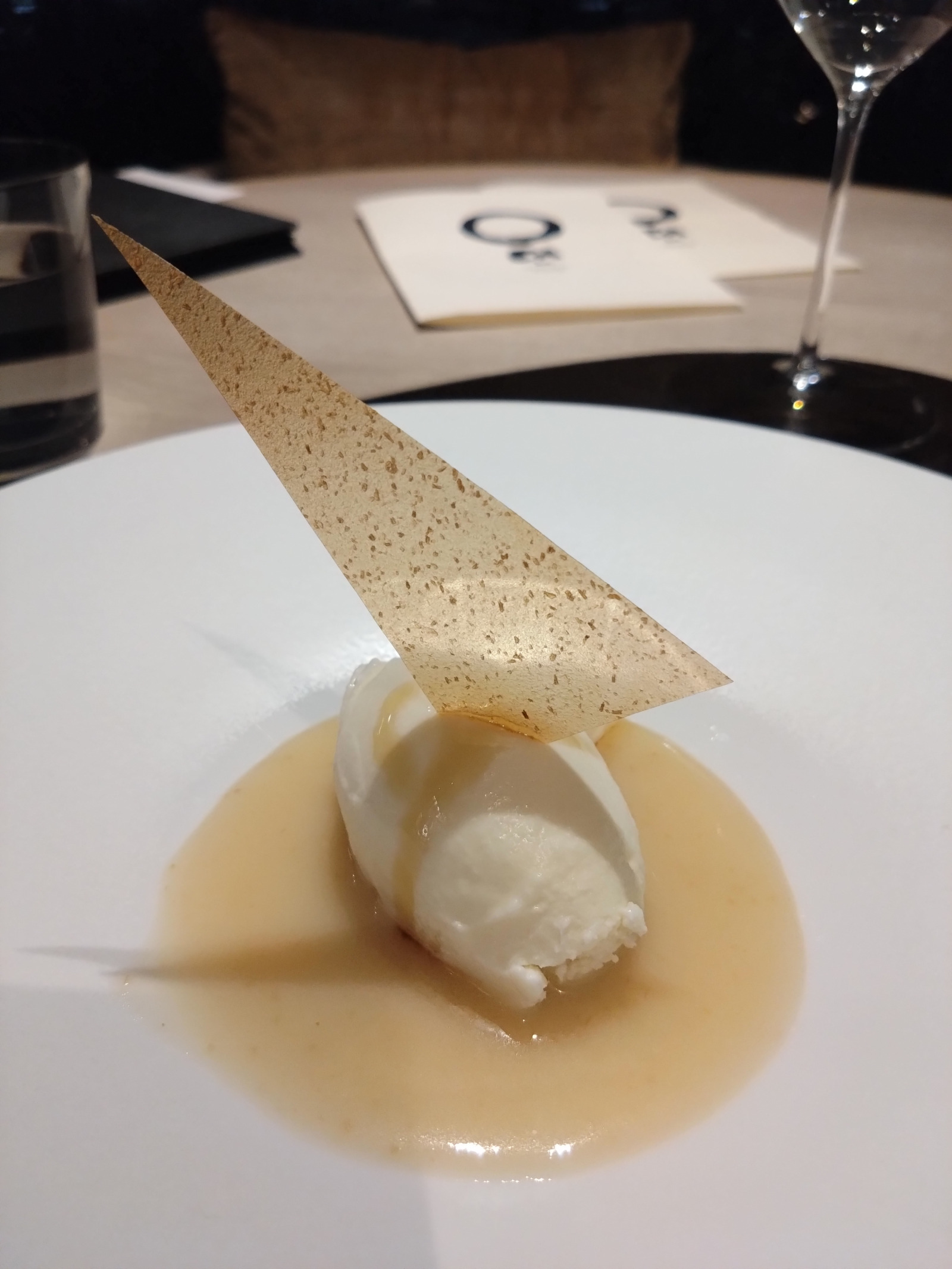
Dinner consisted of seven courses including dessert. All of them were both delicious and exquisite in their presentation, but particular highlights were the Aomori “Nature Plate,” thirteen individually prepared morsels of local fruits and vegetables that each provided a completely different taste and texture, and the fermented mushroom cappuccino, which had a sublime umami flavor and aroma. The main course was local Kuraishi wagyu tenderloin steak with two sauces (blackcurrant and Aomori kale) and a garnish of Gastrovac-roasted apple. The use of a blast chiller to lock in the moisture gave the steak an incredible combination of textures, finished to perfection on the outside yet rare and tender on the inside.
After dinner, although I’d already enjoyed a private hot-spring bath, I wanted to try out ReLabo’s communal baths as well. The women’s hot spring featured a “silk bath” that mixes superfine compressed air bubbles into the bath water, resulting in a soft, silky feeling and a massaging effect. (The men’s communal bath apparently features a sauna instead.) This being my third bath of the day, it left me feeling more than relaxed enough for bed.
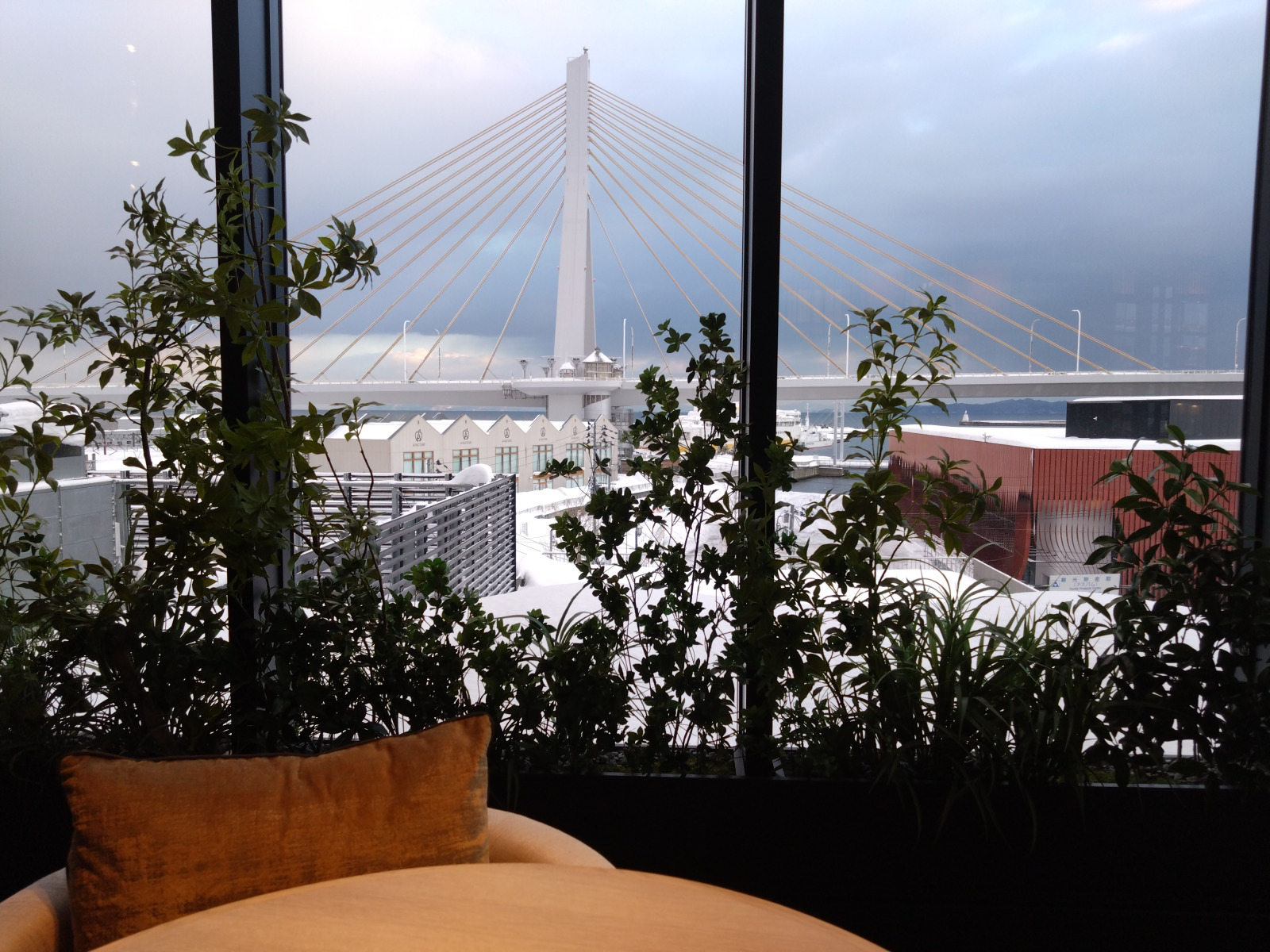
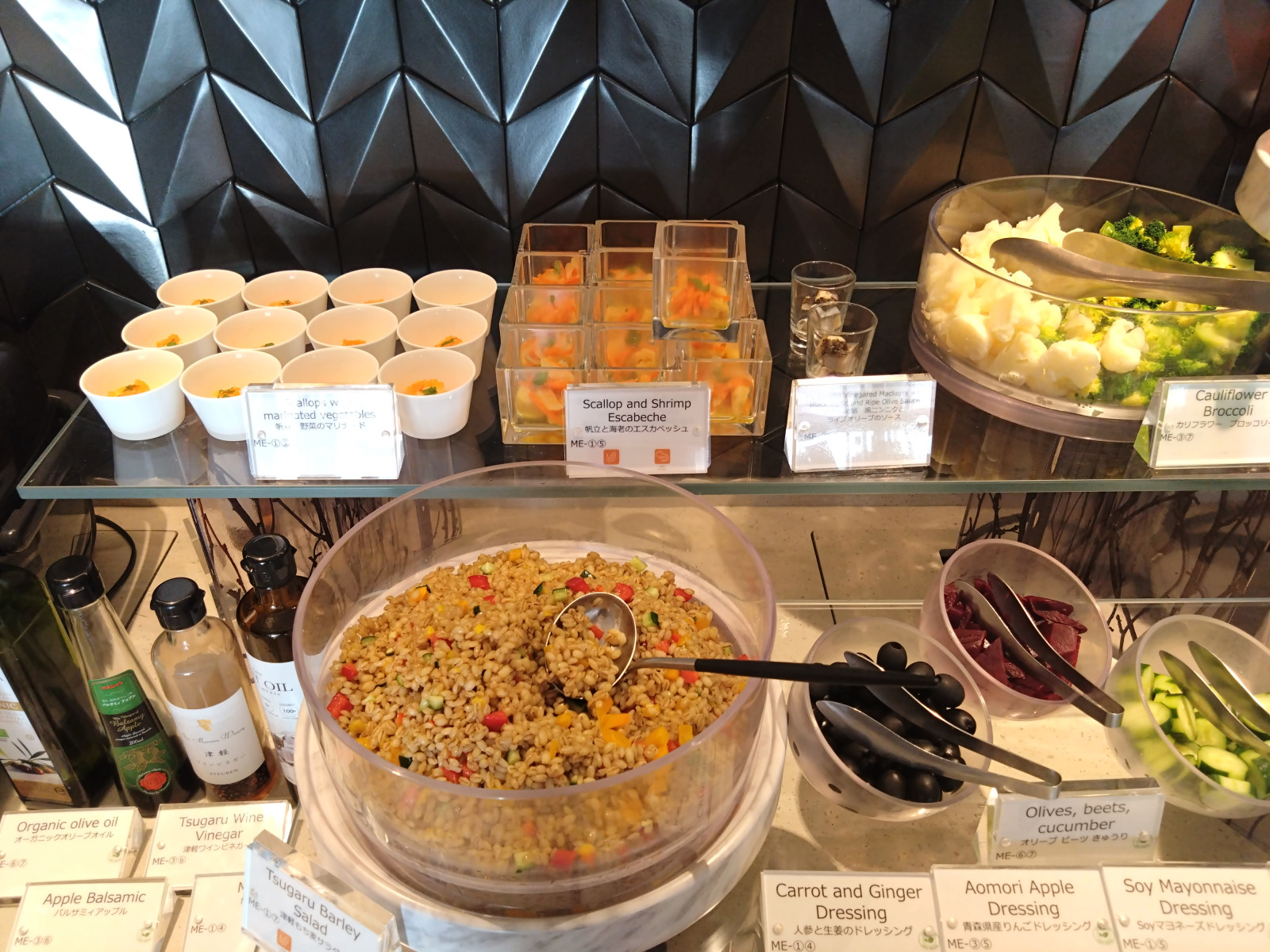
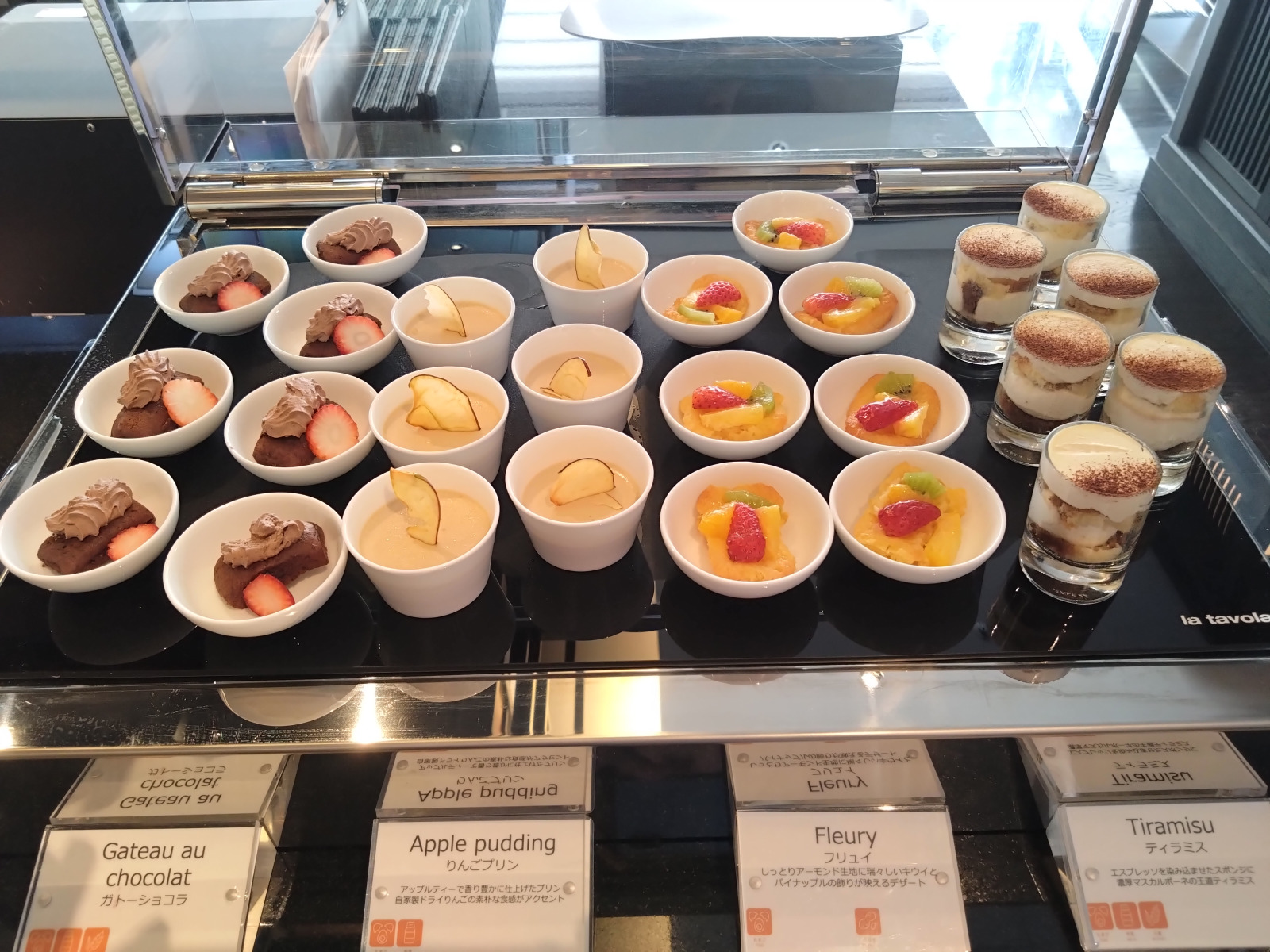
I woke up to a new day that was much less snowy than the previous one. Sunlight streamed into the breakfast venue, and I could even see patches of blue sky over Mutsu Bay through the windows. The breakfast buffet had offerings sure to satisfy the needs of any guest, whether austere and health-conscious or hearty and decadent, ranging from salad and low-carb French toast to scallop escabeche and freshly cooked omelets at the grill station. There were also plenty of vegetarian and even vegan options like plant-based “eggs.”
After breakfast, I headed to the yoga studio for a “fat-burning exercise” session. The cheerful instructor had me working up a sweat in no time, which was sorely needed after my breakfast overindulgences.
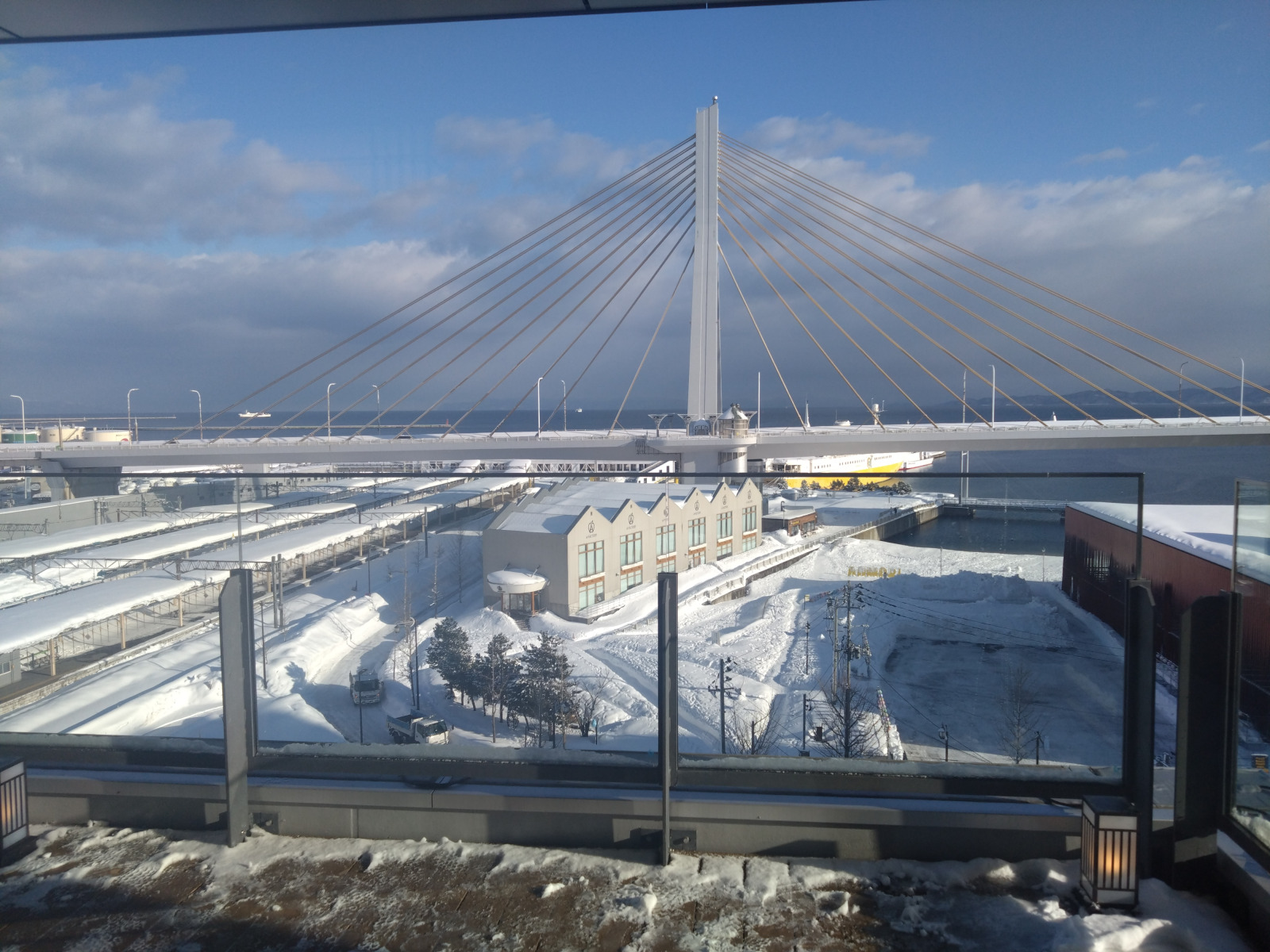
View from the lounge
Before checking out of ReLabo, I visited the lounge on the Wellness Floor to bask in the sunlight with a morning view of Mutsu Bay, as well as to enjoy a refreshing apple, pineapple, and coconut milk smoothie (smoothie flavors are rotated daily).
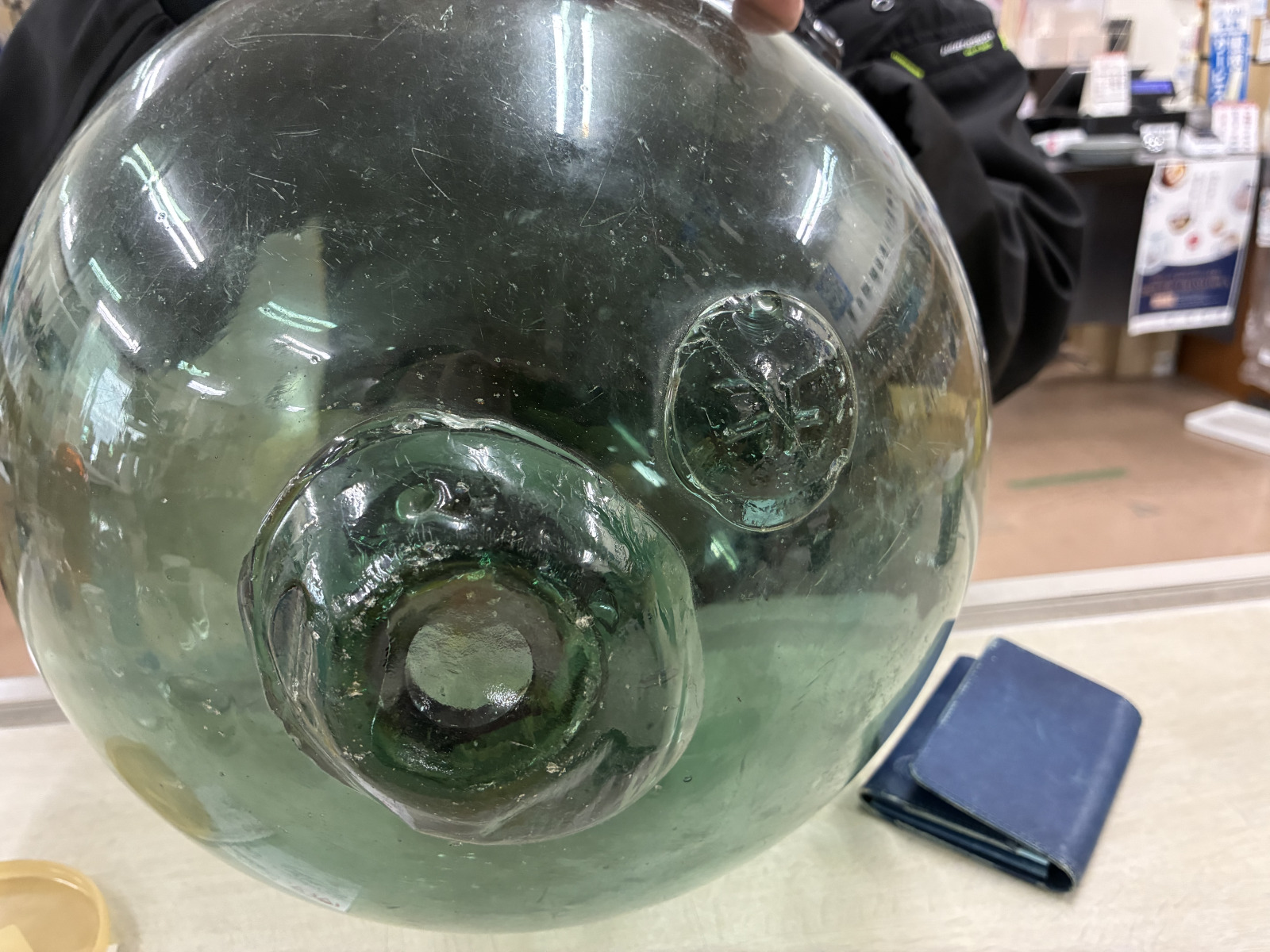
The story of Tsugaru Vidro began with glass floats like this one.
My main agenda this morning was a factory tour of Hokuyo Glass, the manufacturer of Tsugaru Vidro handmade glassware. Tsugaru Vidro, derived from the Portuguese word for “glass,” is a craft with roots in Aomori’s fishing industry. Hokuyo Glass initially made glass balls to keep fishermen’s nets afloat. However, as demand for glass fishing gear declined with the advent of cheaper plastic materials, the company transferred its glassblowing techniques to everyday items like vases and dishware. One day, on a whim, an artisan added sand from Aomori’s Shichiri-Nagahama coast to the glass, resulting in a beautiful green color. Thanks to the popularity of this colored glass, the company’s artisans soon developed ways to create a wide variety of other hues.
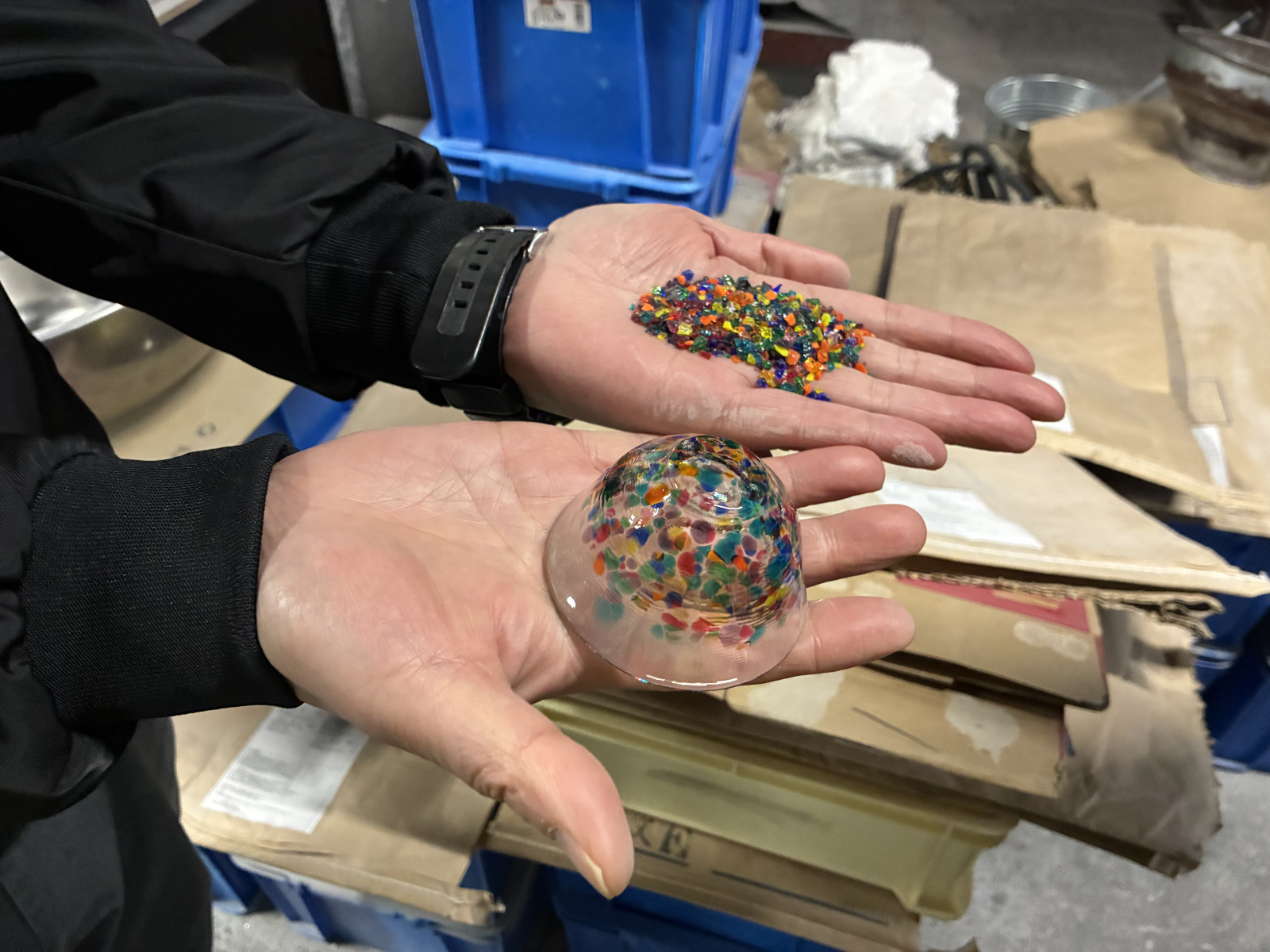
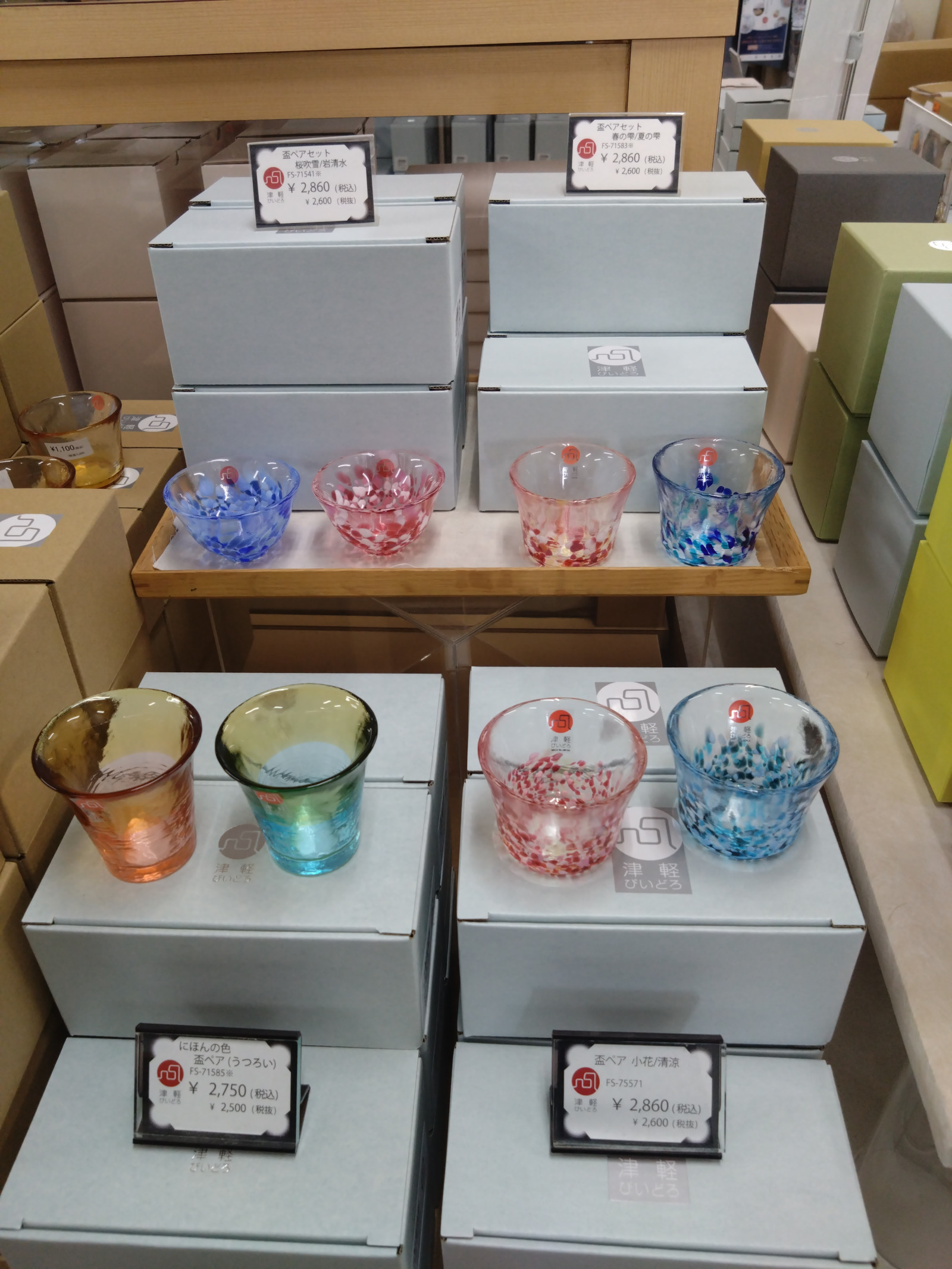
The many colors of Tsugaru Vidro
As the head of the factory explained, the colorful designs of Tsugaru Vidro glassware are all inspired by the scenery of Aomori’s four seasons, starting with the pink cherry blossoms of Hirosaki Park in spring, the bold colors of Nebuta Matsuri festival floats in summer, the hues of the changing leaves around Lake Towada in autumn, and the snow-blanketed slopes of the Hakkoda Mountains in winter.
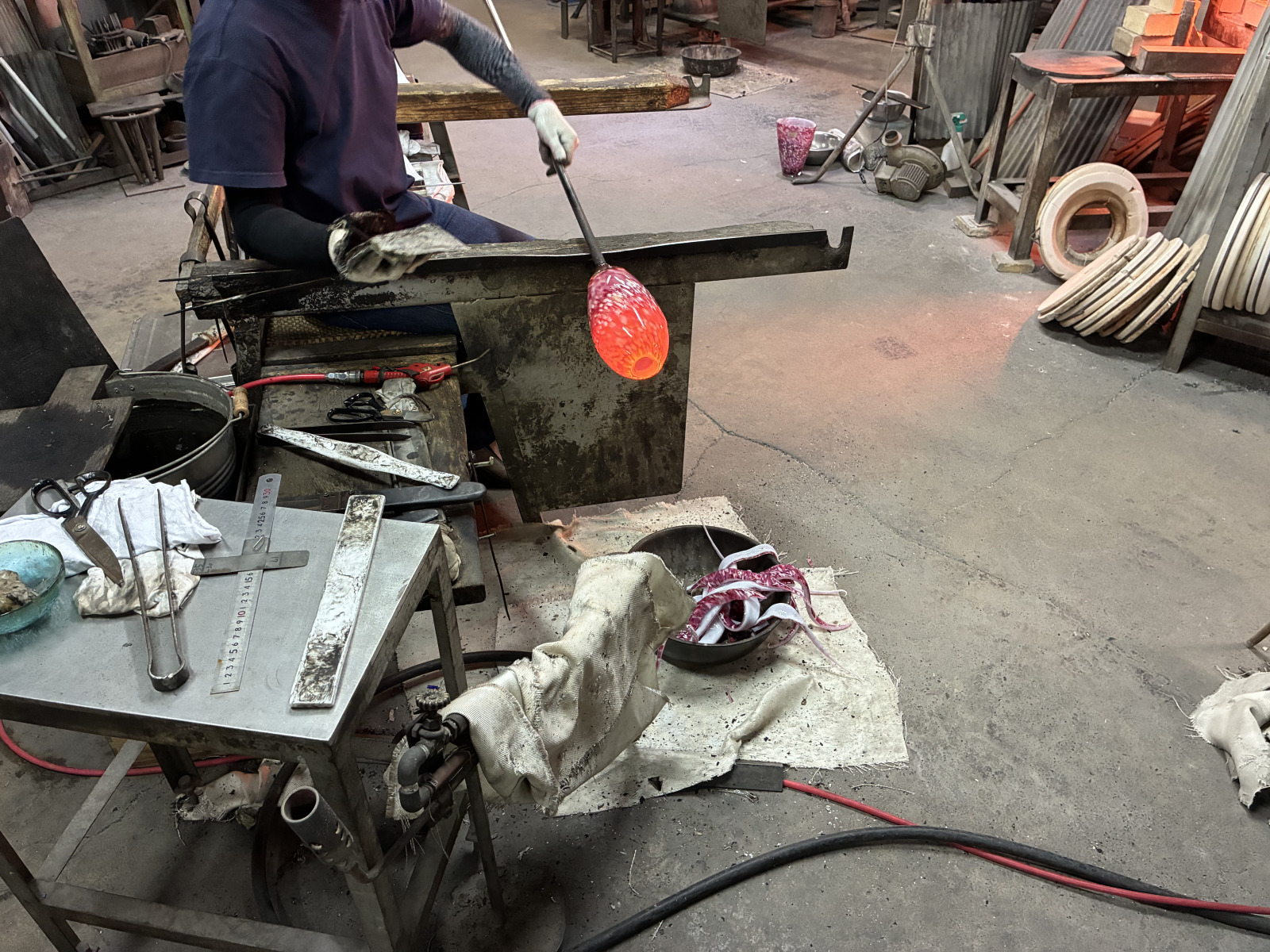
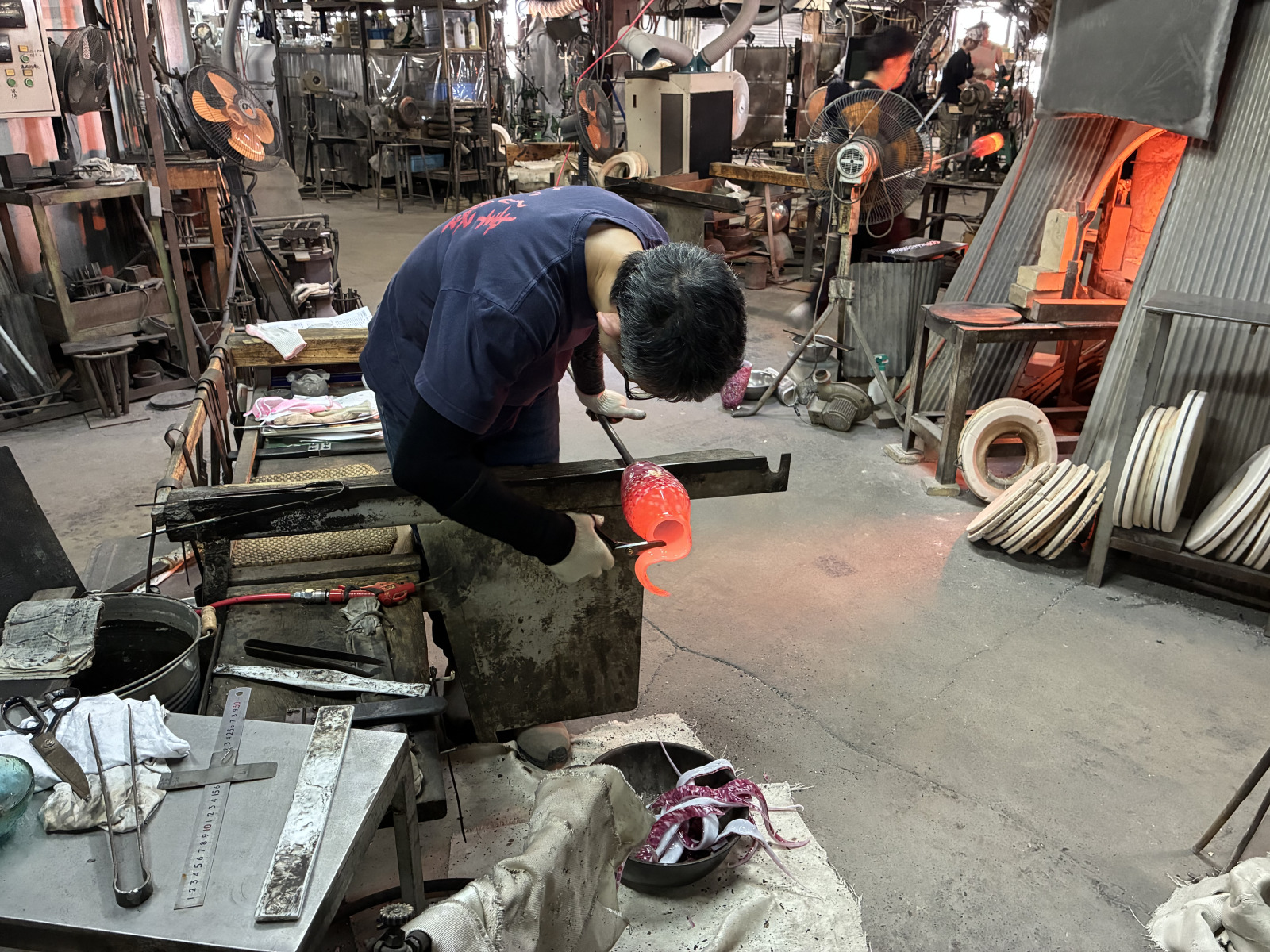
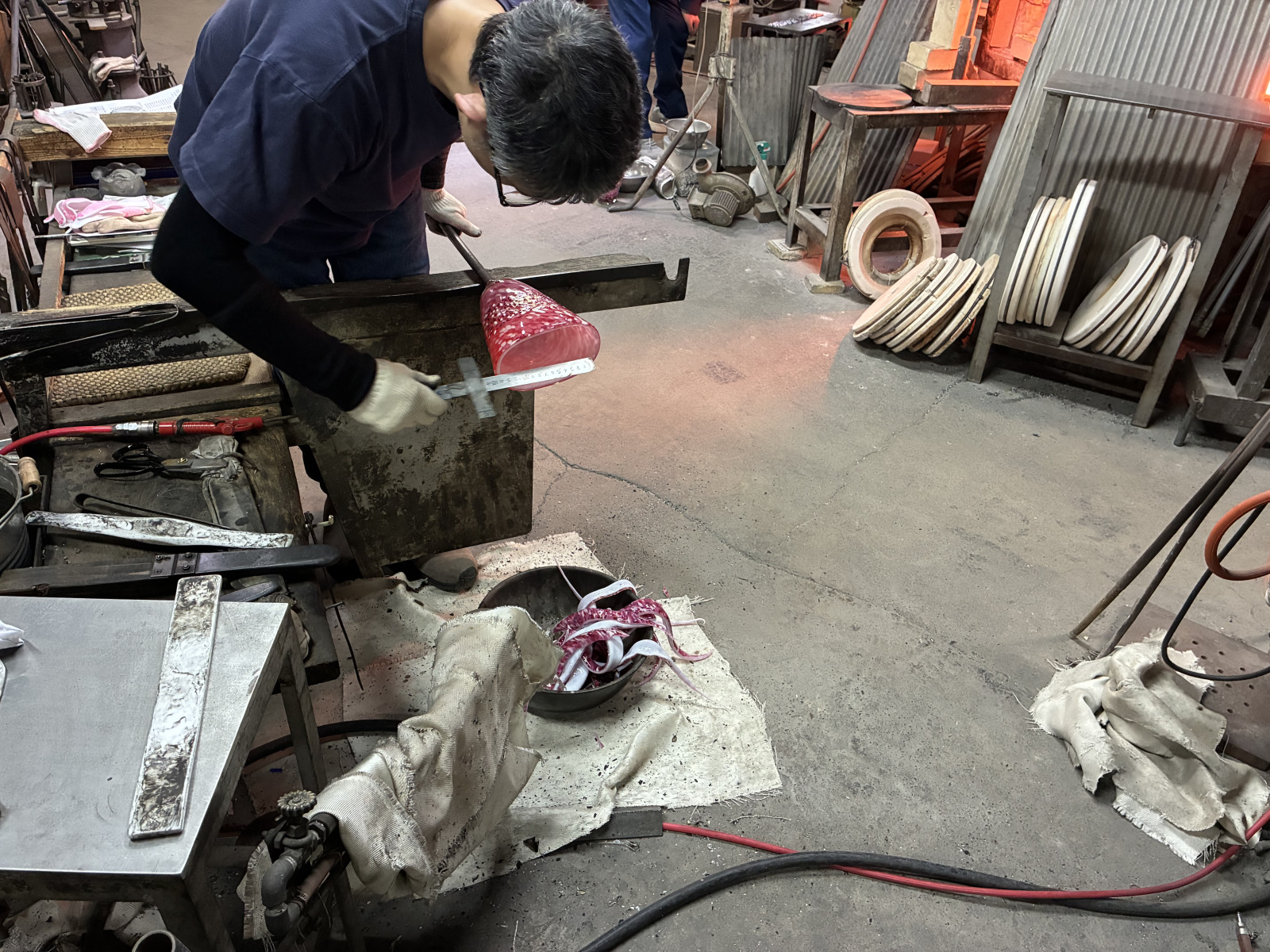
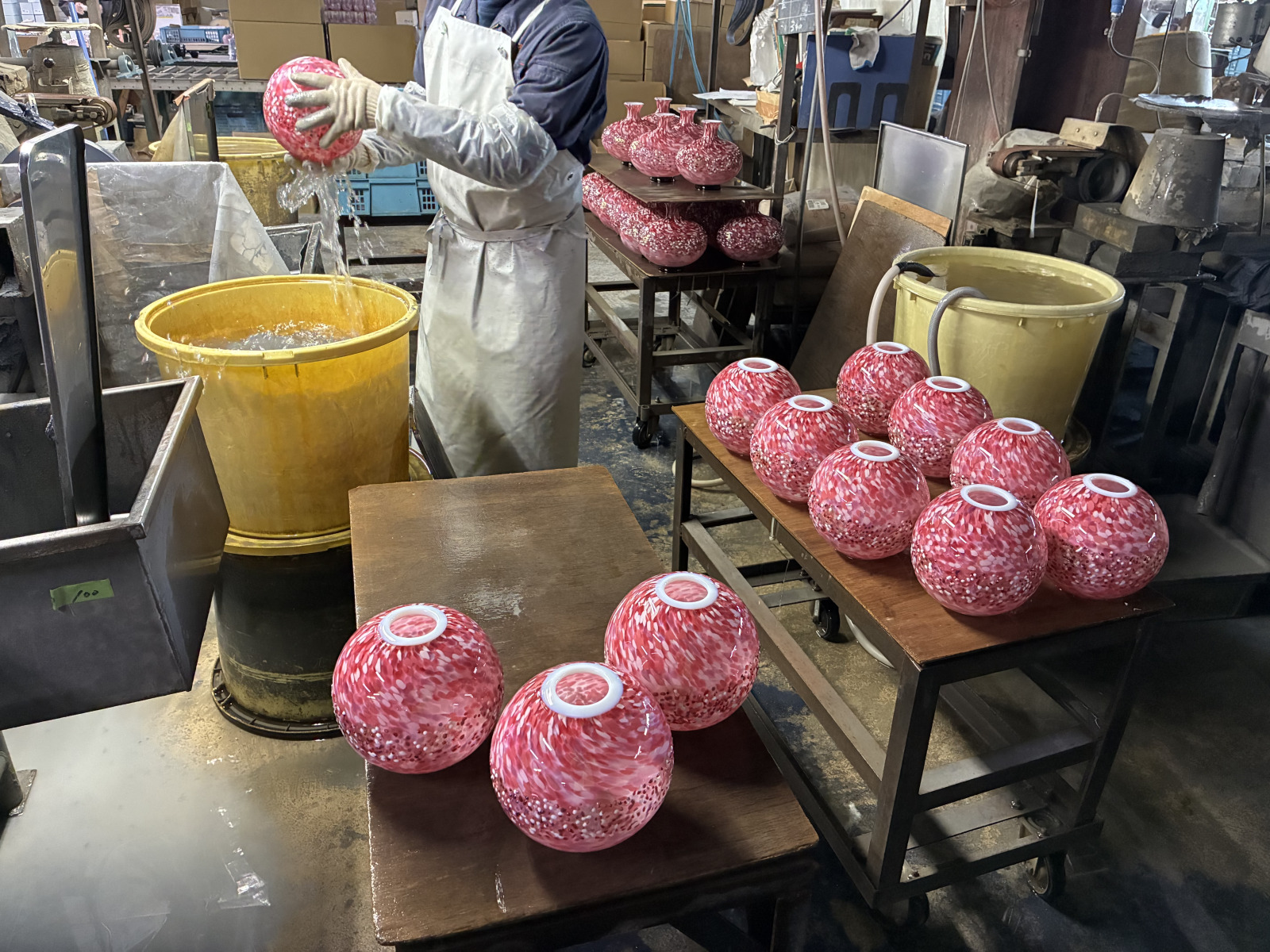
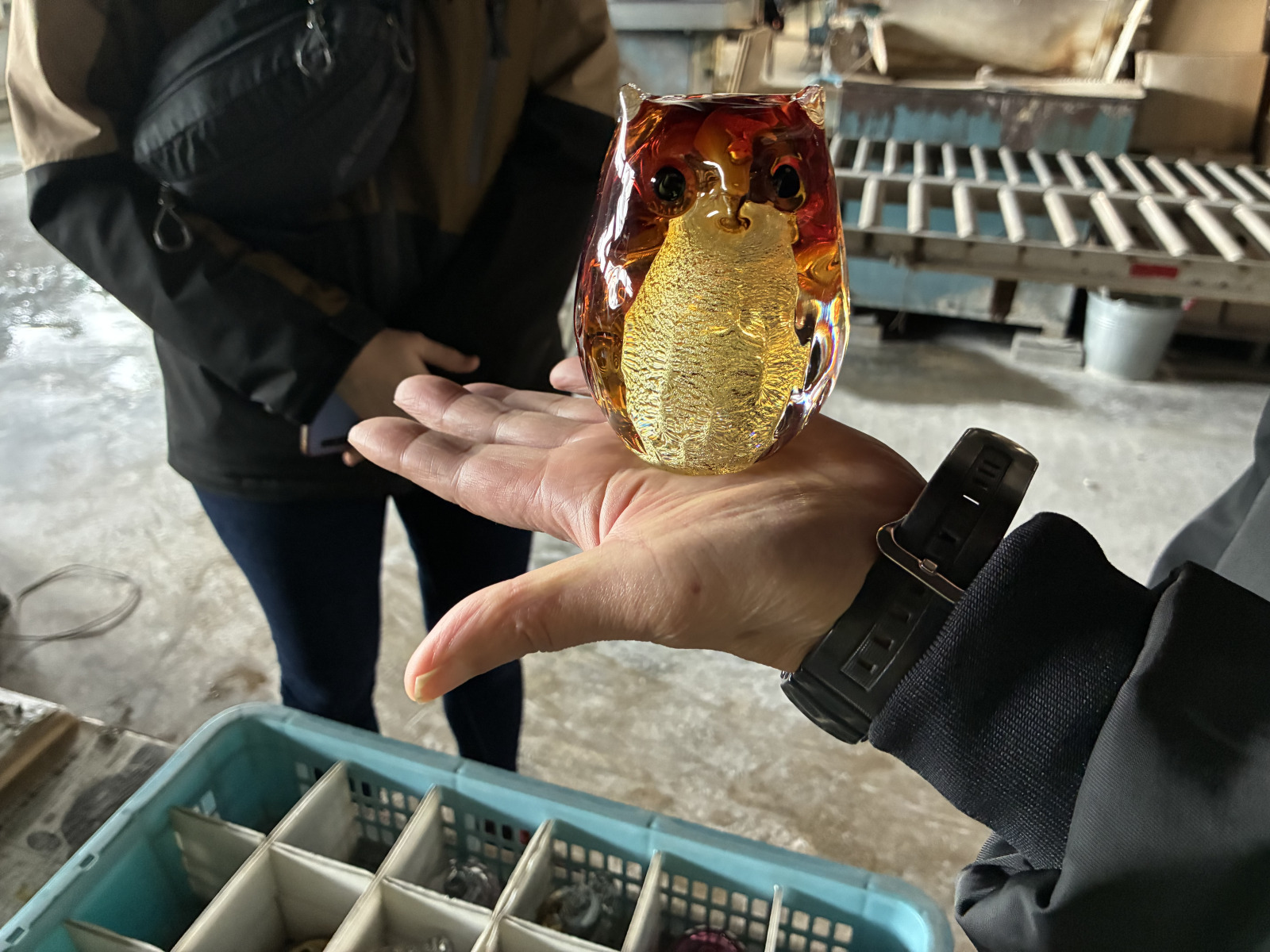
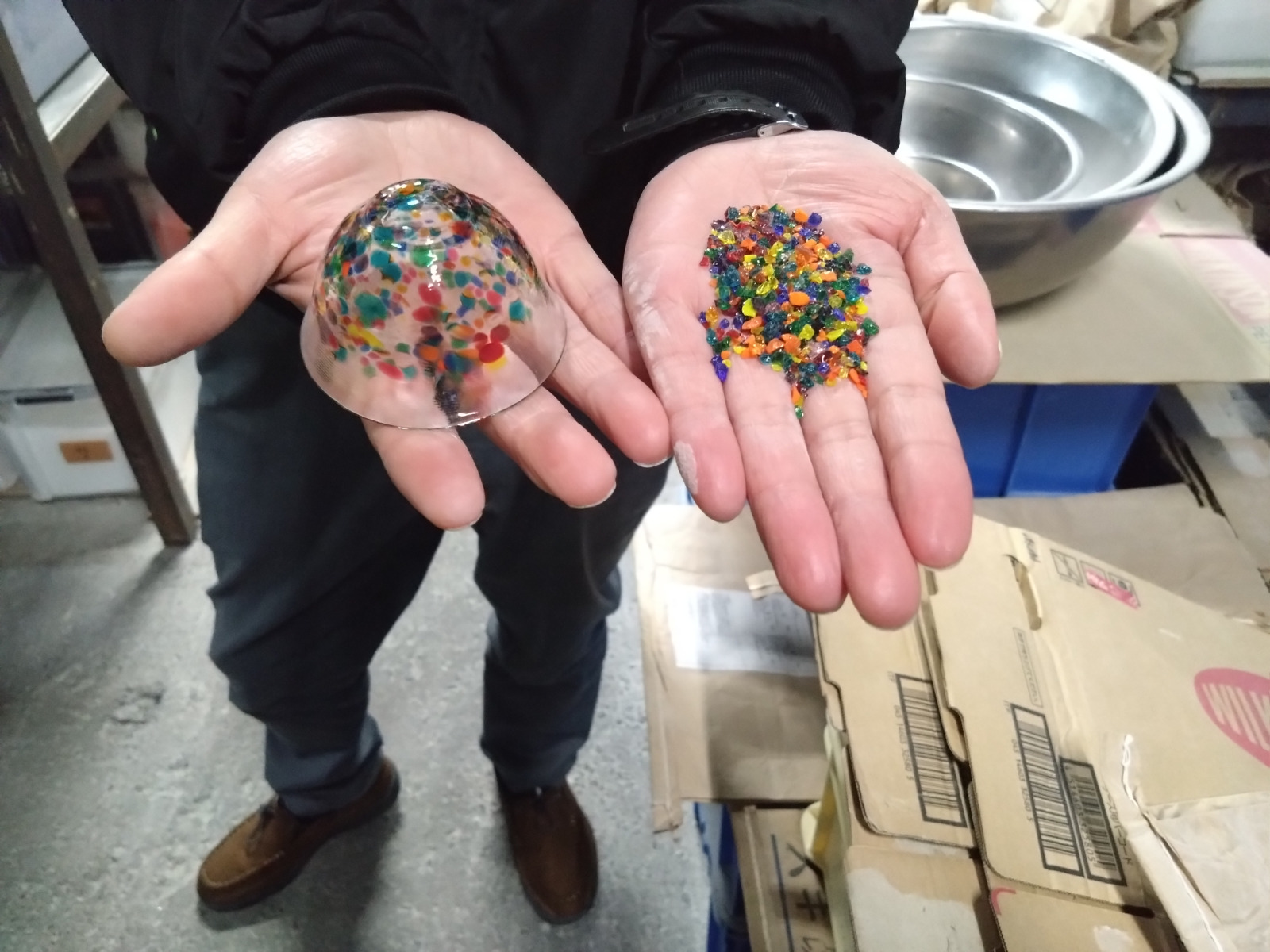
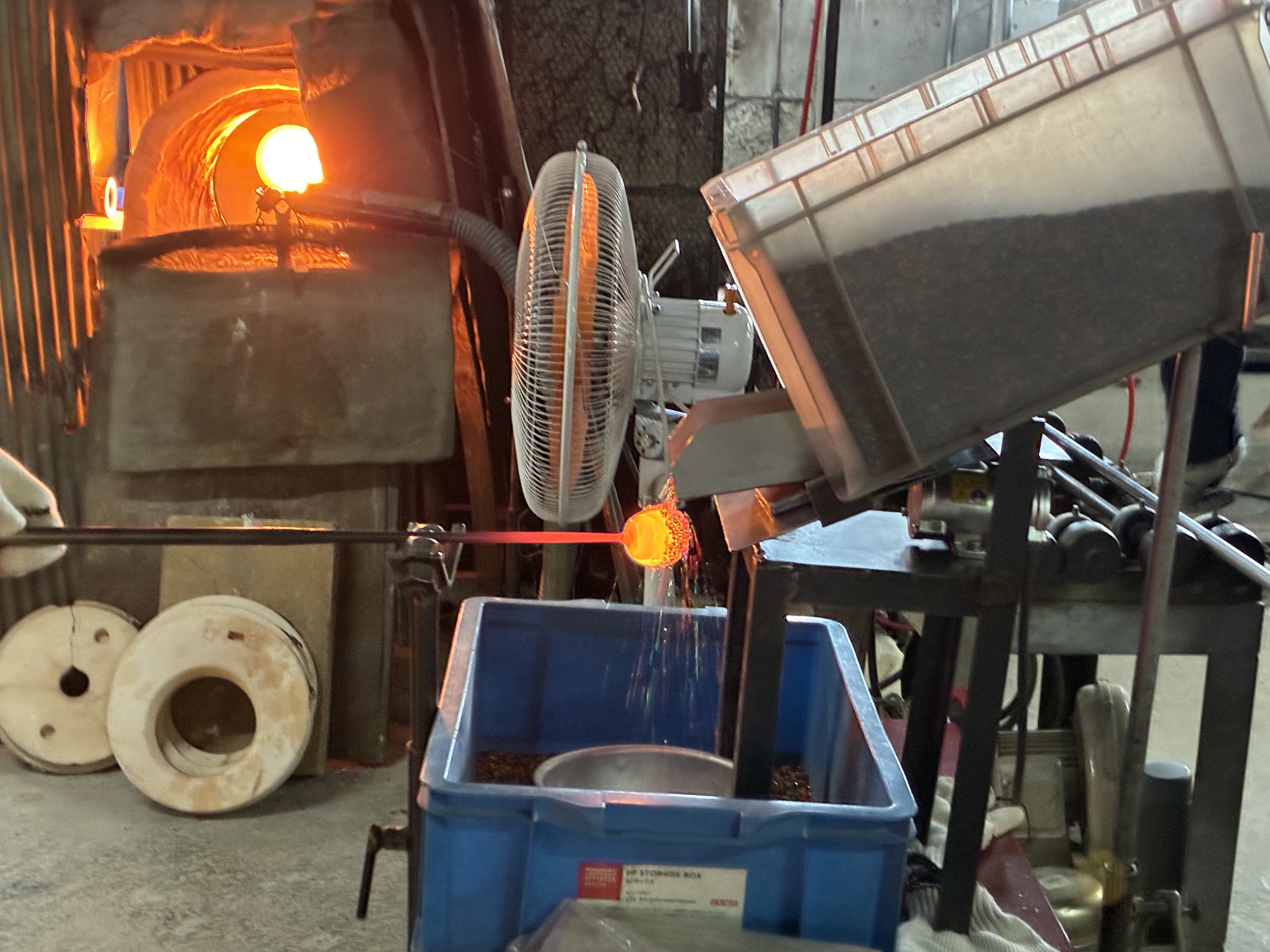
In the factory, I watched a team of dozens of artisans painstakingly melt, shape, and smooth individual items of glassware. Despite the blistering winter wind outside, the interior of the factory was as warm as a summer day thanks to the heat of the furnaces. I saw how colorful glass beads were fused to each item to create the distinctive designs of Tsugaru Vidro. One of the techniques used to create Tsugaru Vidro is free-blowing, in which molten glass is inflated to the desired shape using a blowpipe. Although this technique gives the artisan a great deal of freedom in shaping the glass, it requires an extremely high level of control, and I was astonished by the skill on display right before my eyes.
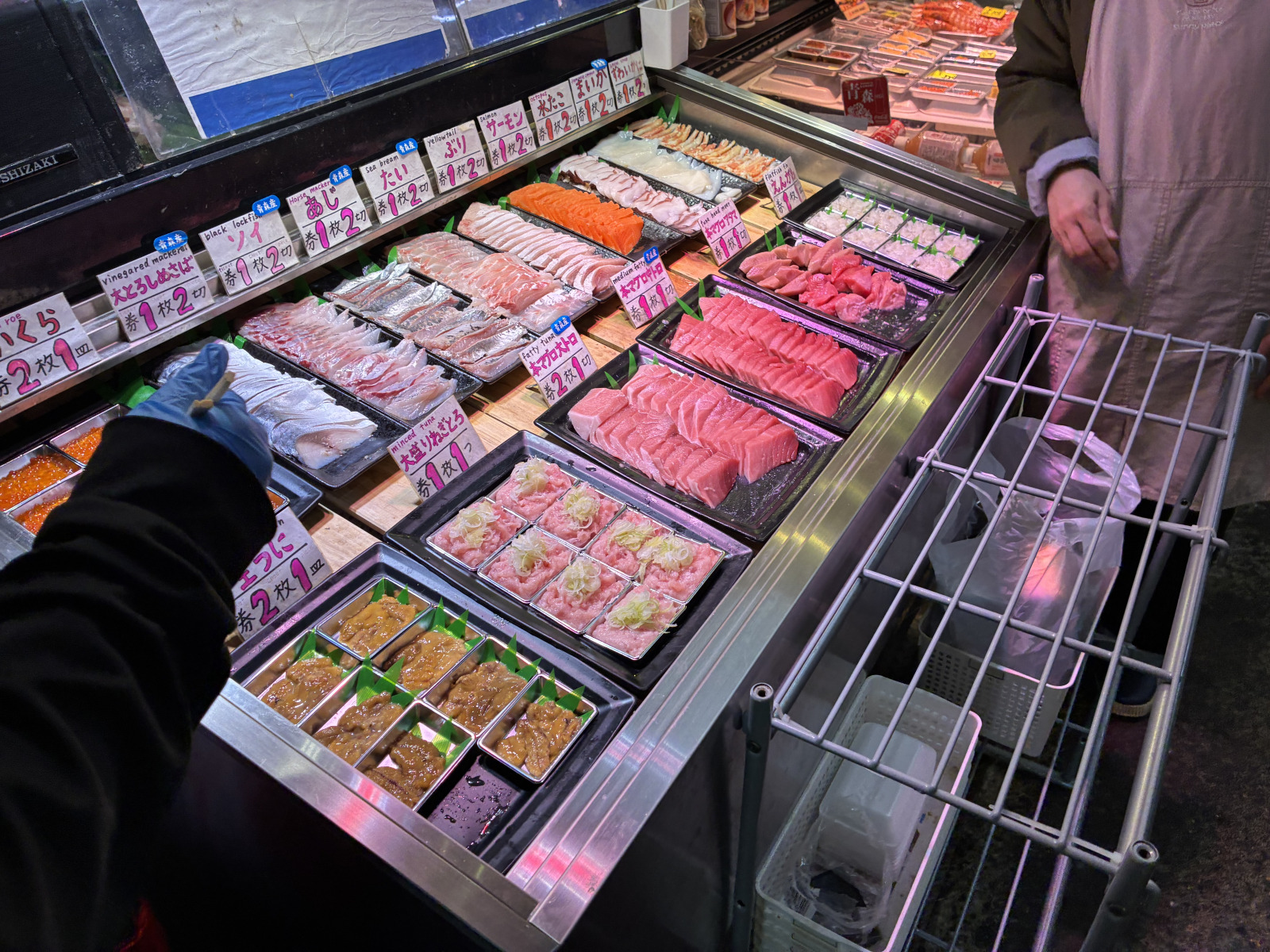
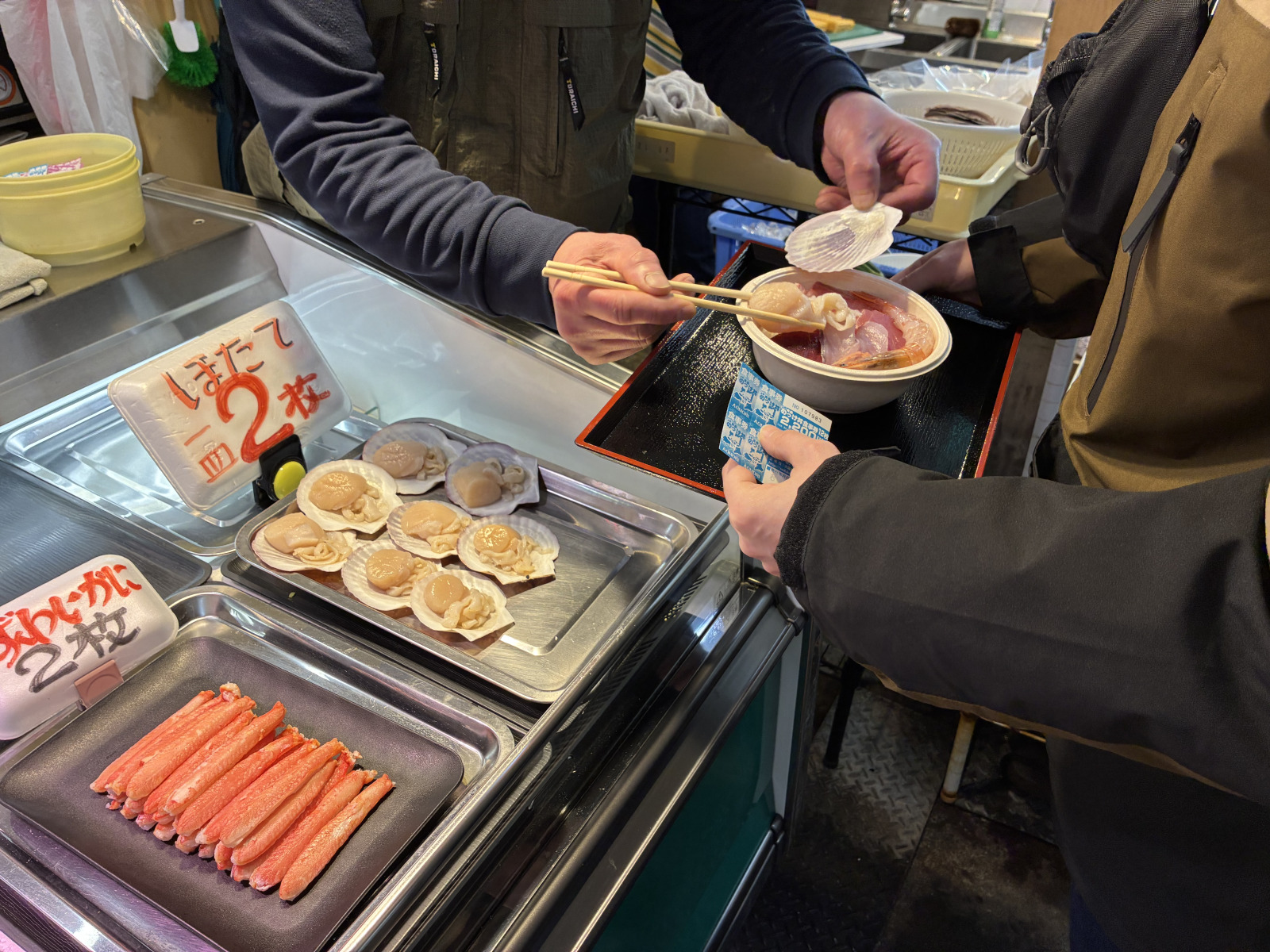
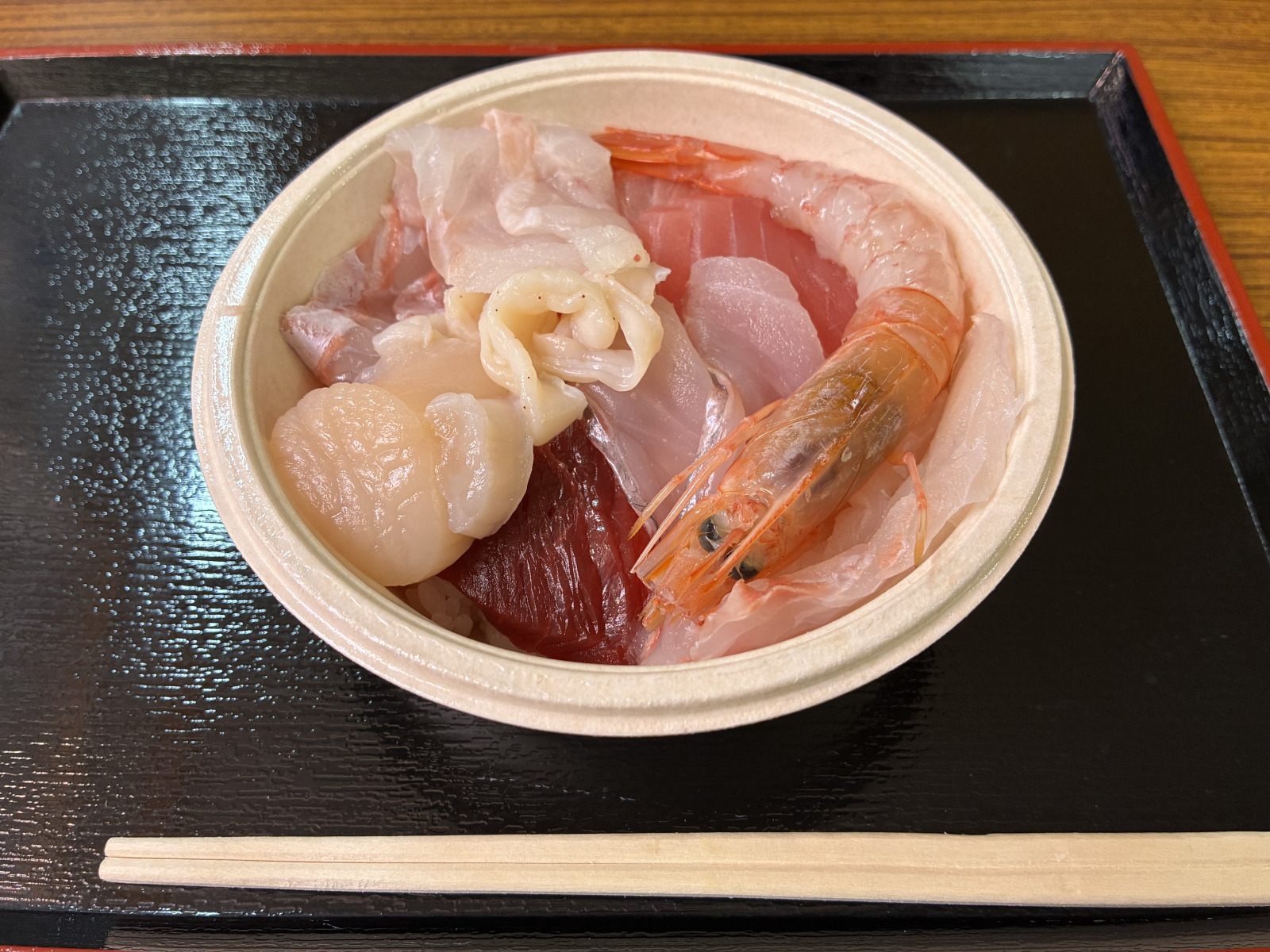
Finally, before heading back to the airport, I made a lunch stop at Aomori Gyosai Center (Furukawa Market), home of the famous Nokkedon “build-your-own” seafood rice bowl. Only about a five-minute walk from Aomori Station, the market was easily recognizable with its large, colorful sign. At the information counter near the entrance, I purchased a set of twelve tickets, the first of which I exchanged for a warm bowl of steamed rice (you can also supersize your portion of rice for an additional ticket). Then, I roamed the stalls where my remaining tickets could be exchanged for nearly every possible kind of sashimi as well as miso soup and other side dishes. In addition to classic favorites like salmon, shrimp, and scallop, I was able to choose from among winter delicacies like premium Oma tuna (three tickets) and black rockfish and flounder. Self-service soy sauce, wasabi, tea, and water were available in the dining areas set up in various locations throughout the market.
After lunch, the temperature warmed even further, and the bright sun illuminated my journey back to the airport. I was sad to say goodbye to this winter wonderland but now knew that a similarly magical experience could be waiting for me every winter if I chose to venture to the beautiful prefecture of Aomori.