Tsugaru-nuri Lacquerware
A traditional craft of the Tsugaru region
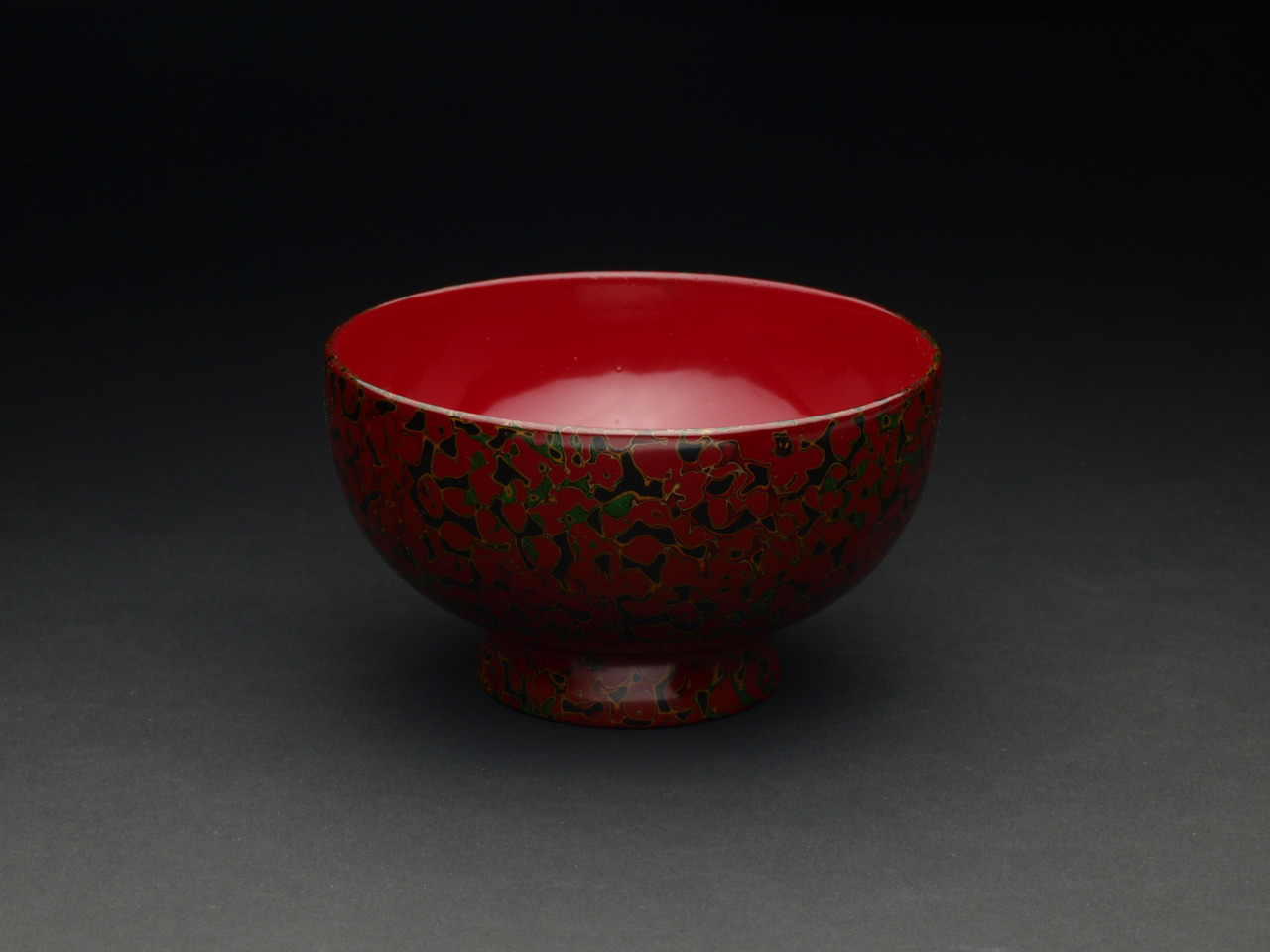
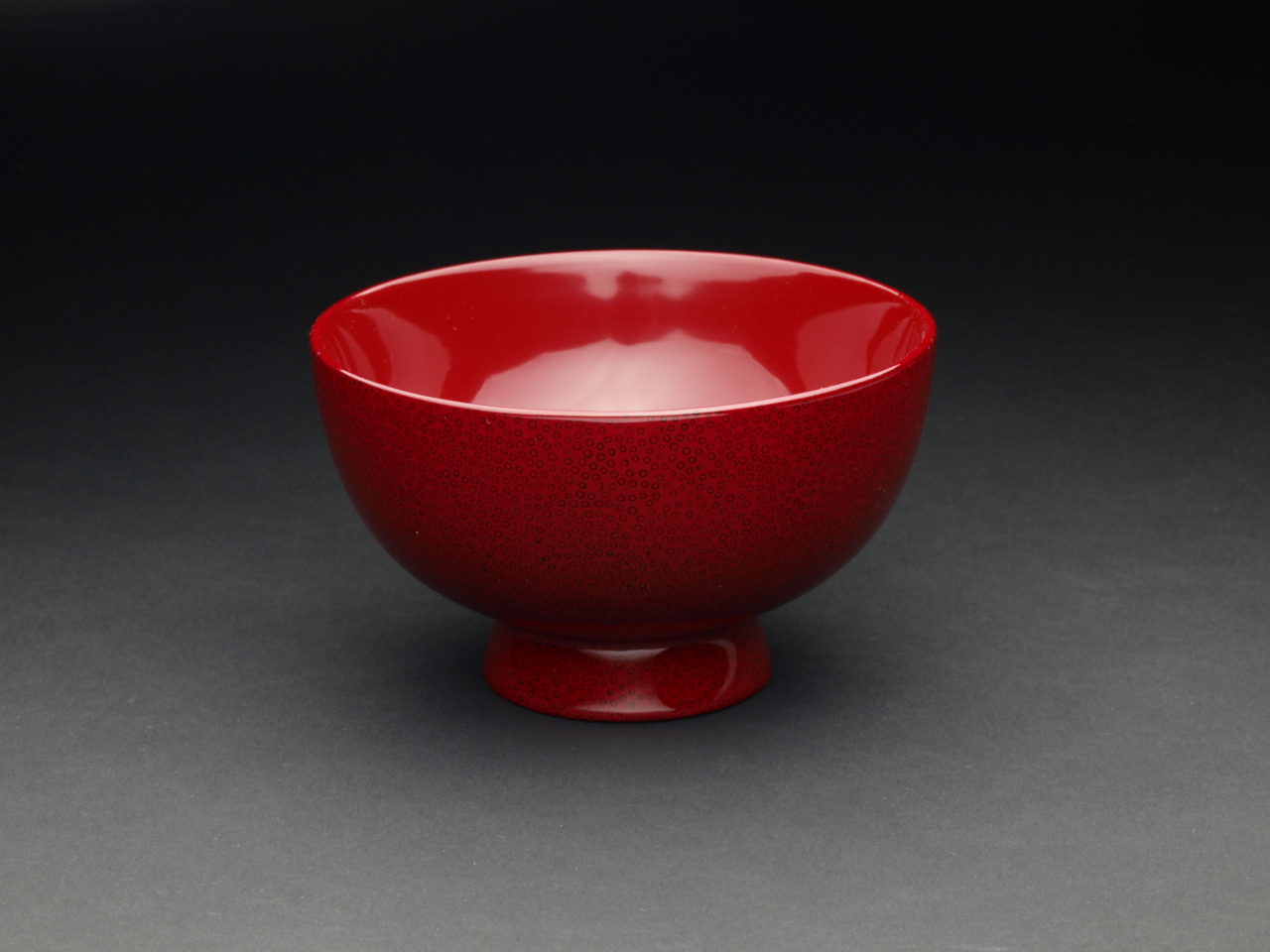
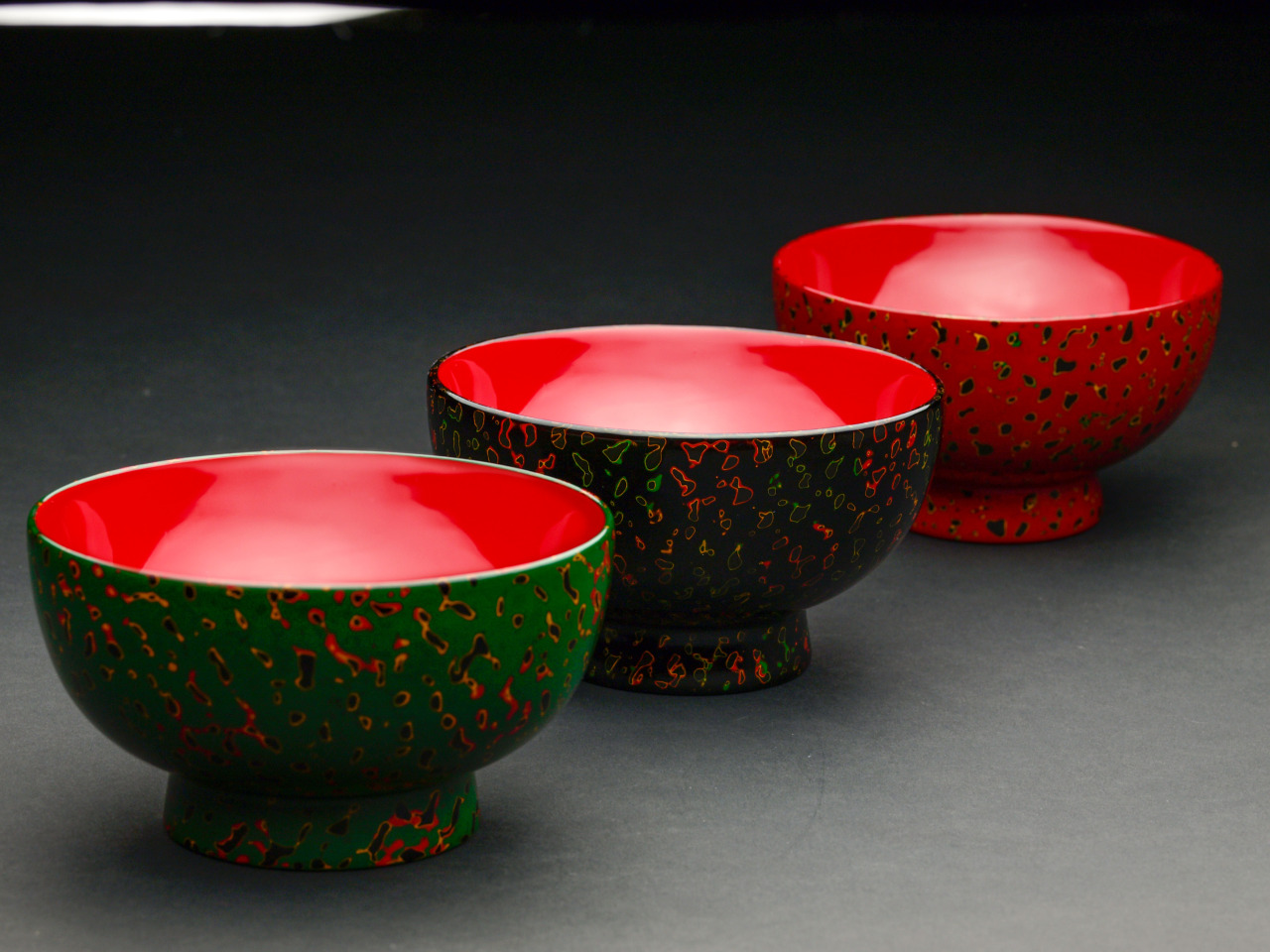
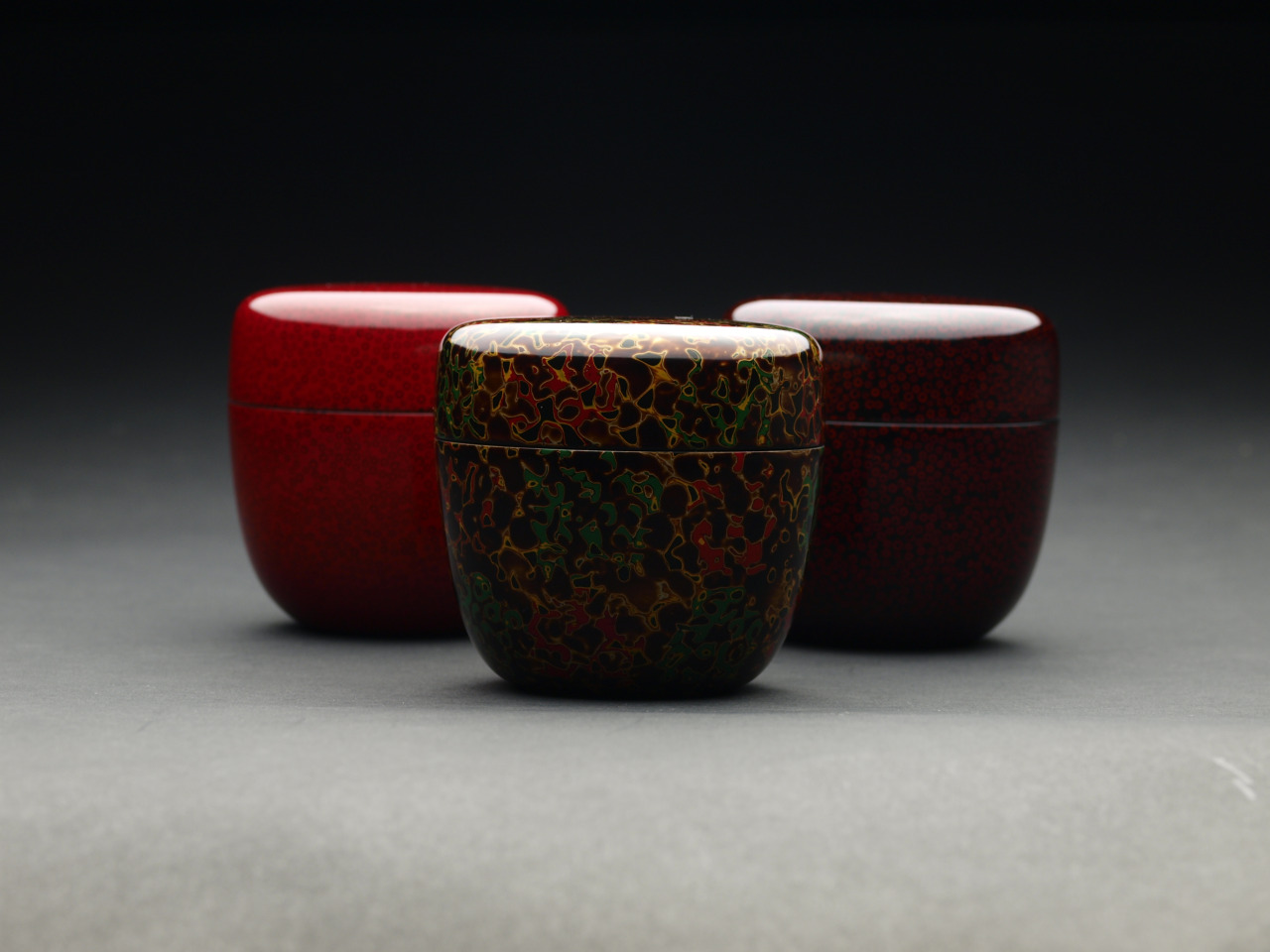
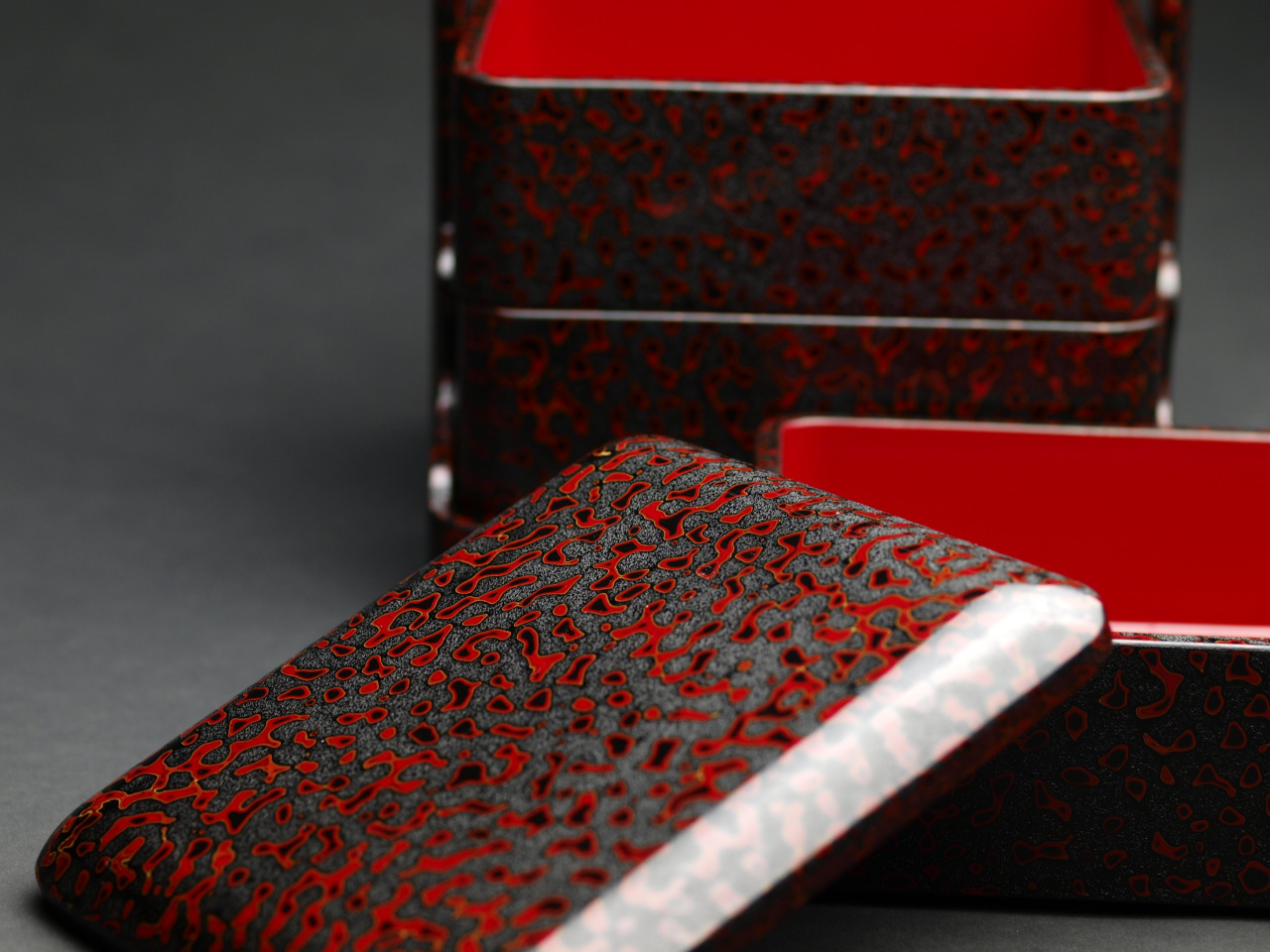
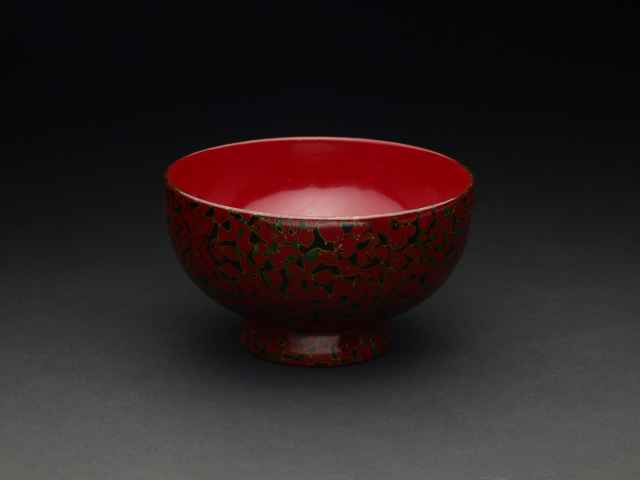
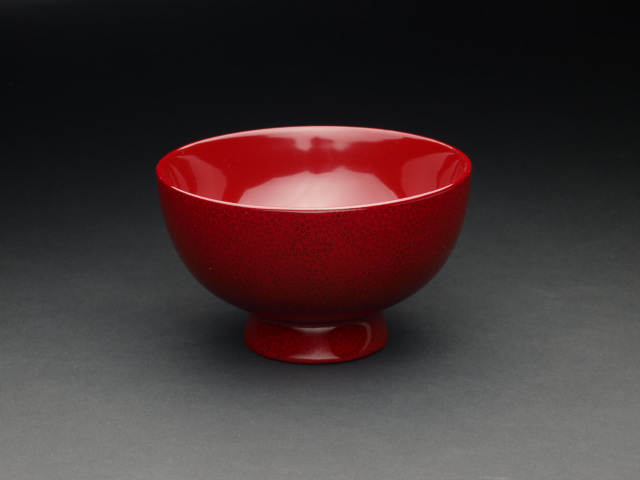
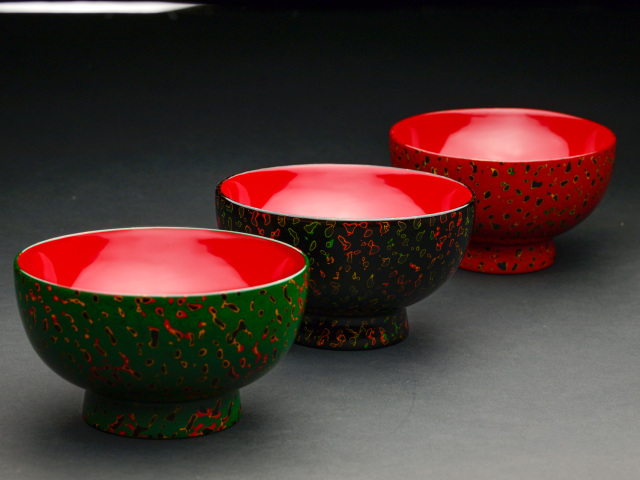
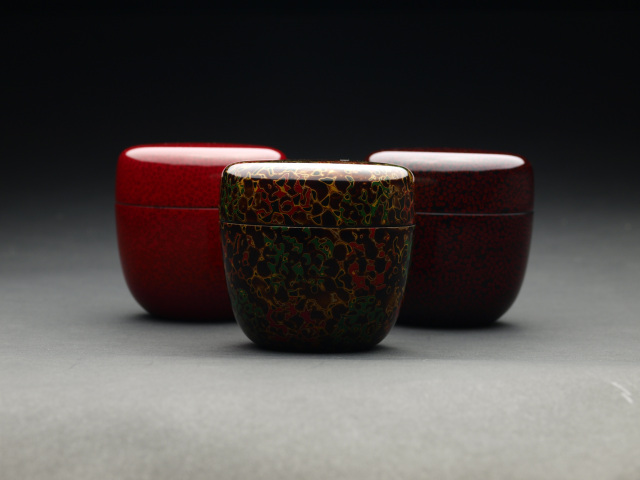
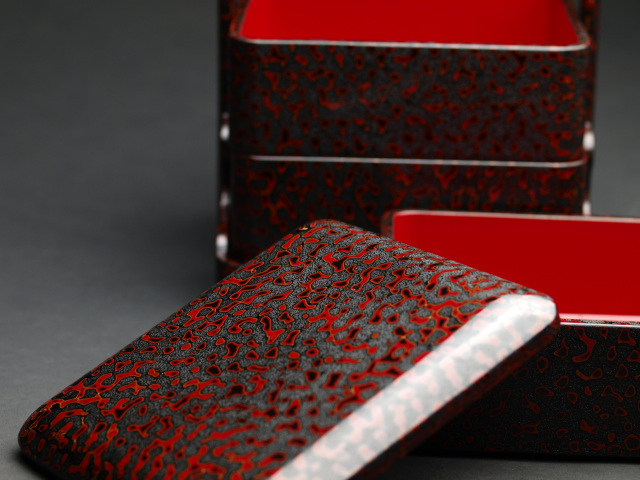
Tsugaru-nuri lacquerware is a unique tradition in the Tsugaru region of Aomori Prefecture dating back over 300 years. The bright colors of its numerous layers of lacquer and its elaborate designs give it an elegant appearance, while at the same time, the lacquerware itself is very durable. This practical utility is another of Tsugaru-nuri’s main features.
The craft is said to have become widely known when Aomori Prefecture submitted lacquerware traditionally produced in the Tsugaru region to the 1873 Vienna World’s Fair under the name “Tsugaru-nuri.” It is currently certified as a traditional craft by the Japanese government, and its production method has been registered as an Important Intangible Cultural Property.
Tsugaru-nuri lacquerware is produced by specialized artisans who expend a great deal of time and labor. The object is first covered with numerous layers of lacquer, which are then polished away with a locally made whetstone via unique techniques, revealing elaborate, elegant lacquer designs. Depending on the techniques, over forty individual steps and more than two months may be required to finish the object. The reliable quality backed by this traditional, yet sophisticated technique has drawn acclaim not only in Japan but overseas as well.
Tsugaru-nuri lacquerware can be purchased at a number of shops in the Tsugaru region of Aomori Prefecture, and there are even facilities where visitors can experience the process of Tsugaru-nuri lacquering. Come visit the Tsugaru region and discover the beauty of traditional Tsugaru-nuri lacquerware for yourself!
- Area
- Tsugaru area
General Information
- Address
- 青森県津軽地方
- Contact
- Aomori Lacquerware Federation
- Telephone Number
- 0172-35-3629
- Website
- TSUGARU NURI (Aomori Lacquerware Federation)
Basic Information
- Multilingual
Staff - Multilingual
Signs - Free Wi-Fi
- Contactless
Payments - Tax Free
- Parking Lot
- Barrier-Free
Toilet - Barrier-Free
COVID-19 Prevention
- Face Masks
Required - Sanitizing
Stations - Temperature
Checks - Physical
Distancing