Handmade with Love in Aomori: Make-Your-Own and Crafting Experiences
Aomori Prefecture is home to a number of distinctive local crafts that combine beauty with functionality. Why not try your own hand at making one of them? And if you’re not the most confident in your handcrafting skills, there’s a culinary make-your-own experience that you can enjoy as well! Read on to find out more.
Handmade Workshop IRODORI (Kuroishi City)
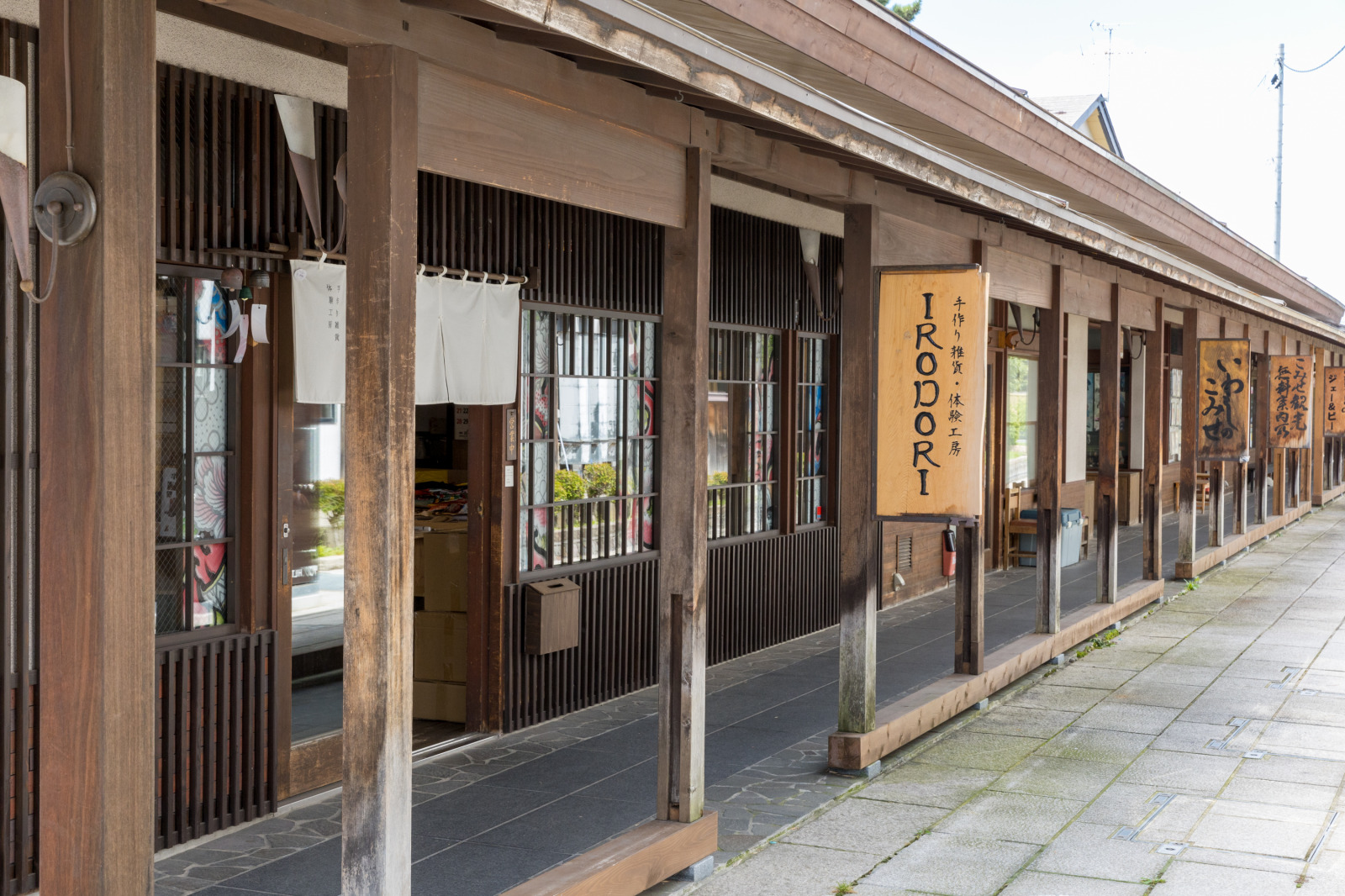
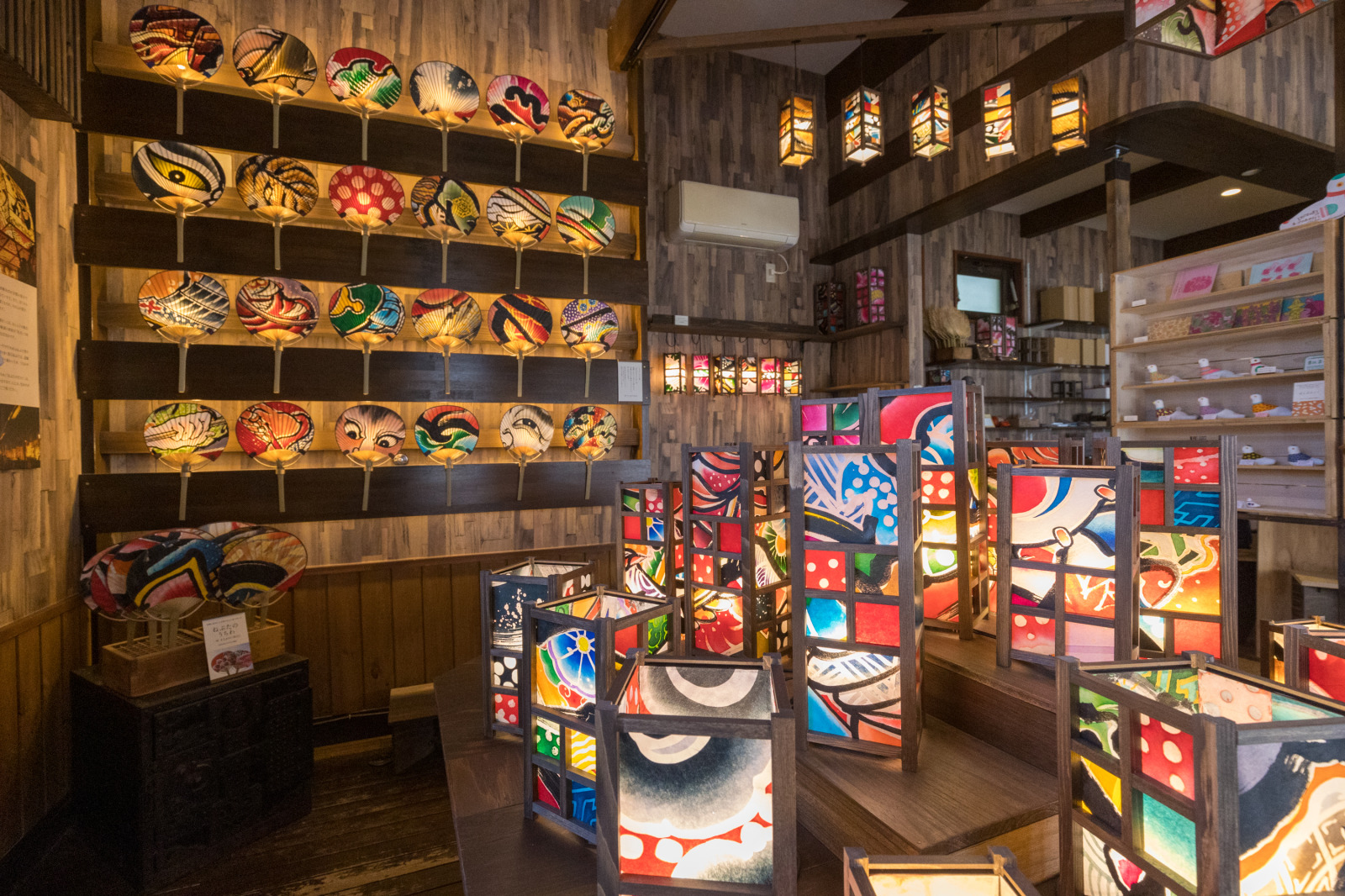
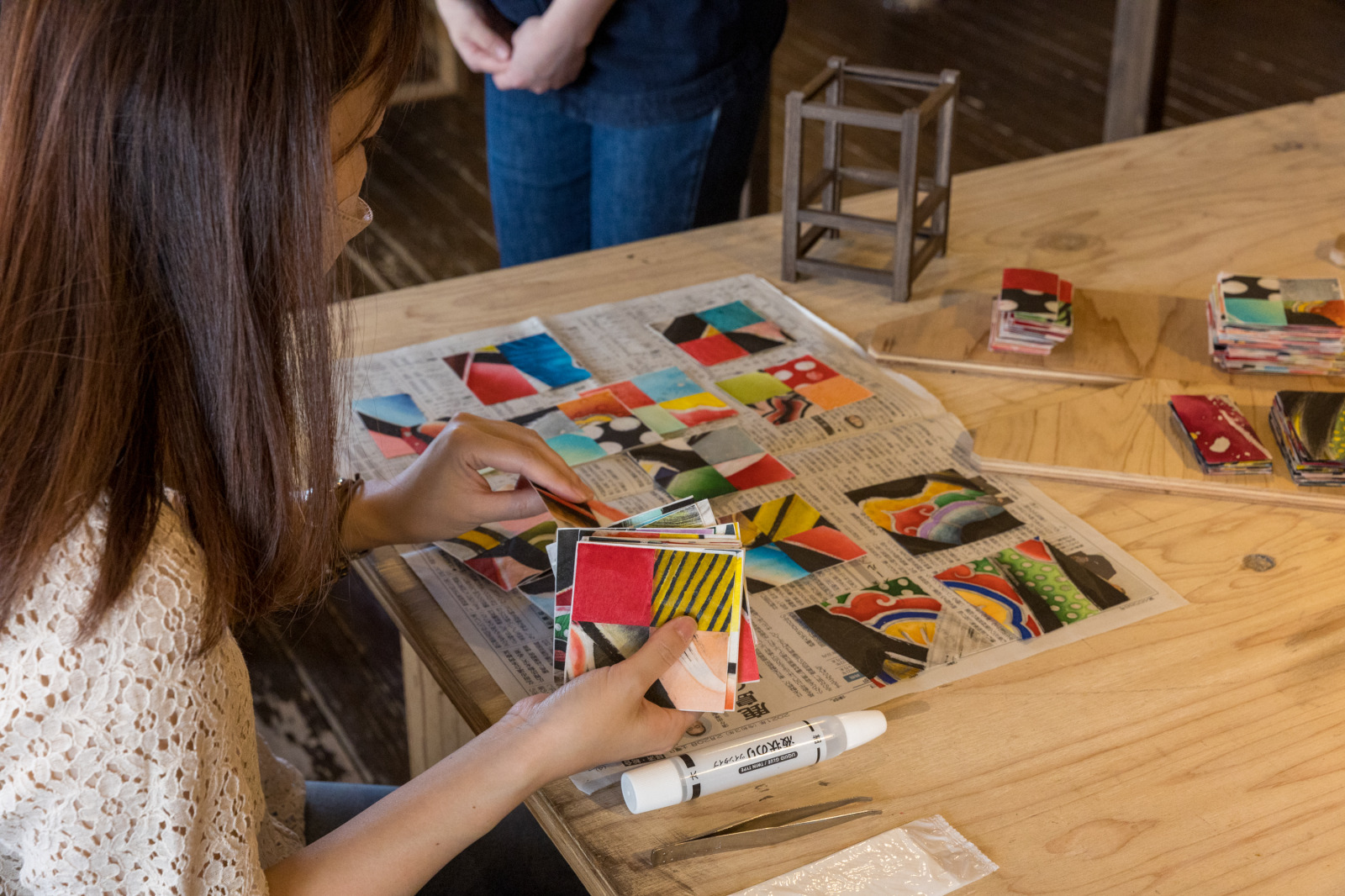
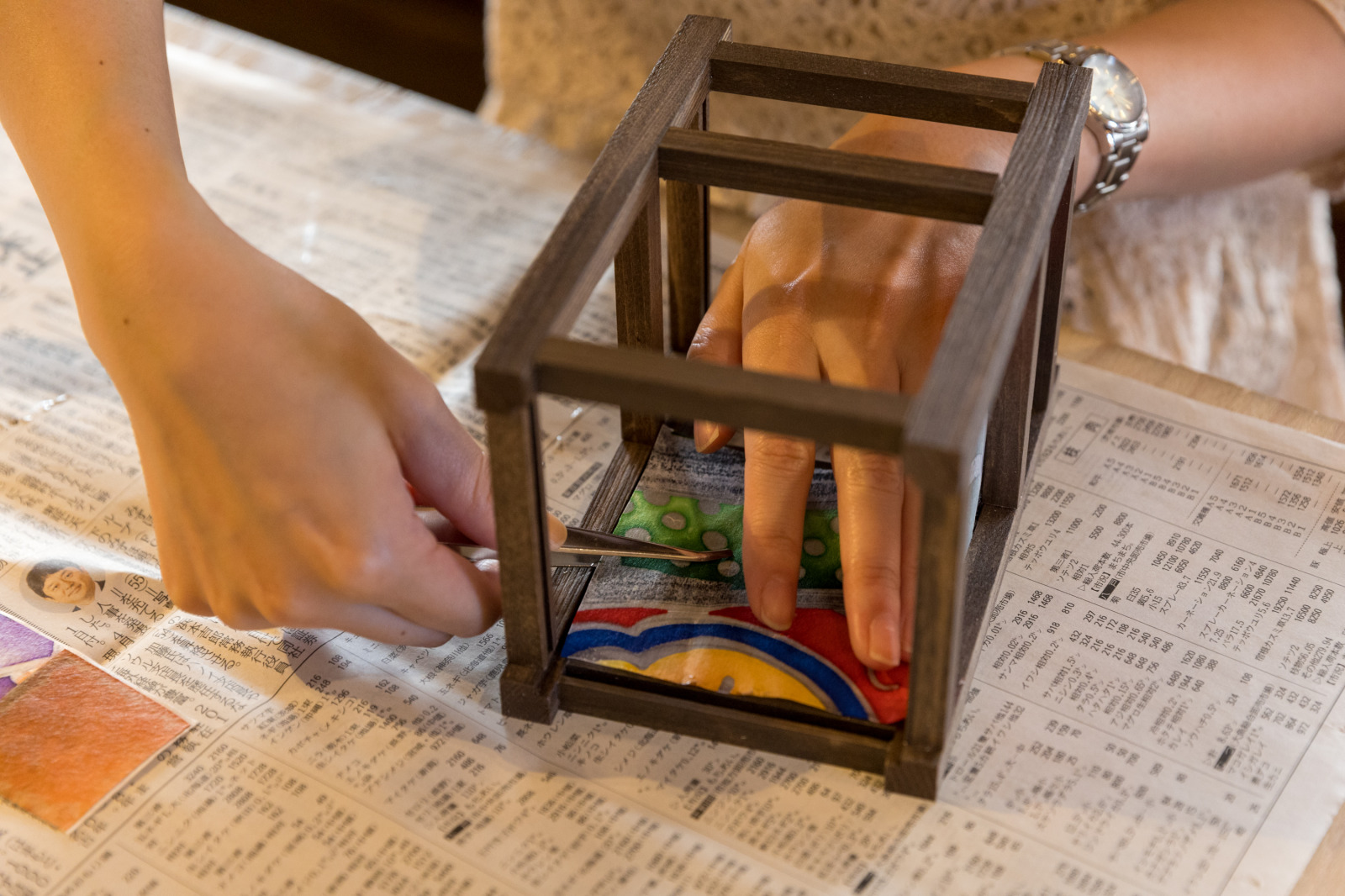
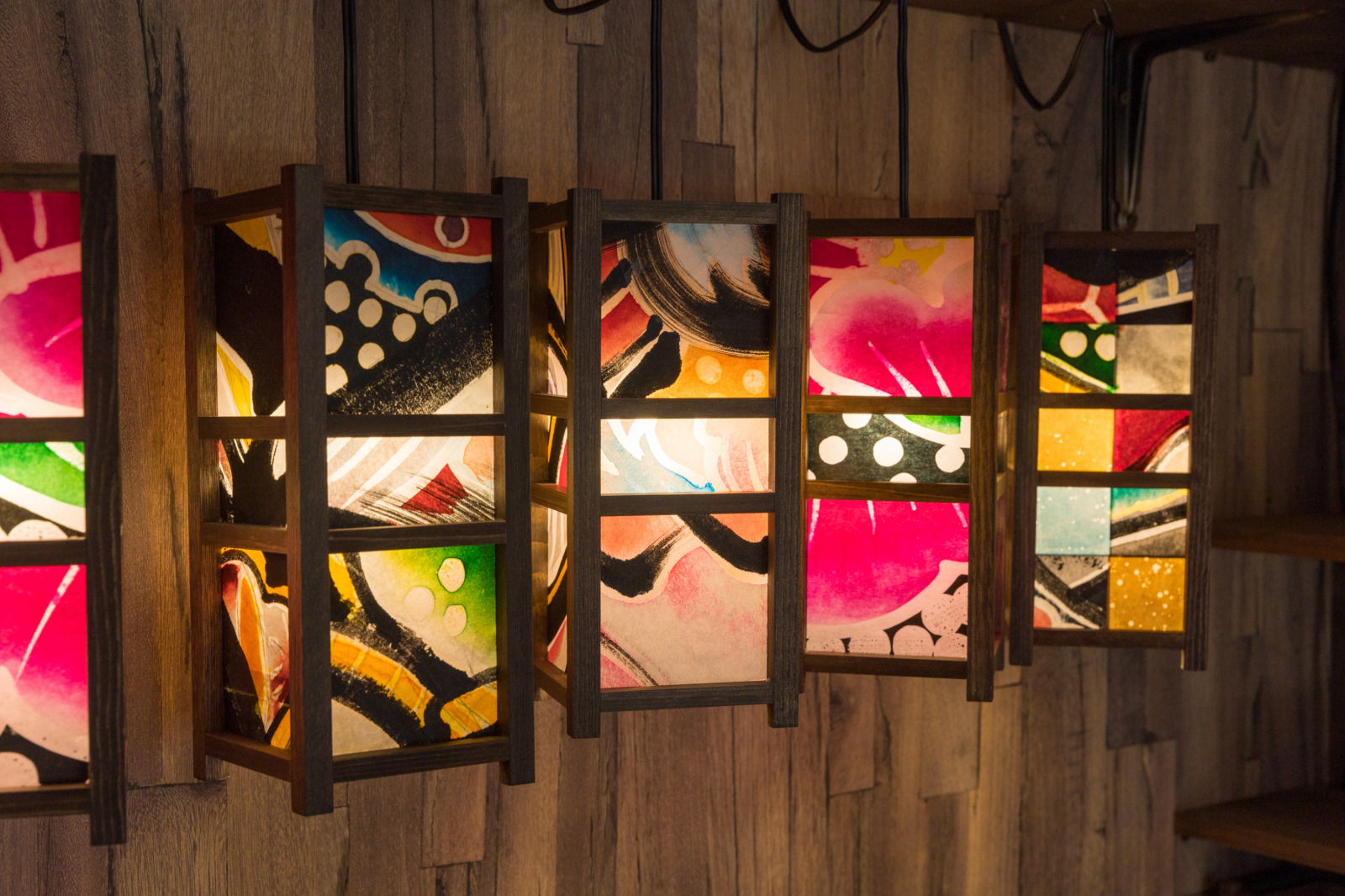
The Kuroishi Neputa Festival is one of Aomori Prefecture’s spectacular summer festivals in which colorful, lantern-like decorated floats (neputa) are paraded through the town. Located along the picturesque and historic Nakamachi Komise shopping street in Kuroishi City, Handmade Workshop IRODORI not only sells but also offers crafting experiences to make Japanese lanterns upcycling Neputa paintings from floats that were actually used in this festival.
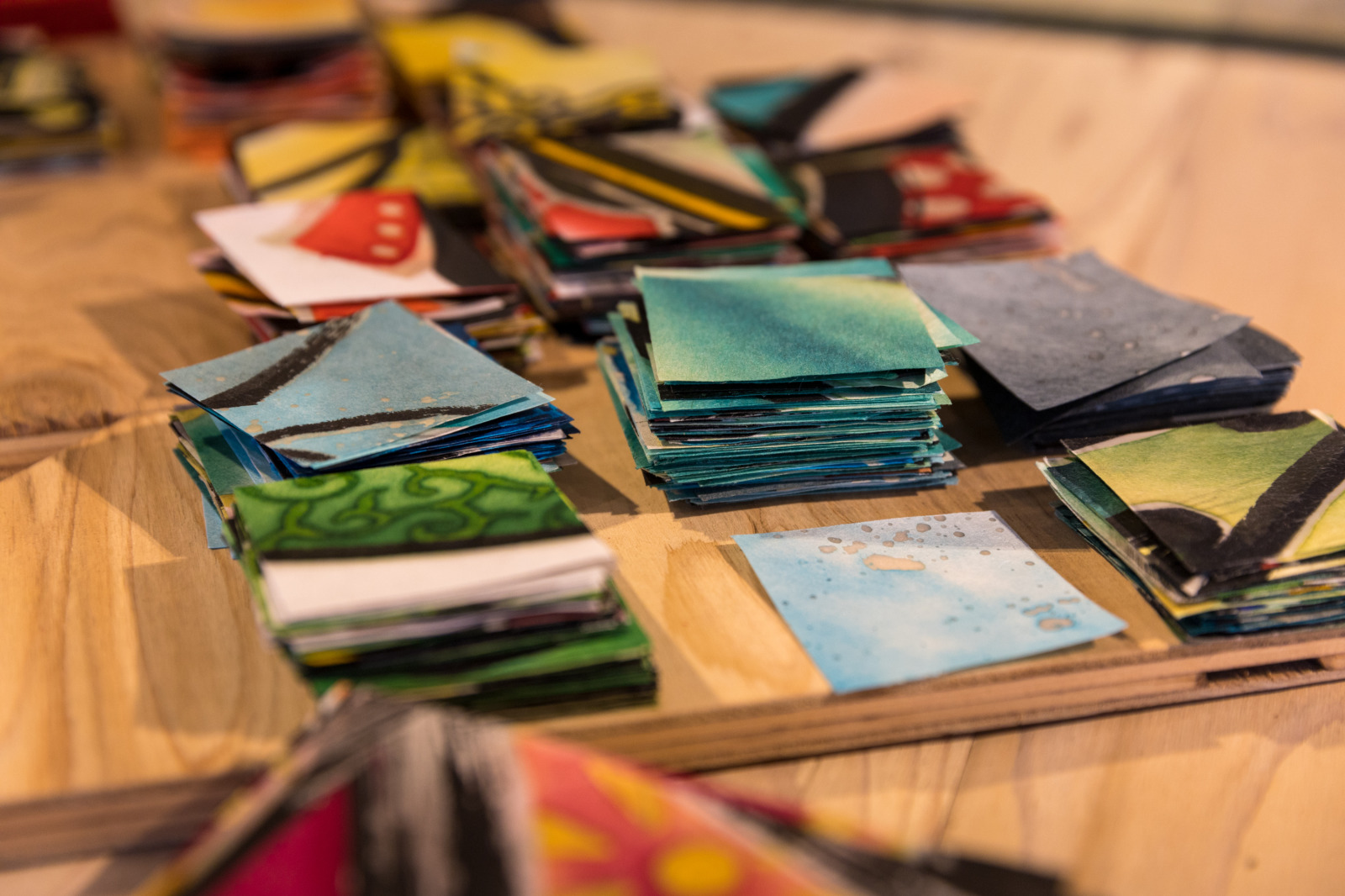
In the lantern-making experience, participants choose their favorites from among colorful square parts cut out from massive Neputa paintings and join them together. The traditional colors and designs of the Neputa paintings make each lantern highly unique. There are four sizes available, with the cost of the experience and the time it takes to complete the lantern depending on which size you choose. All the lanterns come with an LED light, so they’re ready to use as soon as you bring them home! You’ll definitely love this craft-making experience that breathes new life into stunning Neputa floats.
Bunaco Woodware (Nishimeya Village)
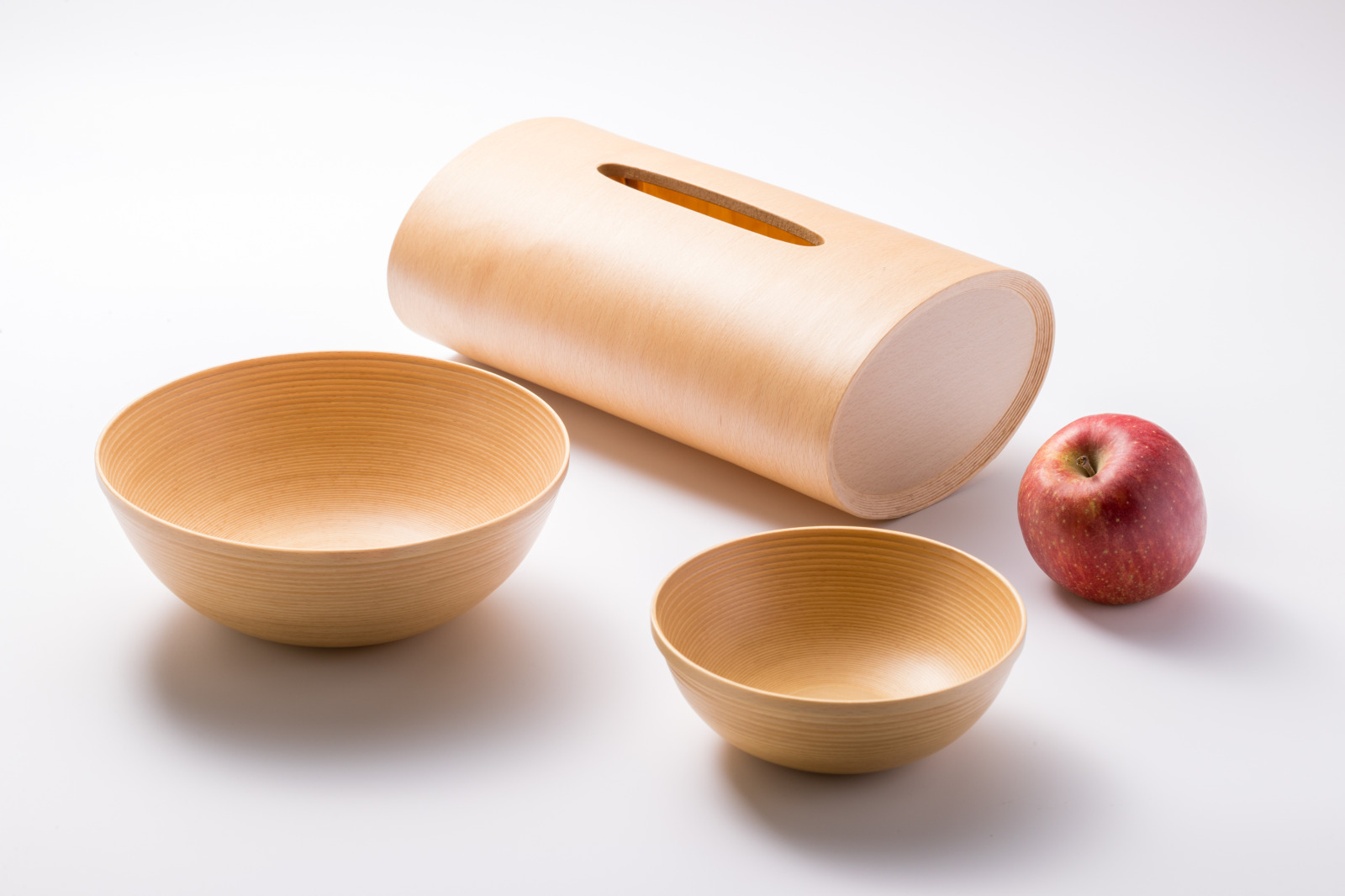
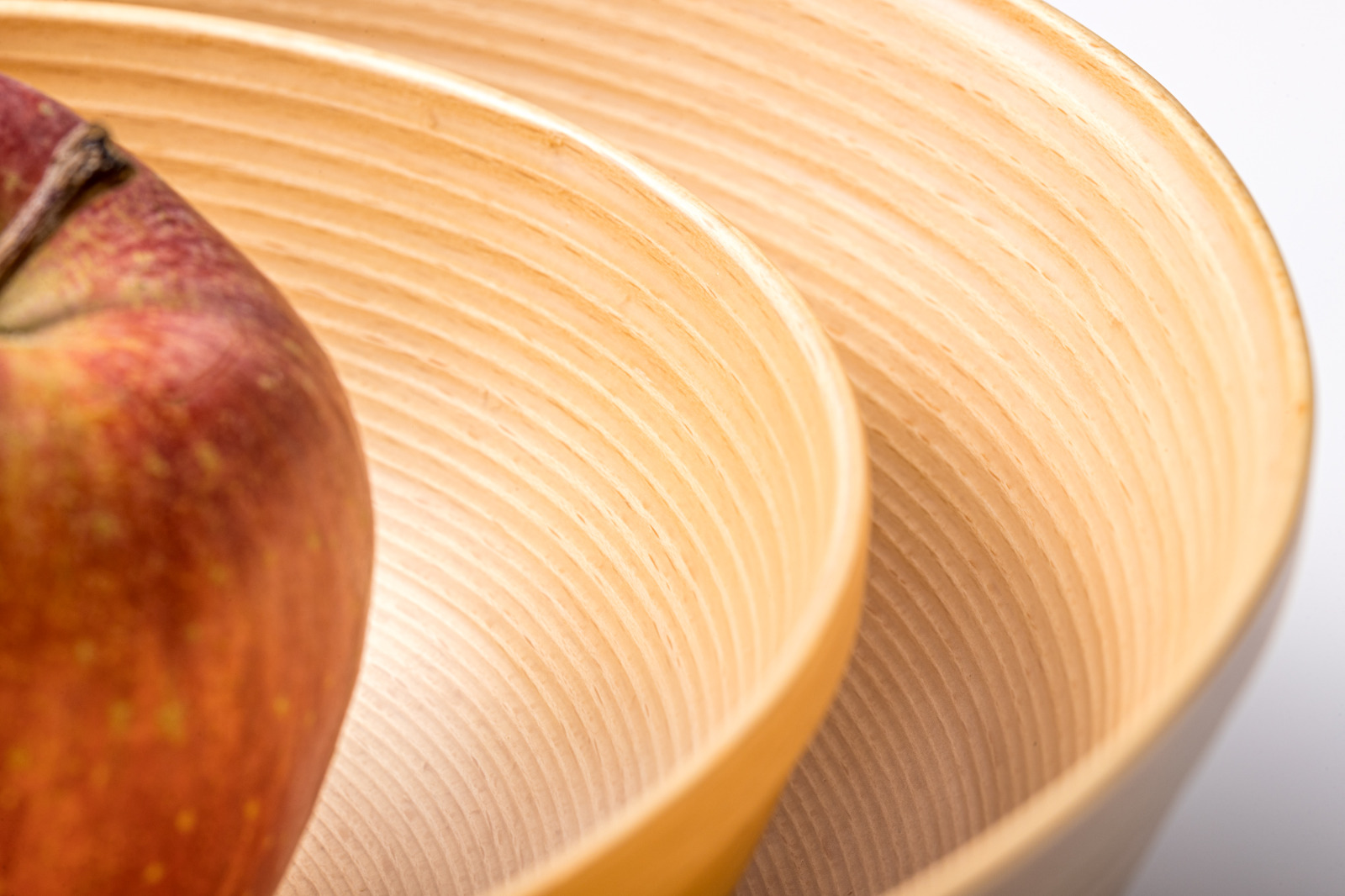
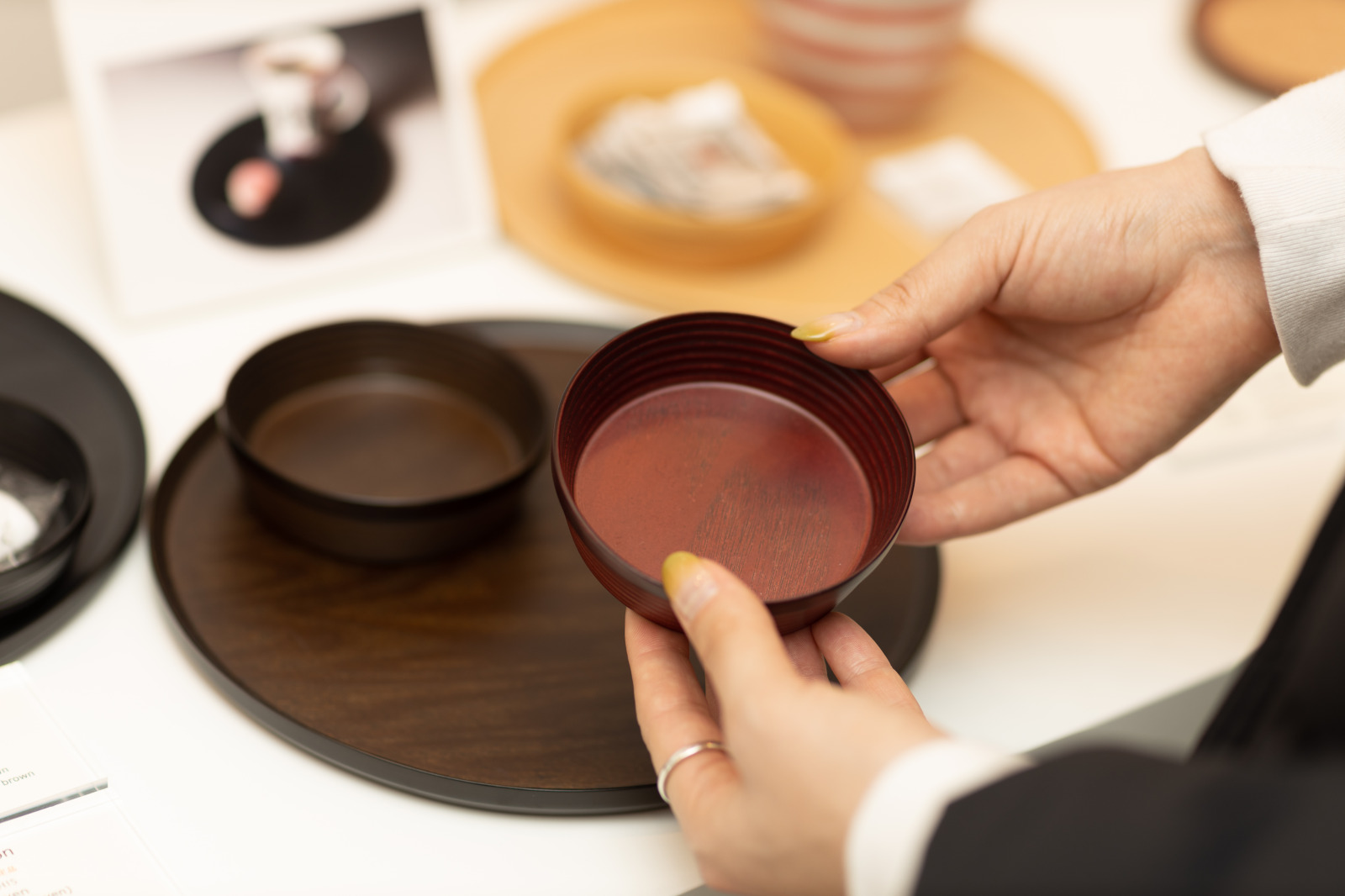
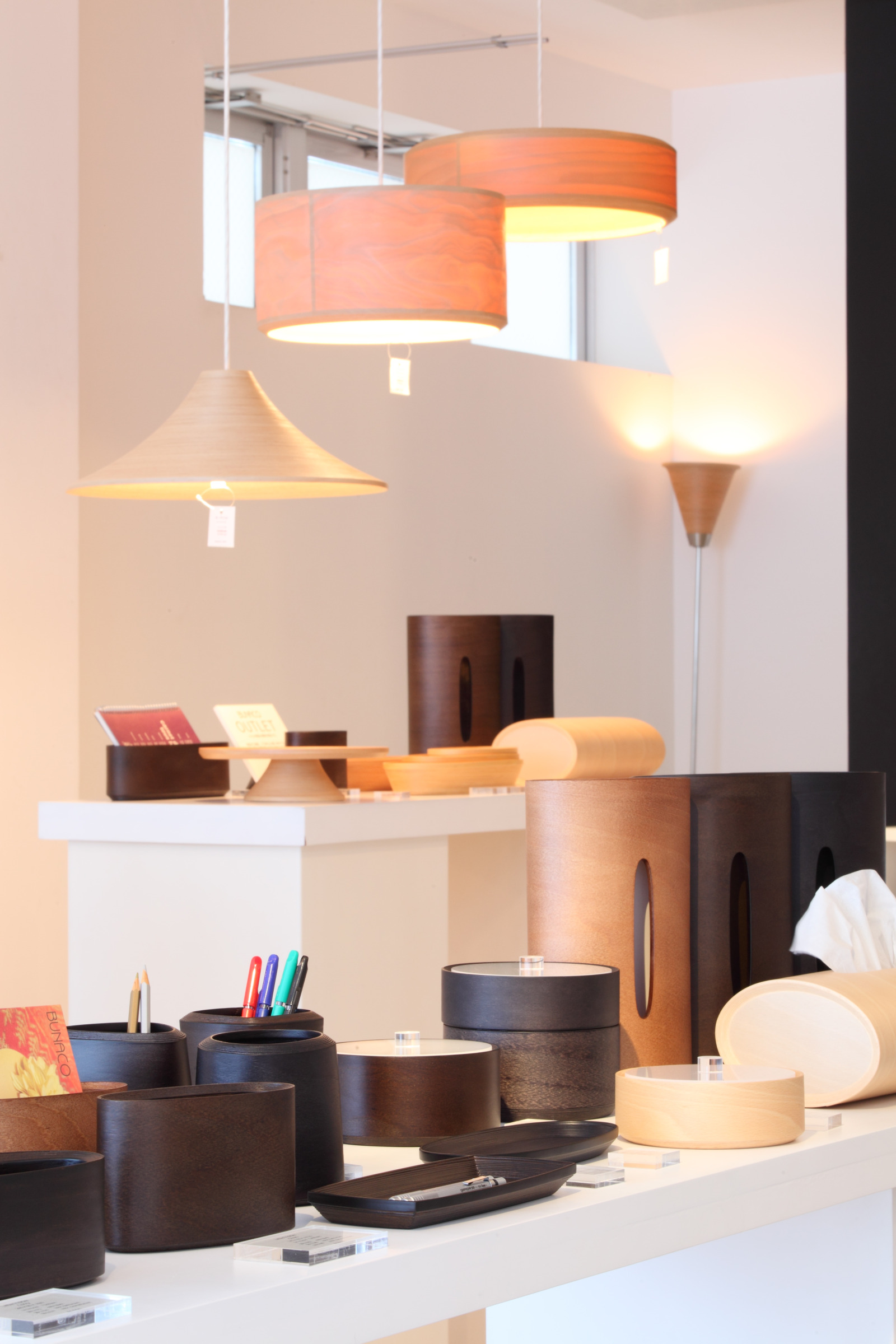
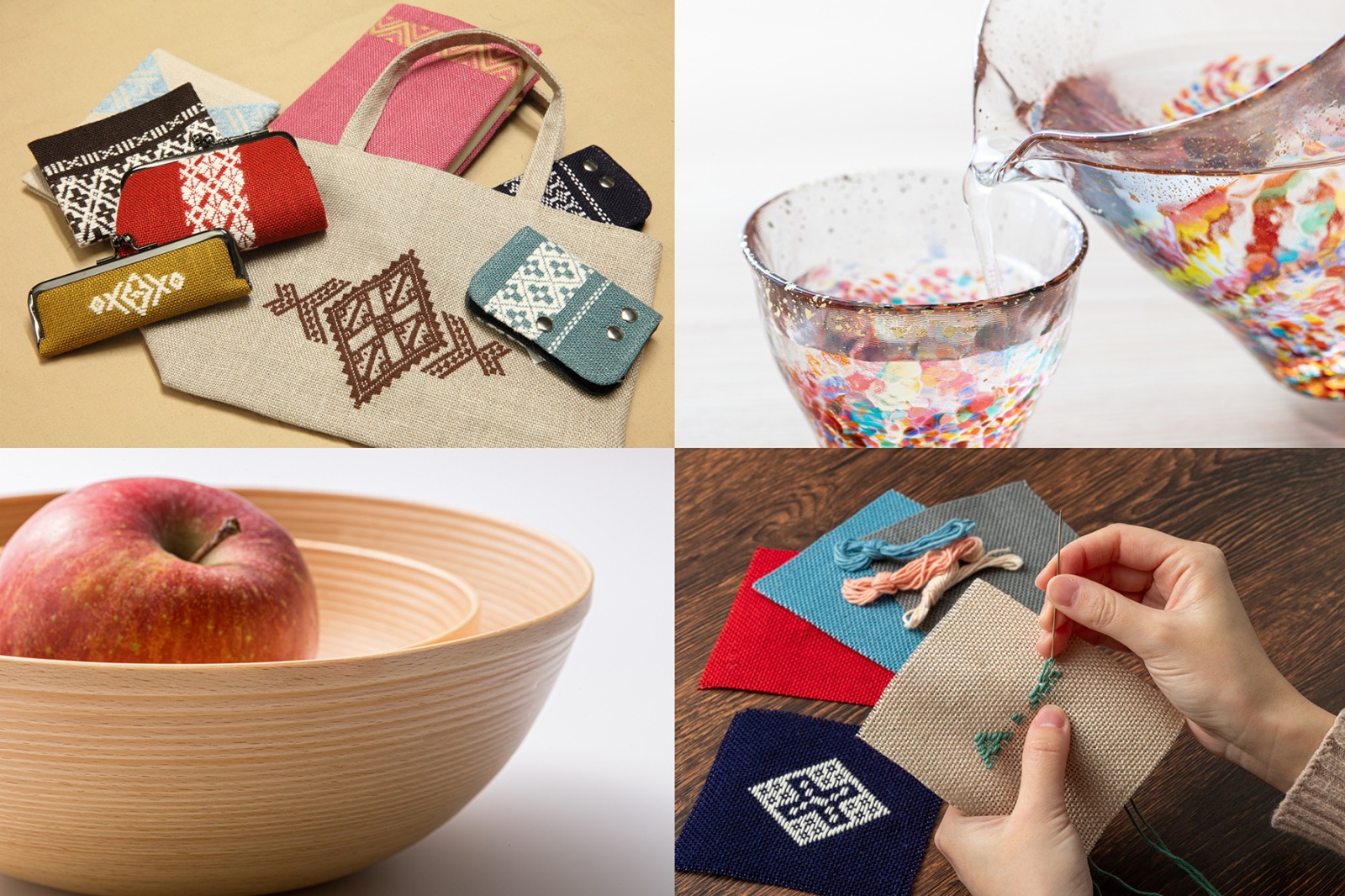
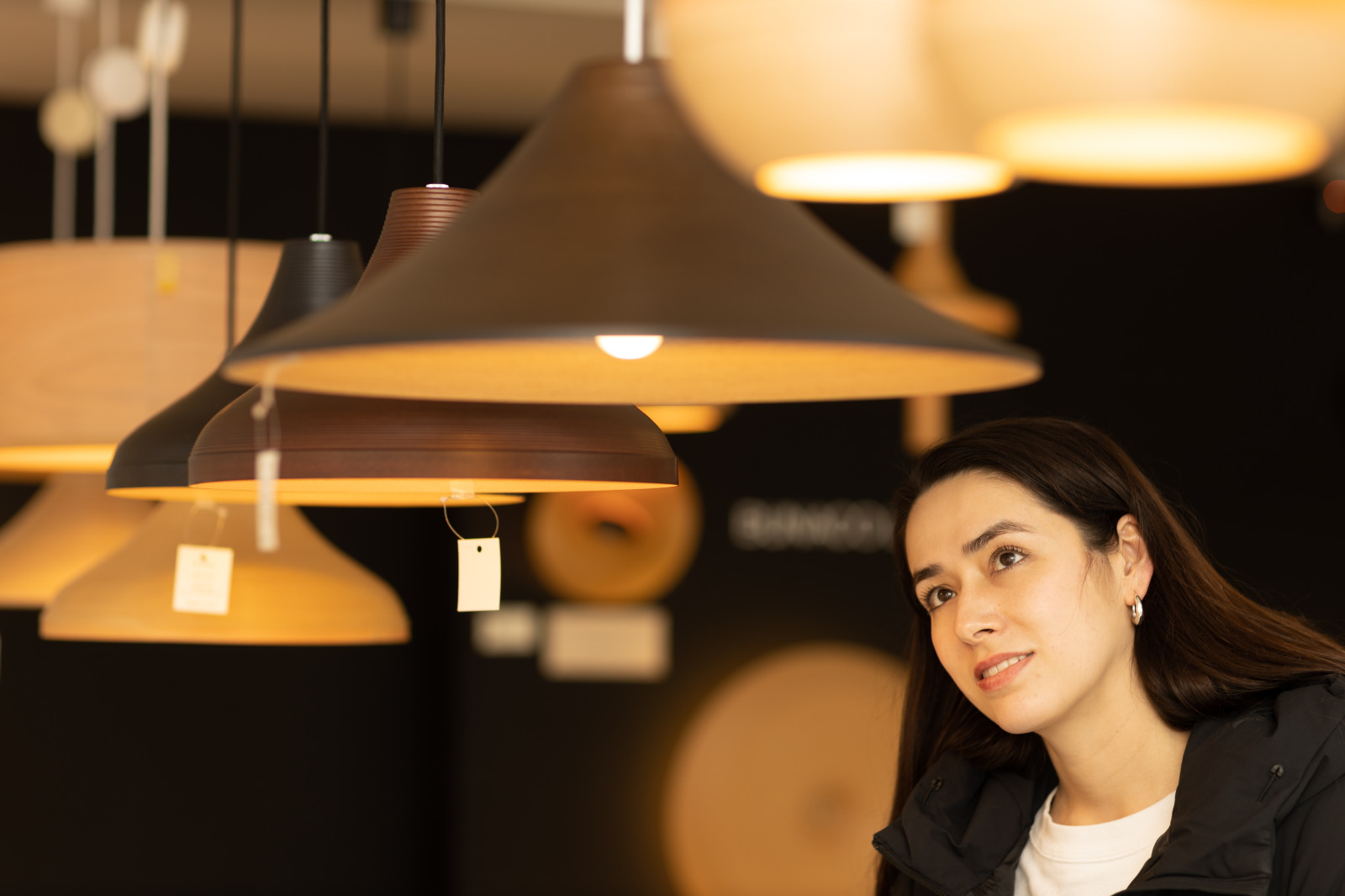
“Bunaco” crafts are made from the wood of the beech tree, which is called buna in Japanese and grows abundantly in the forests of Aomori. Despite its flexibility and strength, beech wood was formerly considered unsuitable for woodworking due to its tendency to warp, but a special technique was developed in Aomori in which it is cut into strips as thin as just one millimeter, which are then rolled and slid a little at a time into coil-based shapes. This technique reduces cracking and distortion while making the most of the beautiful texture of beech wood. It also generates almost no waste compared to conventional woodworking techniques, making it an environmentally friendly production method. Bunaco products such as bowls and utensils, tissue boxes, lamps, and even wooden speakers bring the unique warmth of wood into everyday life.
Bunaco Nishimeya Factory in Nishimeya Village offers crafting workshops in which participants can make their own Bunaco-style bowl or lampshade by hand. Items are generally shipped about a month later to allow time for the finishing process, but for those who don’t want to wait, the “mini” crafting workshop allows you to experience just the molding and gluing steps and bring your bowl home on the same day. (Since it does not have a finishing coat, it cannot be used to hold food but can be used as a container for accessories, etc.) Prices vary based on the item made and type of workshop, so check the list of plans on the English website for details. Instructors only speak Japanese but can provide English guidance using handouts, videos, and translation tools.
Kogin-zashi Embroidery (Hirosaki City)
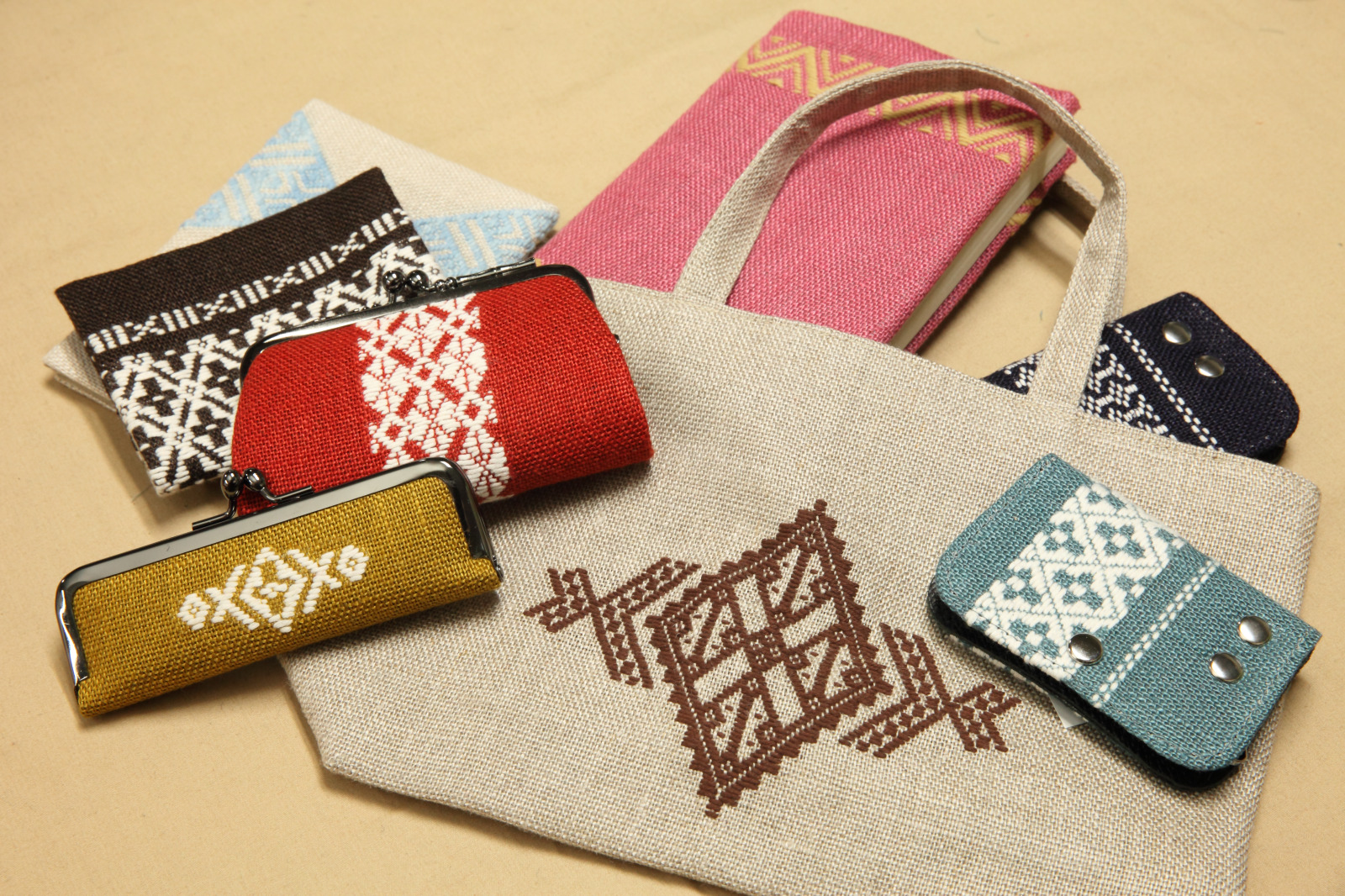
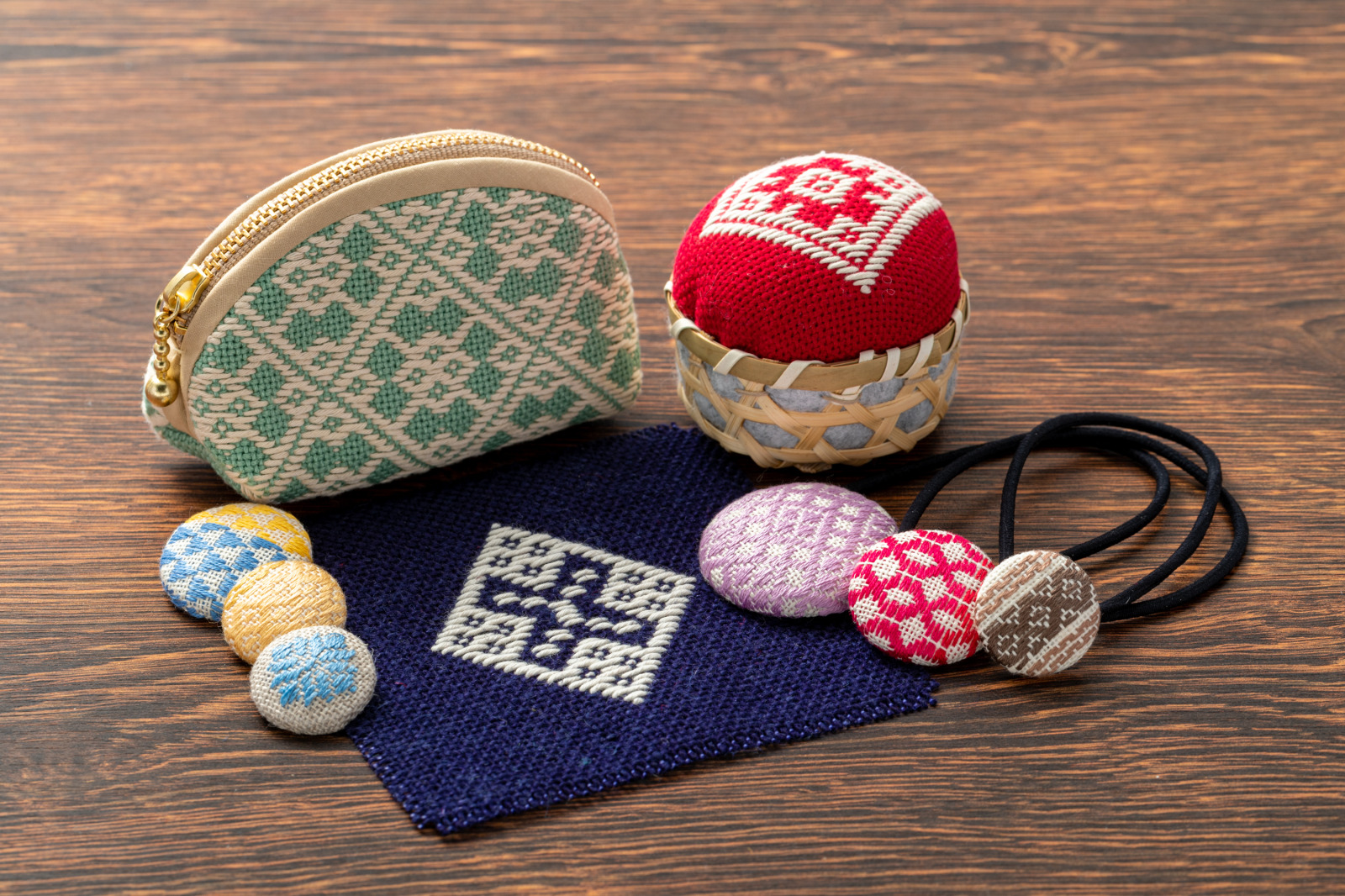
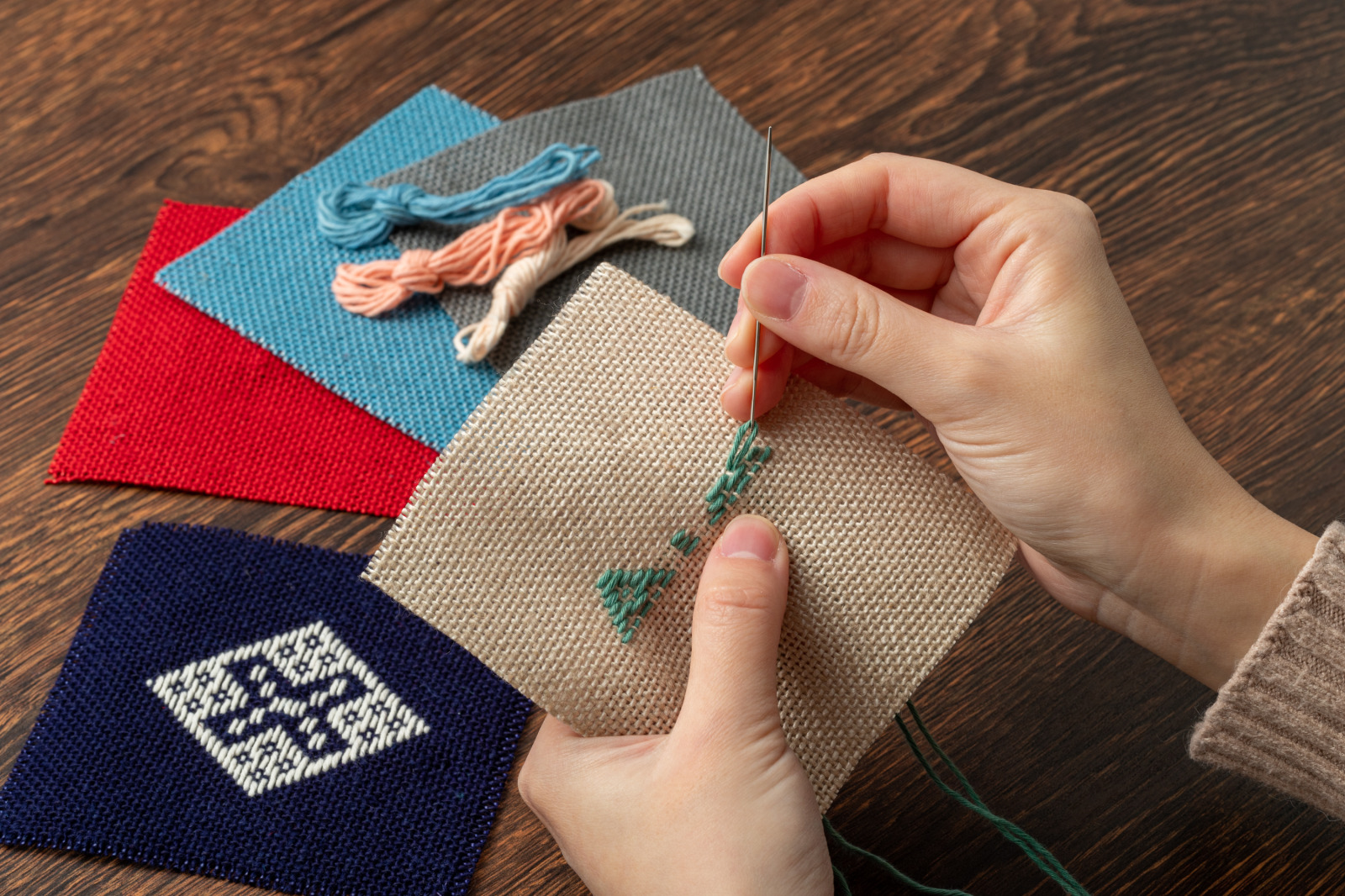
Kogin-zashi, a type of sashiko or traditional Japanese reinforced stitching technique, originated during feudal times in the Tsugaru region. During the frigid winters, peasants took to stitching cotton threads into their coarse linen work clothes, known as kogin, in order to reinforce the loose weave of the fabric and trap air inside, providing insulation against the harsh cold. Over time, Kogin-zashi developed into a decorative art with intricate geometric patterns such as cat’s eyes, flowers, cows, and fish scales that show connections to everyday life and nature in the Tsugaru region.
The Hirosaki Kogin Institute in Hirosaki City is an organization dedicated to the preservation of and research into Kogin-zashi. In addition to observing artisans at work and checking out a selection of goods such as buttons, handbags, and book covers, groups who reserve a class can try stitching their own Kogin-zashi coaster. Classes are offered for group sizes of five or more and cost 3,000 yen per participant, with an estimated time of about two hours. (Participants who cannot speak or understand Japanese must be accompanied by an interpreter.)
Nambu Sakiori Weaving (Hachinohe City and Towada City)
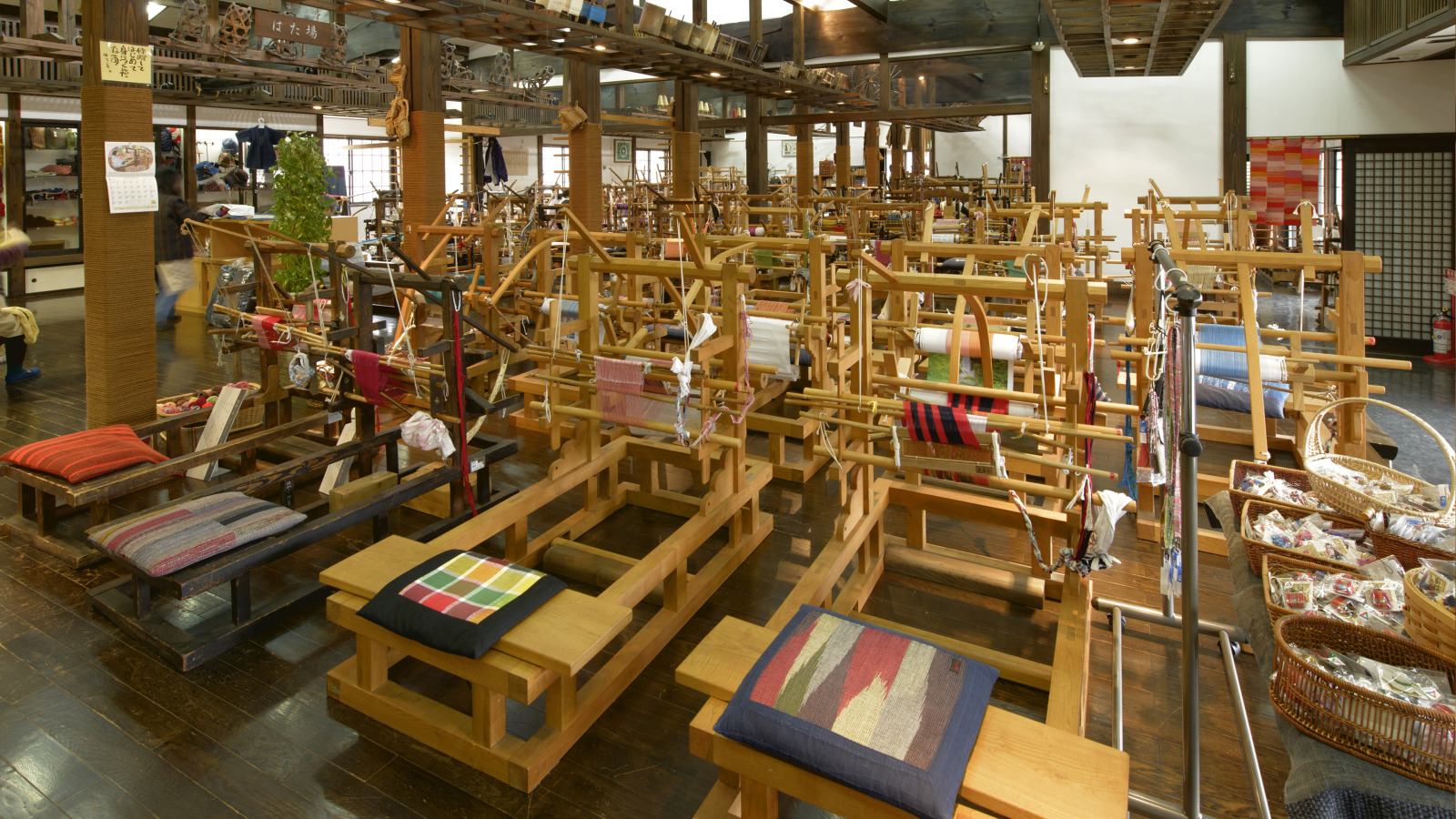
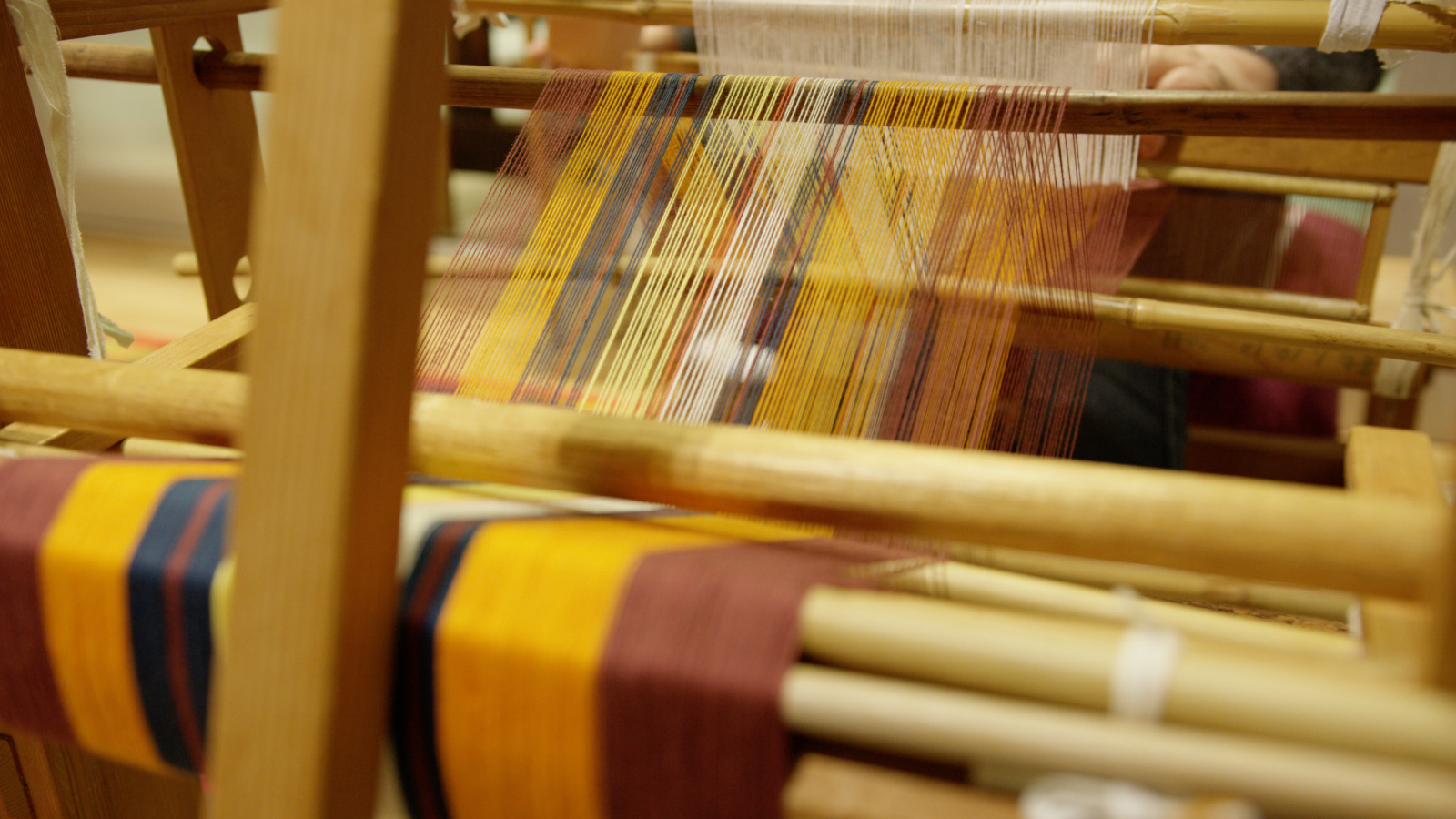
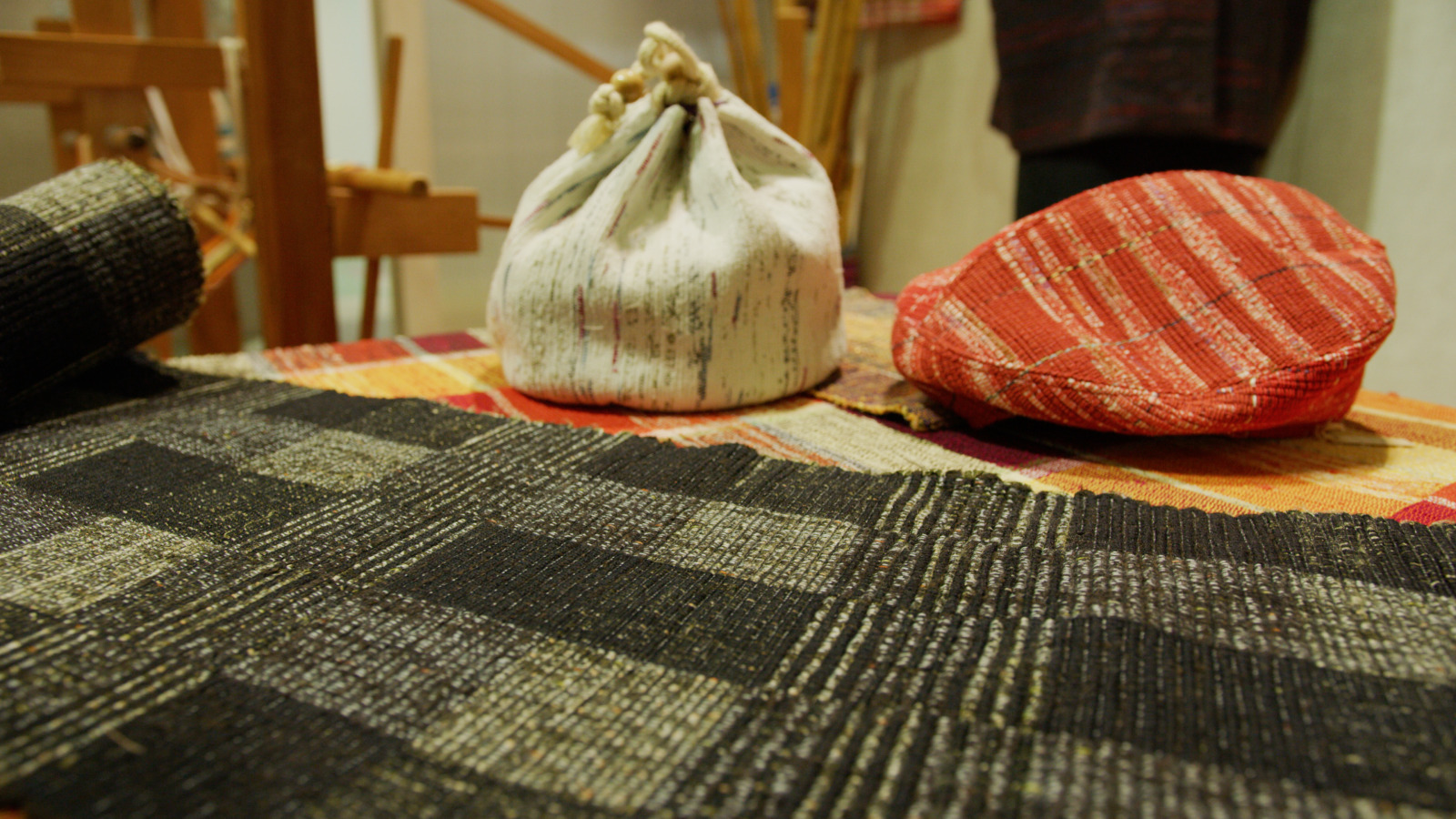
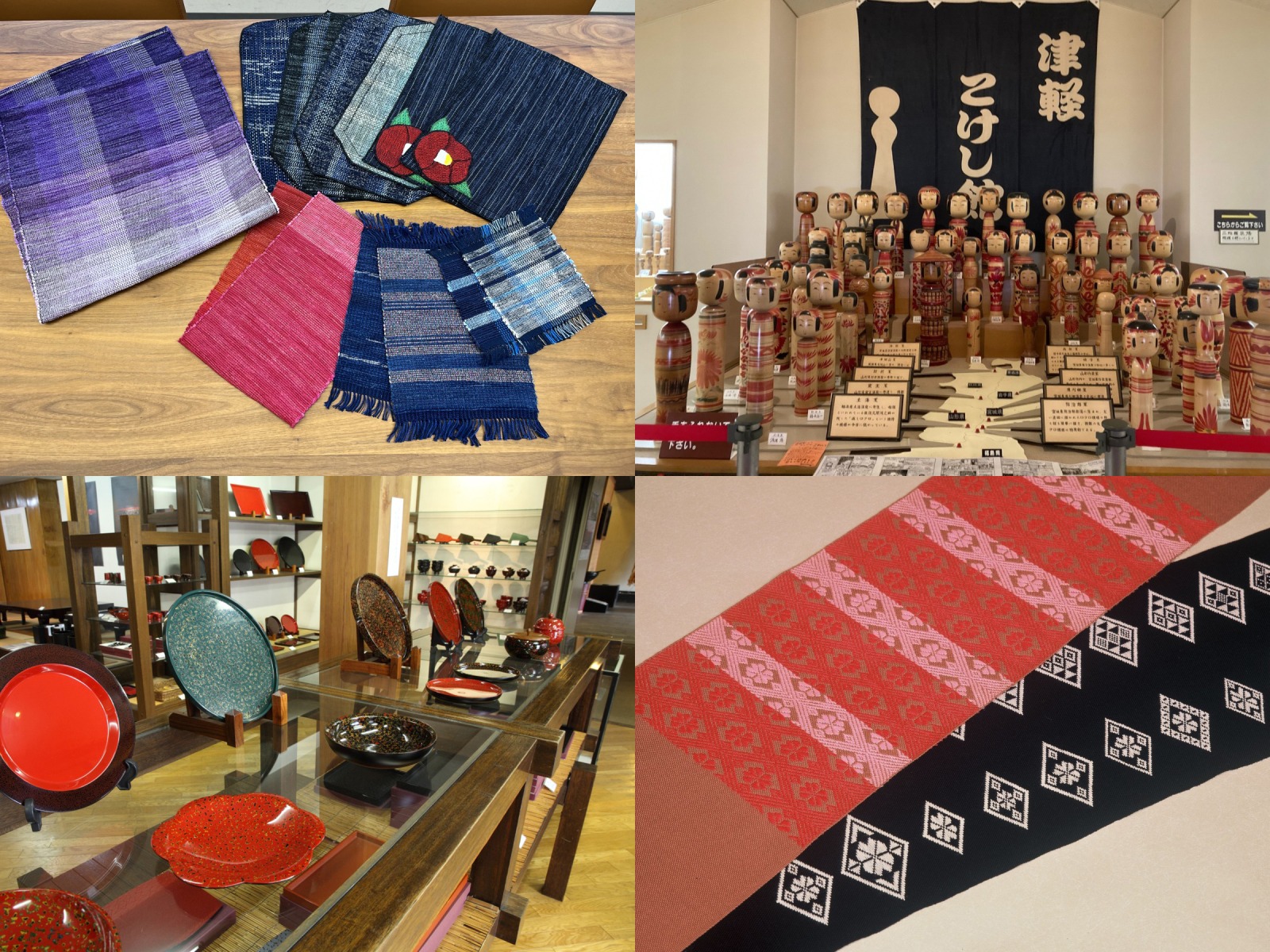
Nambu Sakiori is a traditional “rag-weaving” technique devised by the thrifty people of the Nambu region to conserve fabric, a precious resource. Old rags and worn-out kimonos are finely torn apart into strips, which are then used as woof (crosswise) threads for weaving. Cotton threads in four colors are used as warp (vertical) threads, resulting in colorful textiles with a homey feel. Nowadays, this technique is featured in a variety of products like handbags, pouches, and slippers.
At the regional industry promotion center “Youtree” (VISIT Hachinohe) directly connected to JR Hachinohe Station, visitors can try making their very own Nambu Sakiori vase mat. The experience takes about two hours and costs 1,500 yen, including the cost of materials (prior reservation required; instruction in Japanese only).
Meanwhile, the Society for Preserving Nambu Sakiori in Towada City is an organization dedicated to preserving the traditional local craft of Nambu Sakiori and passing it down to future generations. Located on the premises of Road Station Towadapia, it offers opportunities for visitors to experience the fun of Nambu Sakiori weaving on a traditional loom. In the basic course, you can choose threads in your favorite colors from among materials provided by the organization, which utilize old futons and kimonos. Then, an instructor will show you how to use the loom as you weave your own Nambu Sakiori placemat. Alternatively, you can bring in your own used cloth and upcycle it into a one-of-a-kind placemat (weaving a placemat costs 2,500 yen in either case). For repeat visitors, there is also an all-day, all-you-can-weave course using your own materials or ones provided by the organization. A prior reservation is required for all courses. Instructors use only Japanese and body language but are friendly and accustomed to foreign visitors, so you don’t have to worry about the language barrier. You can find more details on the organization’s English reservation page here.
“Nokkedon” Seafood Rice Bowls (Aomori City)
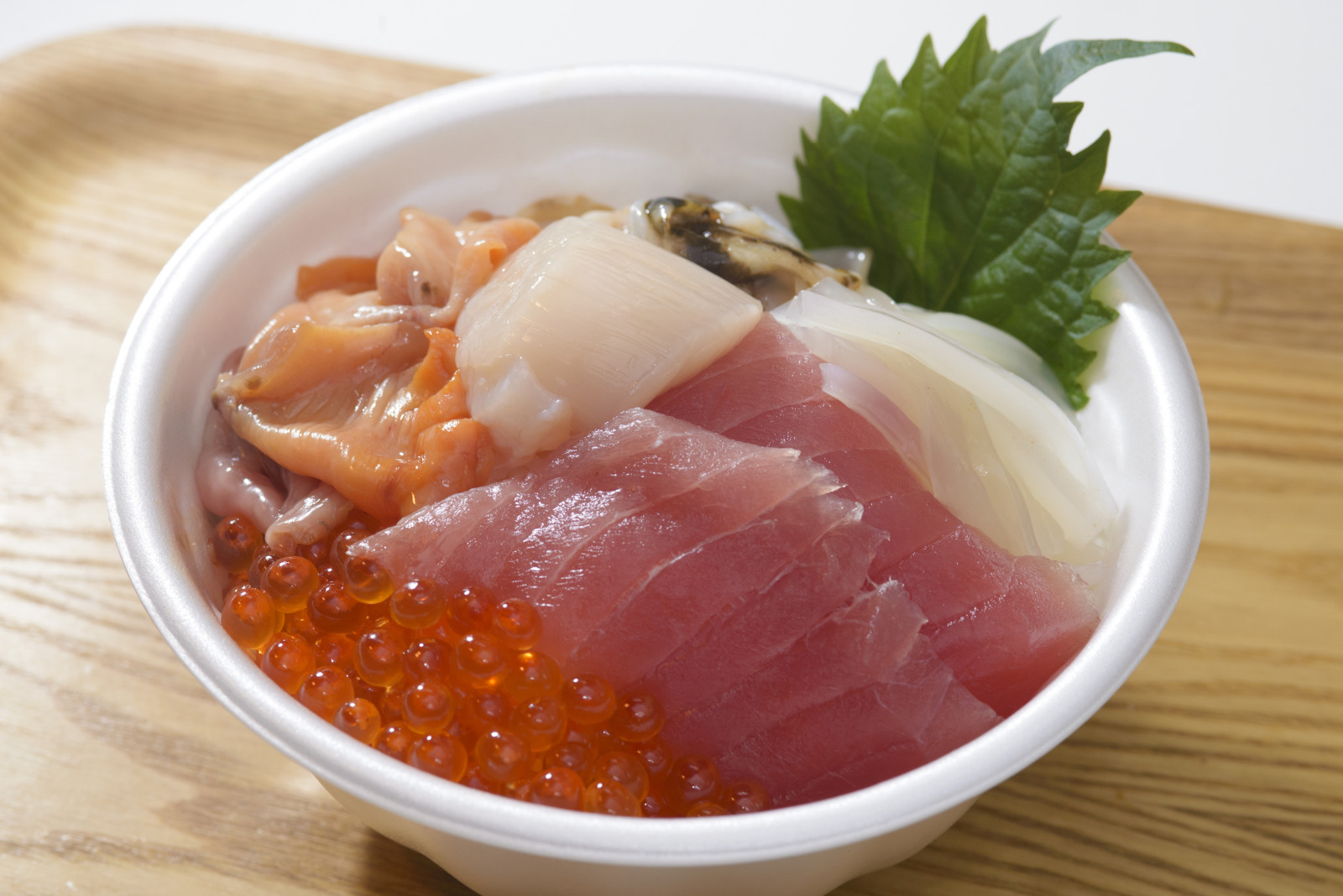
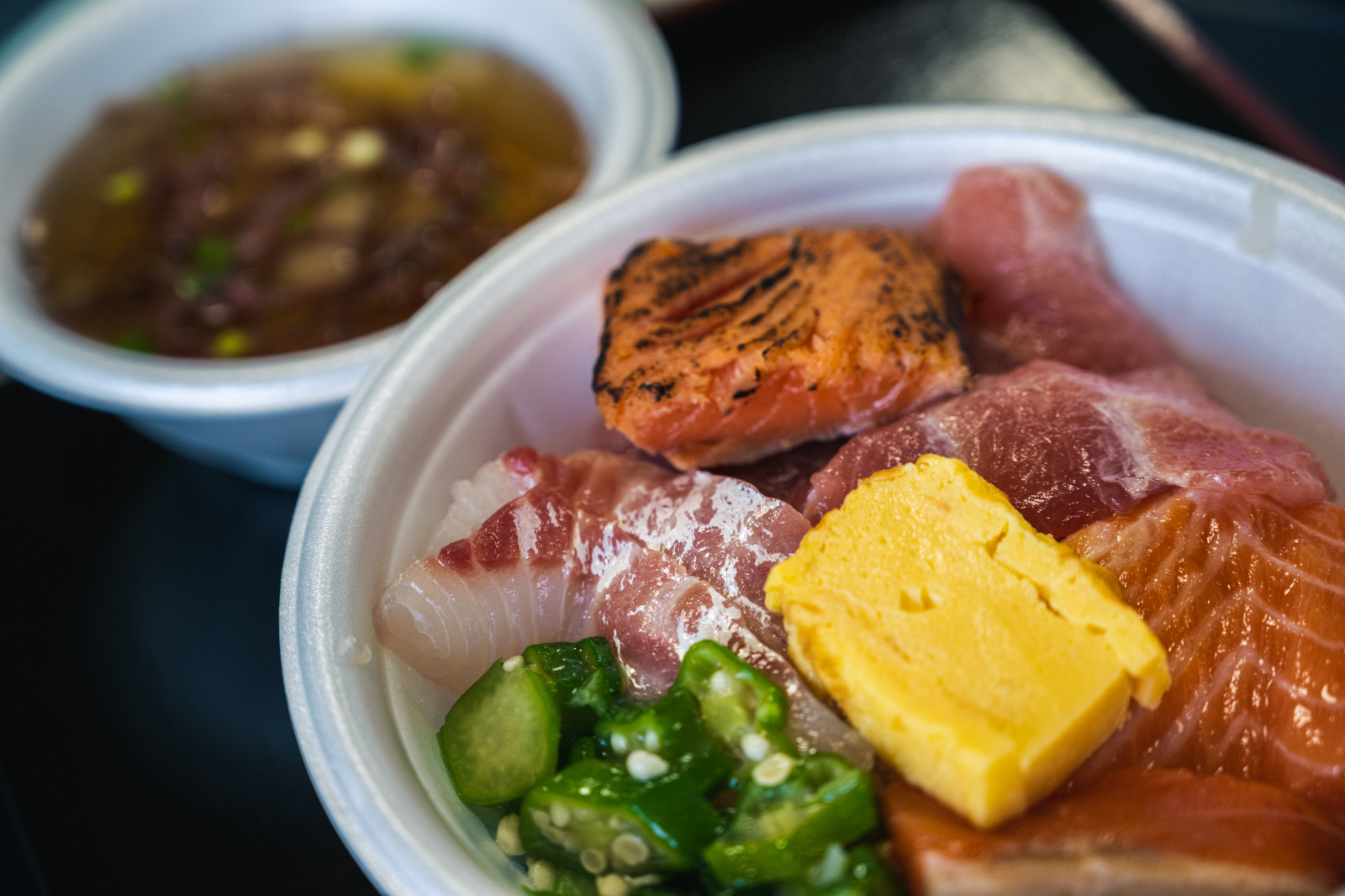
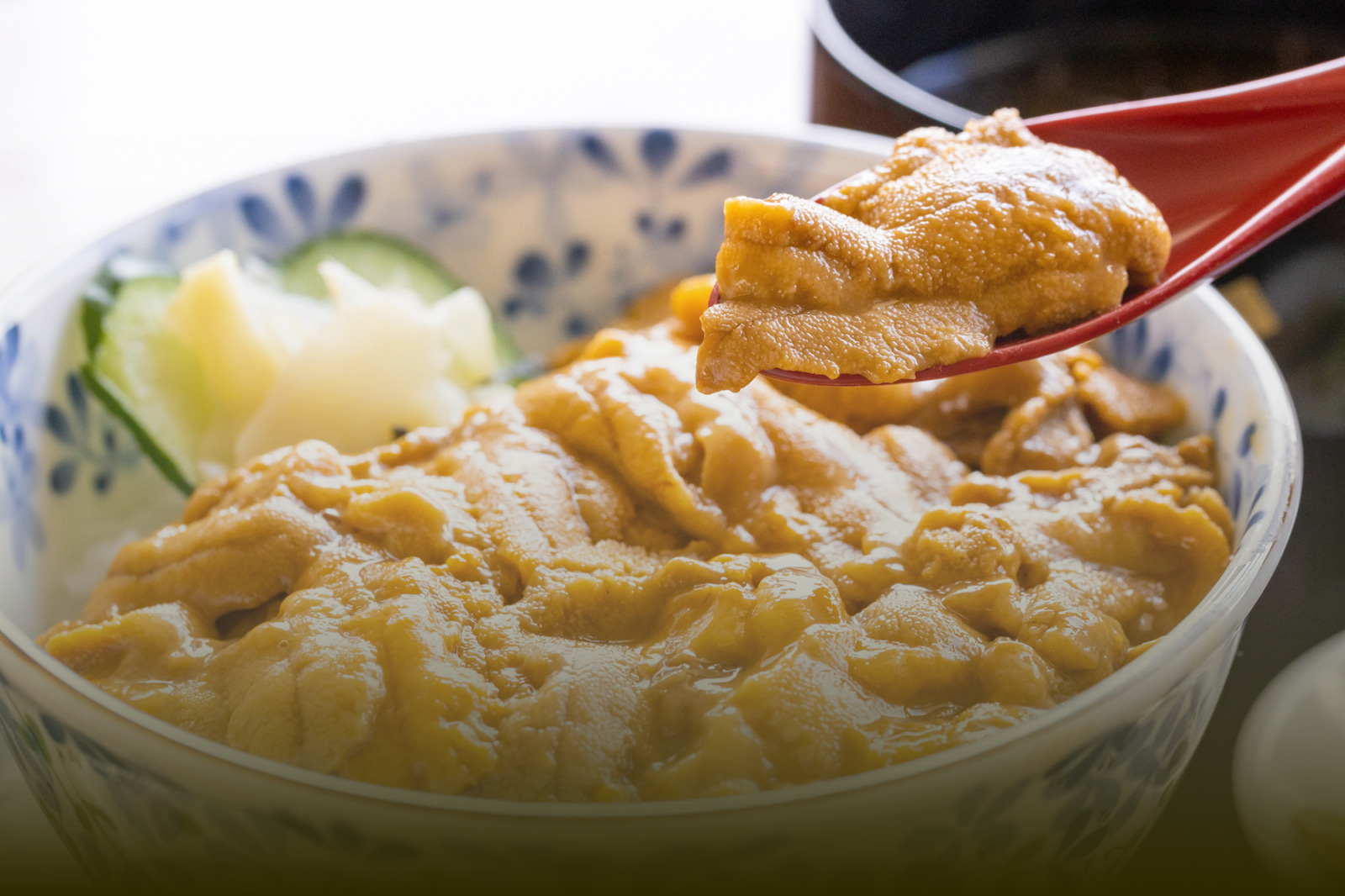
Want to “make your own” Japanese delicacy without any cooking skills required? This “build-your-own” seafood rice bowl available at Aomori Gyosai Center (Furukawa Market) in Aomori City is the perfect choice! After purchasing a set of tickets (2,200 yen for a dozen) at the main counter near the entrance, you can exchange them for a bowl of steaming-hot Aomori-grown rice and a variety of fresh sashimi as well as miso soup and other side dishes at the dozens of stalls that fill the market. Have fun customizing your seafood rice bowl with fatty cuts of tuna and salmon, huge scallops, and delicacies such as salmon roe and sea urchin (the specific types of freshly caught seafood available depend on what’s in season). Once your creation is complete, you can sit down and enjoy it in the various dining areas of the market.
Don’t forget to take some pictures for social media first, though! After all, your customized delicacy is a work of pride.
We hope a hands-on experience will make your Aomori trip even more fun and memorable!
*Note that the prices indicated in this article were current as of the time of writing, and all experiences except the “Nokkedon” seafood rice bowl require a prior reservation.